
A slipping transmission occurs when your vehicle’s gears fail to engage properly, causing a loss of power transfer from the engine to the wheels. Common transmission slipping signs include delayed acceleration, sudden RPM spikes without speed increases, strange burning smells, and difficulty shifting between gears. Continuing to drive with a slipping transmission can cause complete transmission failure, leave you stranded in dangerous locations, and result in repair bills that exceed the vehicle’s value.
Why Transmissions Fail Without Warning
Transmission systems operate under extreme pressure and temperature conditions. The average automatic transmission contains over 800 individual components working in precise coordination. When fluid levels drop below the minimum threshold, internal clutches and bands lose hydraulic pressure. Metal components grind against each other without proper lubrication, generating metal shavings that circulate through the system and accelerate wear.
Most drivers miss the early warning signs because symptoms appear gradually. A slight hesitation when accelerating from a stop sign might seem minor, but it signals that internal clutch packs are already degrading. By the time you notice obvious slipping between gears, significant internal damage has already occurred.
Delayed Engagement When Shifting Into Drive
One of the earliest indicators appears when you shift from park into drive or reverse. A healthy transmission engages within one to two seconds. If you experience a delay of three seconds or longer before the vehicle begins to move, your transmission is struggling to build adequate hydraulic pressure. This delay often worsens in cold weather when transmission fluid becomes thicker and flows more slowly through the system.
Some drivers attempt to compensate by revving the engine before shifting, but this practice actually increases stress on weakened clutch packs. The sudden application of high torque to already-damaged components accelerates failure.
RPM Spikes Without Corresponding Acceleration
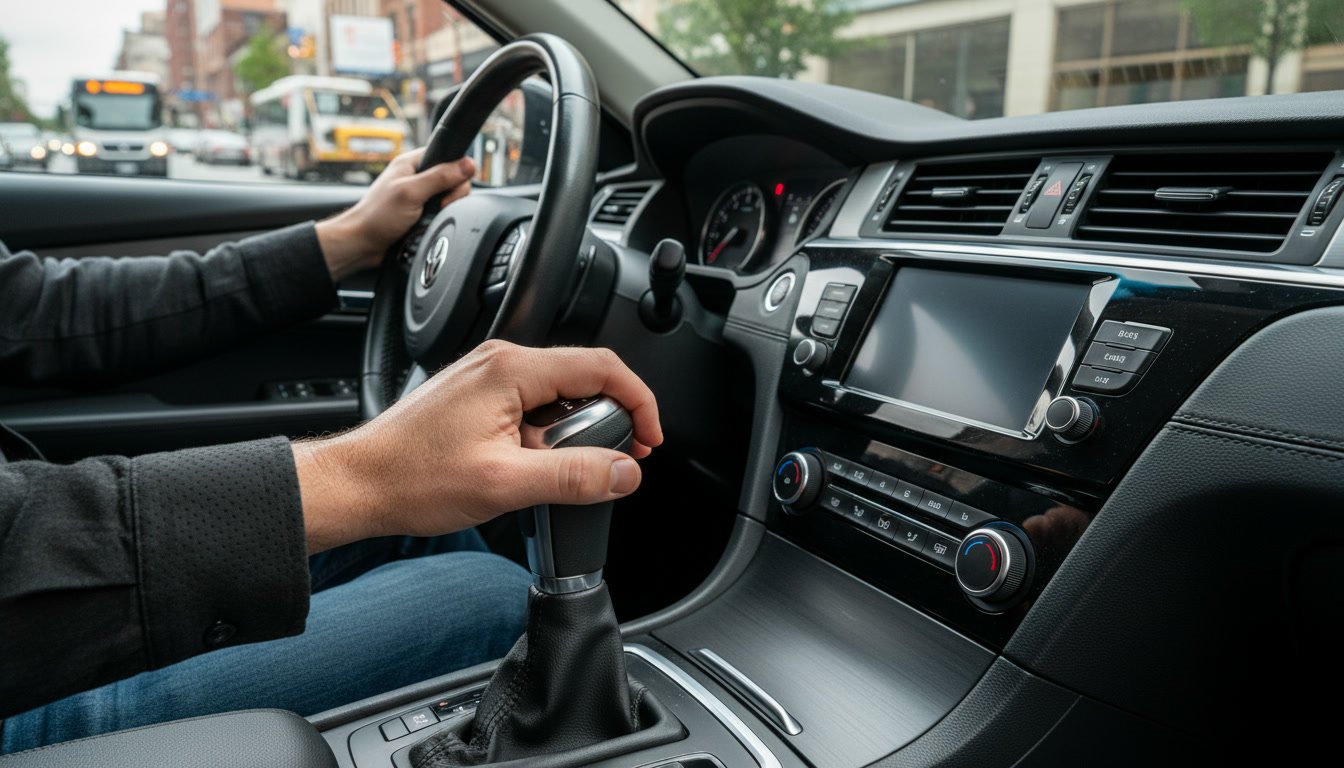
When your tachometer shows a sudden jump in engine RPMs but your vehicle speed remains constant or increases slowly, your transmission is slipping between gears. This condition mimics the feeling of a manual transmission with a worn clutch. The engine revs freely because power is not being transferred efficiently to the wheels.
This symptom becomes most noticeable during highway merging or when climbing hills. You press the accelerator expecting smooth acceleration, but instead the engine races while the vehicle barely responds. Each instance of slipping generates excessive heat that degrades remaining friction material and transmission fluid.
Burning Smell From Overheated Transmission Fluid
Transmission fluid serves three critical functions: lubrication, hydraulic pressure, and heat transfer. When a transmission slips, friction creates temperatures exceeding 300 degrees Fahrenheit. At these temperatures, transmission fluid breaks down chemically, losing its lubricating properties and producing a distinct burning odor similar to burnt toast or rubber.
If you detect this smell, pull over immediately and check your transmission fluid level and color. Healthy fluid appears bright red or pink. Dark brown or black fluid indicates severe overheating and contamination. At this stage, driving further risks complete transmission seizure, which can lock your wheels without warning and create a dangerous loss of control.
Grinding or Shaking During Gear Changes
Automatic transmissions should shift smoothly without noticeable vibration or noise. Grinding sounds during shifts indicate that gear teeth are not meshing properly due to worn synchronizers or damaged planetary gear sets. A shuddering sensation, particularly when shifting from first to second gear, suggests that clutch packs are slipping and grabbing repeatedly rather than engaging cleanly.
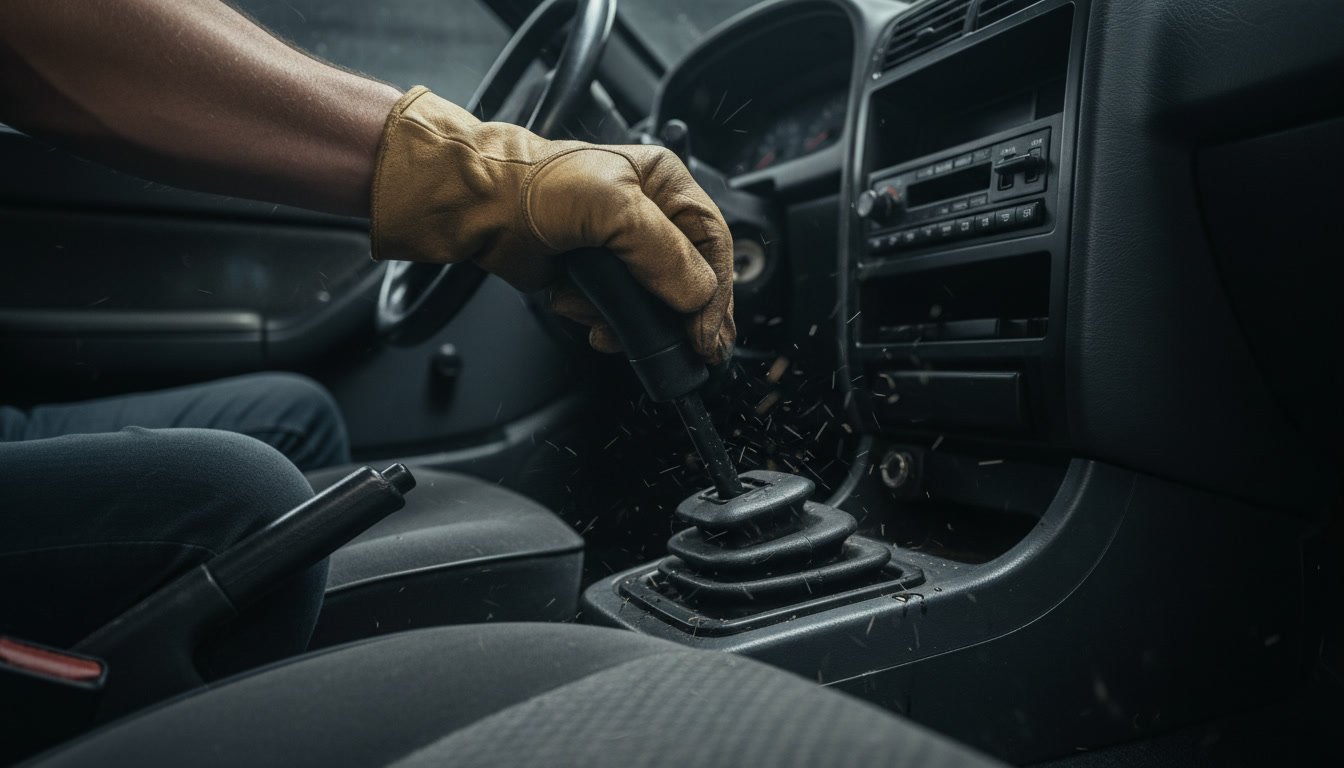
Manual transmissions exhibit different symptoms. Difficulty moving the shifter between gears or a grinding noise when shifting even with the clutch fully depressed points to synchronizer failure or clutch system problems. Both scenarios require immediate professional evaluation.
Transmission Warning Light and Error Codes in Seattle
Modern vehicles equipped with electronic transmission controls monitor dozens of parameters including fluid temperature, pressure, shift timing, and clutch engagement. When the transmission control module detects abnormal patterns, it illuminates the check engine light or a dedicated transmission warning symbol.
These systems record diagnostic trouble codes that identify specific problems. Common codes related to slipping include P0730 (incorrect gear ratio), P0741 (torque converter clutch circuit), and P0868 (low transmission fluid pressure). While these codes help technicians diagnose issues, they also confirm that continuing to drive risks catastrophic failure.
Professional roadside assistance teams can scan these codes on-site and advise whether the vehicle can be safely driven a short distance or requires immediate towing to prevent further damage.
Fluid Leaks Creating Low Pressure Conditions
Automatic transmissions require precise fluid levels to maintain hydraulic pressure. A loss of just one quart can cause slipping in higher gears. Common leak points include the transmission pan gasket, input and output shaft seals, cooler lines, and the torque converter seal.
You can identify transmission fluid leaks by checking under your vehicle after it has been parked overnight. Transmission fluid is typically bright red or pink when fresh, though it darkens with age. Leaks located near the front of the transmission often originate from the torque converter seal and require transmission removal to repair.
Drivers sometimes attempt to limp home by repeatedly adding fluid, but this strategy fails once internal damage begins. Slipping clutches generate metal particles that clog filters and valves, preventing proper fluid circulation even when levels are correct. Similar to situations requiring emergency towing services, transmission failure demands immediate professional intervention.
Three Critical Moments to Stop Driving Immediately
First, if your transmission slips out of gear while driving and into neutral without input from you, stop immediately in a safe location. This condition indicates complete loss of hydraulic pressure or mechanical failure of the gear selection mechanism. Attempting to continue risks sudden re-engagement that can shock the drivetrain and cause loss of vehicle control.
Second, when you experience a sudden loss of all gears with the engine running but no movement in any gear selection, your transmission has likely suffered catastrophic internal failure. The pump may have failed, or major components have broken and jammed the gear train.
Third, if you hear loud banging or clunking noises from underneath the vehicle accompanied by loss of power, internal components have likely broken free and are causing secondary damage. Each additional rotation of the damaged transmission spreads metal debris throughout the system, turning a repairable problem into a total loss.

Why Towing Protects Your Vehicle and Wallet
The decision to call for towing instead of attempting to drive home with a slipping transmission saves money in the long term. A transmission operating with damaged clutches generates metal shavings that circulate through the valve body, clogging precision passages and destroying solenoids. What might have been a $1,200 clutch pack replacement becomes a $4,500 complete rebuild once contamination spreads.
Professional towing also protects other drivetrain components. A slipping transmission places abnormal stress on the torque converter, which can fail and send debris into the transmission cooler lines. This debris then flows into the vehicle’s radiator if it uses an integrated transmission cooler, requiring radiator replacement in addition to transmission repairs.
Vehicles with all-wheel-drive systems face additional risks. Pinocchio Towing LLC uses flatbed towing for AWD vehicles to prevent damage to the transfer case and differentials, which can occur if the transmission locks up while being towed with drive wheels on the ground.
How Professional Towing Handles Transmission Failures
Experienced tow operators assess the specific failure mode before loading the vehicle. If the transmission is stuck in park due to a failed shift interlock, technicians use specialized tools to manually release the mechanism without forcing the shifter and causing additional damage.
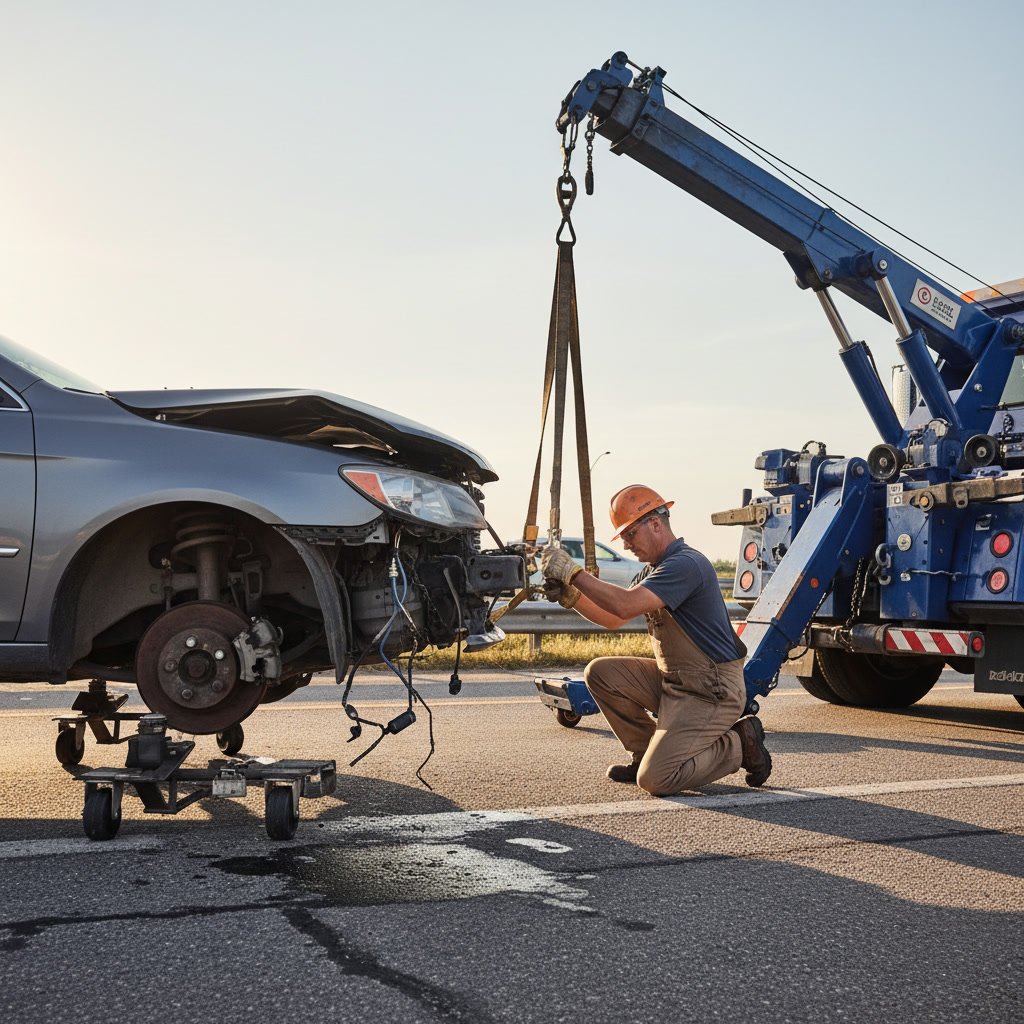
For vehicles that cannot roll due to seized transmission components, tow operators use wheel dollies or skates to position the vehicle onto the flatbed without dragging tires. This approach prevents tire damage and protects the parking brake system from overload.
The towing process also includes securing the vehicle to prevent movement during transport. Proper tie-down procedures account for the fact that a vehicle with transmission failure cannot be placed in park reliably, requiring wheel chocks and additional restraints to ensure safety during highway transport.
Protecting Your Safety and Investment
Transmission problems rarely improve on their own and almost always worsen rapidly once slipping begins. The difference between a $2,000 repair and complete vehicle loss often comes down to the decision to stop driving at the first sign of trouble. Attempting to nurse a failing transmission home puts you at risk of becoming stranded in unsafe locations, blocking traffic, or experiencing sudden mechanical failure at highway speeds.
Professional roadside assistance providers respond quickly to transmission emergencies, bringing the right equipment to safely transport your vehicle regardless of its condition. Services like emergency towing operate around the clock, ensuring you’re never left waiting in vulnerable situations.
Pinocchio Towing LLC has served drivers throughout the Seattle area since 2020, building a reputation for technical expertise and honest service during automotive emergencies. When transmission slipping signs appear in your vehicle, the smartest choice is always to stop driving and arrange for professional towing to your preferred repair facility. The cost of a tow is minimal compared to the expense of replacing an entire transmission that failed catastrophically because you tried to drive just a few more miles. For immediate assistance with transmission problems or any roadside emergency, call +1 206-202-0009 to speak with an experienced operator who can dispatch help to your location.