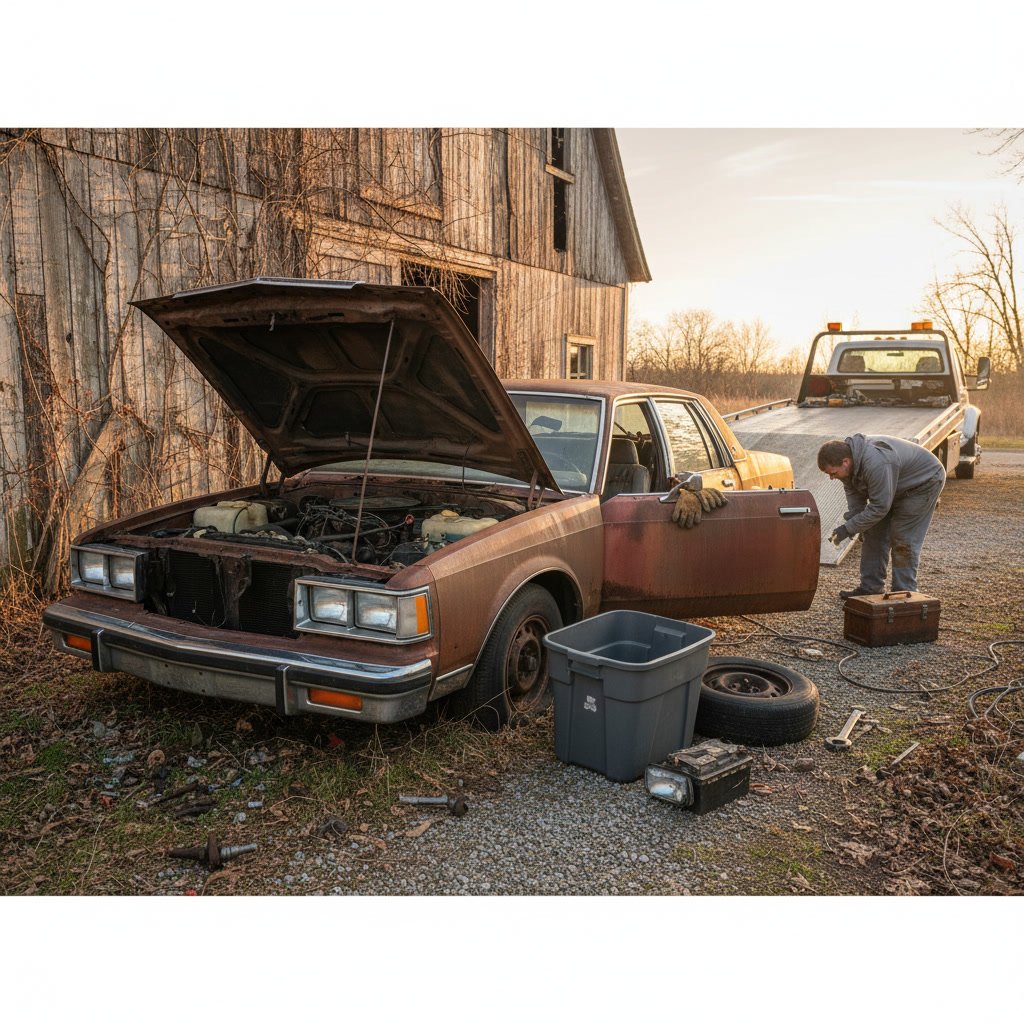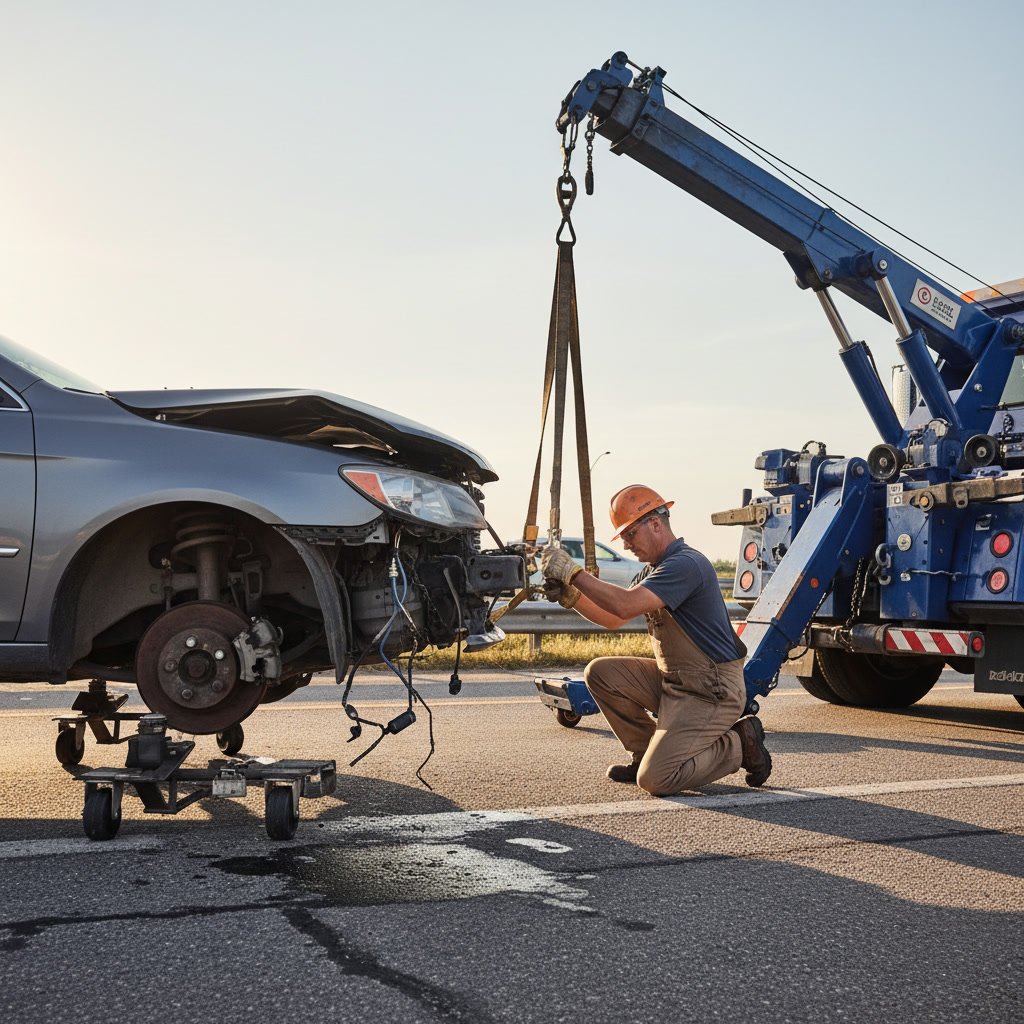
Towing luxury cars requires dramatically different equipment, training, and protocols than hauling standard sedans or trucks. High-end manufacturers design vehicles with low ground clearance, carbon fiber components, all-wheel-drive systems, and delicate undercarriage elements that can sustain thousands of dollars in damage from a single incorrect lift point. Professional operators use flatbed carriers, custom wheel cradles, soft straps rated for specific weight limits, and meticulous pre-transport inspections to ensure vehicles worth six figures arrive without a scratch.
Why Standard Tow Trucks Put Exotic Vehicles at Risk
Conventional wheel-lift and hook-and-chain systems apply pressure to suspension points, bumpers, and frame rails never engineered to bear concentrated loads. Sports cars and luxury sedans often feature composite front fascias that crack under traditional hooks, while all-wheel-drive systems can suffer catastrophic drivetrain damage if towed with any wheels on the pavement. Many exotic manufacturers void warranties when a vehicle is towed improperly, leaving owners liable for repair costs that can exceed the price of the tow itself.
Low-clearance models scrape on ramps and lift arms designed for standard ride heights. A Ferrari or Lamborghini sits just four to five inches off the ground, while many tow truck ramps angle upward at six to eight degrees. Without specialized loading equipment, the front splitter or exhaust system contacts metal before the vehicle reaches the bed.
Flatbed Transport as the Gold Standard
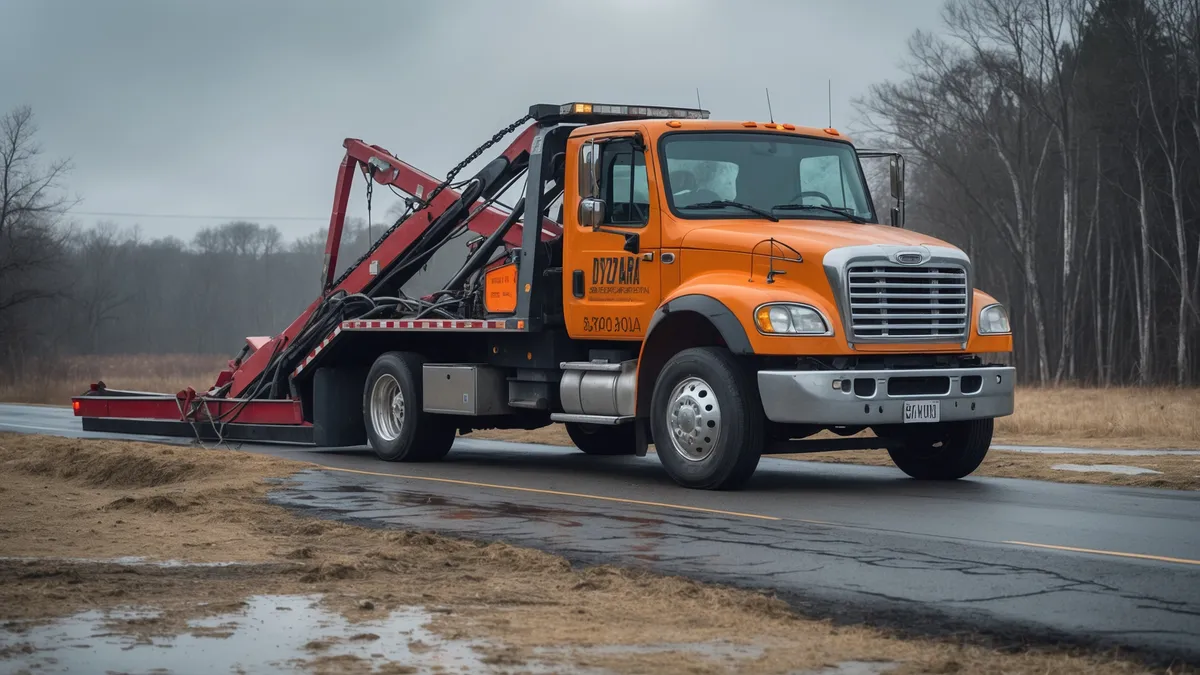
Every reputable Seattle luxury towing provider uses enclosed or open flatbed carriers exclusively for high-value automobiles. The entire vehicle rests on its own tires atop a level platform, eliminating suspension stress and ensuring no component touches pavement during transit. Hydraulic tilt beds lower to near-ground level, allowing vehicles with extreme rake angles to roll aboard without scraping.
Enclosed flatbeds add climate control and protection from road debris, salt spray, and ultraviolet exposure. Collectors transporting vintage Porsches or limited-edition McLarens often specify enclosed carriers to preserve paint finishes and prevent stone chips during highway transport. The enclosed environment also shields custom interiors from dust and moisture.
Custom Wheel Cradles and Soft Tie-Down Systems
Once aboard the flatbed, operators secure wheels using padded cradles rather than chains or bare straps. These cradles distribute clamping force across the tire sidewall and wheel face, preventing rim scuffs and avoiding contact with painted or carbon fiber bodywork. High-end cradles feature adjustable widths to accommodate staggered wheel setups common on performance models.
Soft tie-down straps rated for specific weight thresholds replace metal hooks. Operators attach these straps to factory-designated anchor points listed in the vehicle’s service manual, never to suspension arms, control links, or exhaust hangers. A typical exotic car weighs between 3,000 and 4,500 pounds, but operators use straps rated for 10,000 pounds to ensure redundancy and account for dynamic road forces.
Pre-Transport Inspection and Documentation
Professional teams photograph every panel, wheel, and trim piece before loading. This visual record protects both the owner and the towing company by establishing the vehicle’s condition at pickup. Operators note existing scratches, dents, and paint chips, then compare the same areas after delivery to confirm no new damage occurred.
Technicians also verify tire pressure, check for fluid leaks, and document dashboard warning lights. If a low-clearance vehicle arrives with a damaged suspension or deflated tire, the operator adjusts loading angles or inflates the tire temporarily to prevent undercarriage contact. This level of attention mirrors the care applied when providing roadside assistance for any stranded motorist.
Specialized Training for High-Performance Drivetrains
All-wheel-drive exotics like the Audi R8 or Porsche 911 Turbo cannot be towed with any wheels touching pavement without disengaging the drivetrain or risking transmission failure. Many manufacturers forbid wheel-lift towing entirely, specifying flatbed-only transport in owner’s manuals. Operators trained in luxury vehicle protocols understand which models require driveshaft disconnection, which feature neutral tow modes, and which must never be towed except on a flatbed.
Electric and hybrid supercars add another layer of complexity. High-voltage battery packs demand specific lifting points to avoid puncture, and regenerative braking systems can activate if wheels rotate during towing. Technicians certified for exotic vehicle transport study manufacturer bulletins and attend factory training sessions to stay current on these evolving requirements.
Climate-Controlled Storage and Staging Areas
When immediate delivery is not possible, luxury vehicles require indoor staging to protect sensitive electronics and leather interiors. Operators park cars in climate-controlled garages rather than outdoor lots, preventing condensation on cold leather, sun fade on carbon fiber trim, and battery drain from temperature extremes. Some facilities even provide battery tenders to maintain charge during multi-day storage.
Enclosed transport becomes essential when owners need vehicles moved across state lines or to distant repair facilities. Cross-country haulers use multi-car enclosed trailers with individual wheel chocks and tie-down points, ensuring each vehicle remains isolated from others during transit.
Communication Protocols and Owner Preferences
Luxury car owners often provide specific instructions about where operators may touch the vehicle, which keys to use, and how to activate transport mode on electronically controlled suspensions. Professionals honor these requests and maintain open communication throughout the process. A quick call to confirm pickup timing or verify delivery location prevents confusion and demonstrates respect for the owner’s investment.
Some owners request that operators wear gloves, avoid leaning on panels, and never place tools on painted surfaces. These preferences are not excessive when a single door ding can cost $2,000 to repair correctly. Reputable towing services build standard operating procedures around these expectations rather than treating them as special requests.
How Pinocchio Towing LLC Protects High-Value Vehicles in Seattle
Pinocchio Towing LLC has served Seattle drivers since 2020, earning trust through meticulous attention to detail and transparent pricing. Every operator completes manufacturer-specific training for European, Japanese, and American luxury brands, ensuring familiarity with lift points, drivetrain configurations, and transport mode activation. The company maintains a fleet of flatbed carriers equipped with hydraulic tilt beds, custom wheel cradles, and soft tie-down systems designed for vehicles ranging from vintage Ferraris to modern Teslas.
Clients receive photo documentation before and after transport, along with detailed invoices that itemize every service and material used. This transparency extends to emergency situations, where operators explain the safest recovery method and provide upfront cost estimates before beginning work. The same principles apply whether the call involves an exotic supercar or a family sedan needing safe preparation for towing.
Insurance Requirements and Liability Coverage
Operators handling six-figure automobiles carry liability policies with limits high enough to cover total vehicle replacement. Standard commercial towing insurance typically maxes out at $50,000 per incident, insufficient for a $200,000 Bentley or $300,000 McLaren. Specialty insurers offer garage-keepers liability and on-hook coverage with limits exceeding $1 million, protecting owners if damage occurs during loading, transport, or unloading.
Owners should verify insurance coverage before authorizing service. Reputable companies provide certificates of insurance upon request and welcome the scrutiny. Operators without adequate coverage often avoid luxury vehicles entirely or charge premiums that reflect uninsured risk.
Real-World Scenarios Where Specialized Equipment Prevents Damage
Consider a Porsche 911 GT3 RS stranded on Interstate 5 with a blown tire. The carbon ceramic brake rotors alone cost $15,000 to replace, and the rear wing mounts to composite bodywork that cracks if subjected to uneven pressure. A wheel-lift tow would place all weight on the front suspension while dragging the rear wheels, potentially warping rotors and stressing the drivetrain. A flatbed with a low-angle ramp allows the car to roll aboard under its own power, distributing weight evenly and preserving every component.
Another example involves a Tesla Model S Plaid with a dead 12-volt battery. The vehicle cannot shift into neutral without power, and forcing the transmission causes permanent damage. Trained operators know to access the front trunk, jump the auxiliary battery, and activate tow mode through the touchscreen before loading. This expertise prevents a simple battery issue from escalating into a $10,000 drivetrain replacement.
Protecting Your Investment Through Professional Service
Luxury and exotic vehicles represent significant financial and emotional investments that deserve care matching their value. Specialized towing protocols using flatbed carriers, custom wheel cradles, soft tie-downs, and manufacturer-trained operators ensure these automobiles arrive at their destination in the same condition they left. Pre-transport inspections, photo documentation, and transparent communication provide peace of mind that standard towing services cannot match.
Whether you drive a vintage classic, a modern supercar, or a high-performance sedan, choosing a towing provider with the right equipment and training protects your vehicle from costly damage and preserves its long-term value. The difference between a professional luxury tow and a standard recovery can mean thousands of dollars in repairs and weeks of downtime waiting for replacement parts shipped from overseas factories.
If your high-value vehicle needs transport or emergency recovery, Pinocchio Towing LLC offers 24/7 service with flatbed carriers, certified operators, and full insurance coverage. Call (206) 202-0009 to speak with a specialist who understands the unique requirements of luxury automobiles and will treat your investment with the respect it deserves.