
When your temperature gauge climbs into the red zone, the decision between adding coolant and calling for car overheating towing can determine whether you face a $200 repair or a $4,000 engine replacement. Many drivers assume that an overheated engine just needs fluid, but certain symptoms indicate your cooling system has already failed in ways that make driving extremely dangerous. Recognizing these specific warning signs protects both your vehicle and your safety on the road.
Understanding the difference between a temporary overheat and catastrophic cooling system failure requires looking beyond the temperature gauge. The following signs tell you exactly when your vehicle needs professional transport rather than a roadside fix.
How Engines Overheat and Why the Damage Escalates Quickly
Your engine operates within a precise temperature range, typically between 195 and 220 degrees Fahrenheit. When coolant circulation stops or becomes insufficient, metal components expand beyond their design tolerances within minutes. Cylinder heads warp at approximately 260 degrees, while pistons can seize against cylinder walls at 300 degrees.
The cooling system relies on constant fluid movement through the radiator, water pump, thermostat, and engine block passages. A failure at any point creates a cascading effect. Once the temperature exceeds 240 degrees, gasket materials begin to deteriorate, allowing coolant to leak into oil passages or combustion chambers. This contamination accelerates wear throughout the entire engine.
Steam Pouring From Under the Hood Signals Immediate Danger
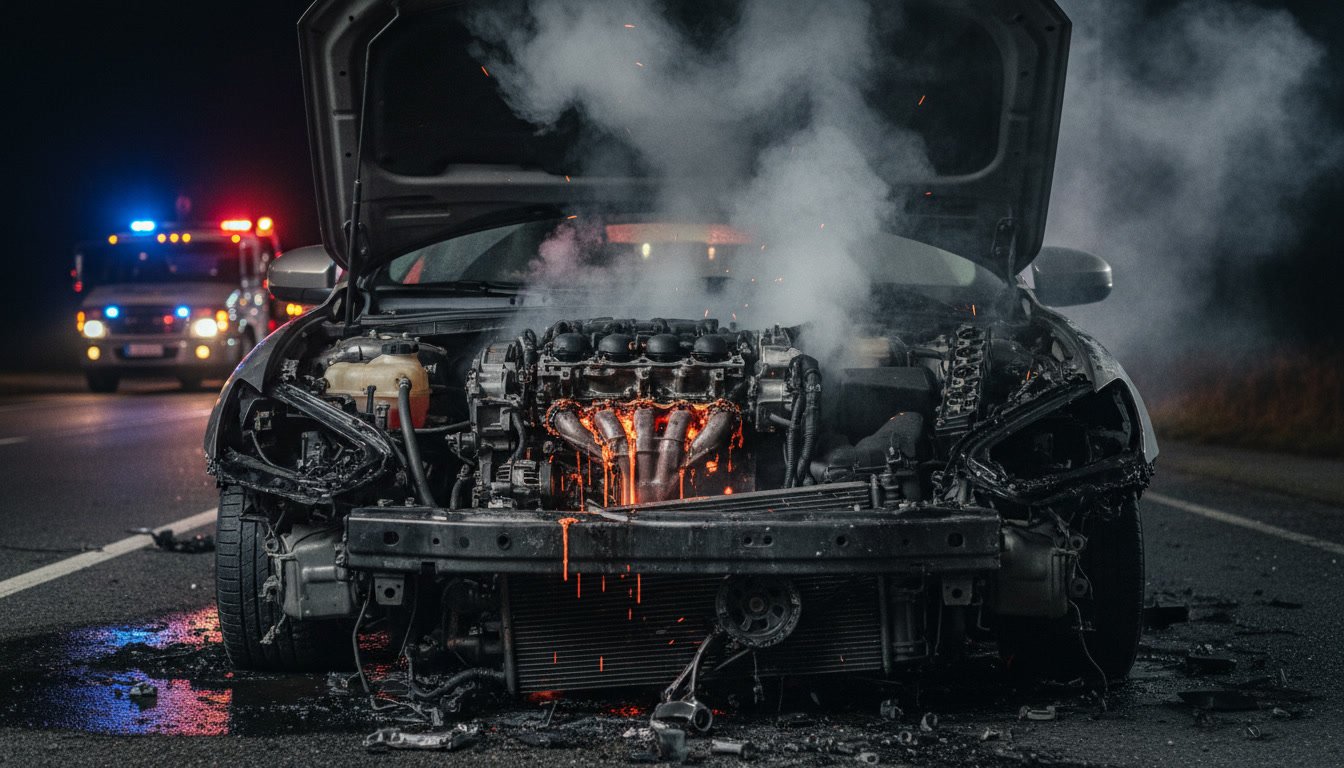
Visible steam escaping from your engine compartment indicates coolant has reached boiling point and is vaporizing under pressure. This symptom means your cooling system has completely lost its ability to regulate temperature. The steam may appear white or slightly sweet-smelling due to ethylene glycol in the coolant mixture.
When you see continuous steam production, your engine has likely exceeded safe operating temperature for several minutes already. Internal damage may include warped cylinder heads, blown head gaskets, or cracked engine blocks. Driving even a short distance in this condition forces compromised metal surfaces to grind against each other without proper lubrication or clearance.
Pull over immediately and shut off the engine. Do not attempt to open the radiator cap or reservoir, as pressurized coolant can cause severe burns. Roadside assistance becomes essential at this stage because restarting the engine risks catastrophic failure.
Metal Knocking or Ticking Sounds After Overheating in Seattle
Unusual metallic sounds following an overheat episode indicate thermal expansion has altered critical clearances inside your engine. A rhythmic ticking that increases with engine speed often means valve components have lost their proper gaps. Deeper knocking sounds suggest bearing surfaces or piston skirts are making contact with cylinder walls.
These noises occur because aluminum and steel components expand at different rates when overheated. Once cooled, the parts may not return to their original dimensions if temperatures exceeded the material’s elastic limit. Professional mechanics in Seattle, WA 98178 regularly see engines that ran for just two miles after overheating require complete rebuilds due to bearing damage.
If you hear any new mechanical sounds after your temperature gauge spiked, continuing to drive multiplies the damage exponentially. What might be a $600 head gasket repair becomes a $3,500 engine replacement when worn bearings contaminate the oil system with metal particles.
Coolant Mixed With Oil Creates a Milky Substance
Check your oil dipstick after any overheating event. If the oil appears tan, milky, or has a frothy consistency, coolant has breached the head gasket or developed cracks in internal passages. This contamination destroys the oil’s lubricating properties and creates an abrasive slurry that grinds away bearing surfaces.
The mixing occurs because coolant passages run directly adjacent to oil galleries in the engine block and cylinder head. When gaskets fail or metal warps, the pressure differential forces coolant into the lower-pressure oil system. Even a small amount of coolant contamination requires immediate oil system flushing and gasket replacement.
Driving with contaminated oil accelerates wear to every moving part your engine contains. Connecting rod bearings typically fail first, followed by camshaft lobes and crankshaft journals. Once you observe this milky appearance, getting your vehicle towed prevents damage from spreading throughout the entire lubrication system.
Gauge Fluctuations Between Hot and Normal Indicate Serious Problems
A temperature gauge that swings rapidly from normal to hot and back suggests your cooling system has lost its ability to maintain consistent flow. This erratic behavior often points to a failing water pump, stuck thermostat, or severe internal blockage from corrosion or sludge buildup.
Water pumps contain impeller blades that circulate coolant through the system. When these blades corrode or break, coolant flow becomes intermittent. The engine temperature spikes when flow stops, then drops briefly when the impeller catches again. Each cycle of overheating followed by rapid cooling stresses metal components and creates microfractures in the block and head.
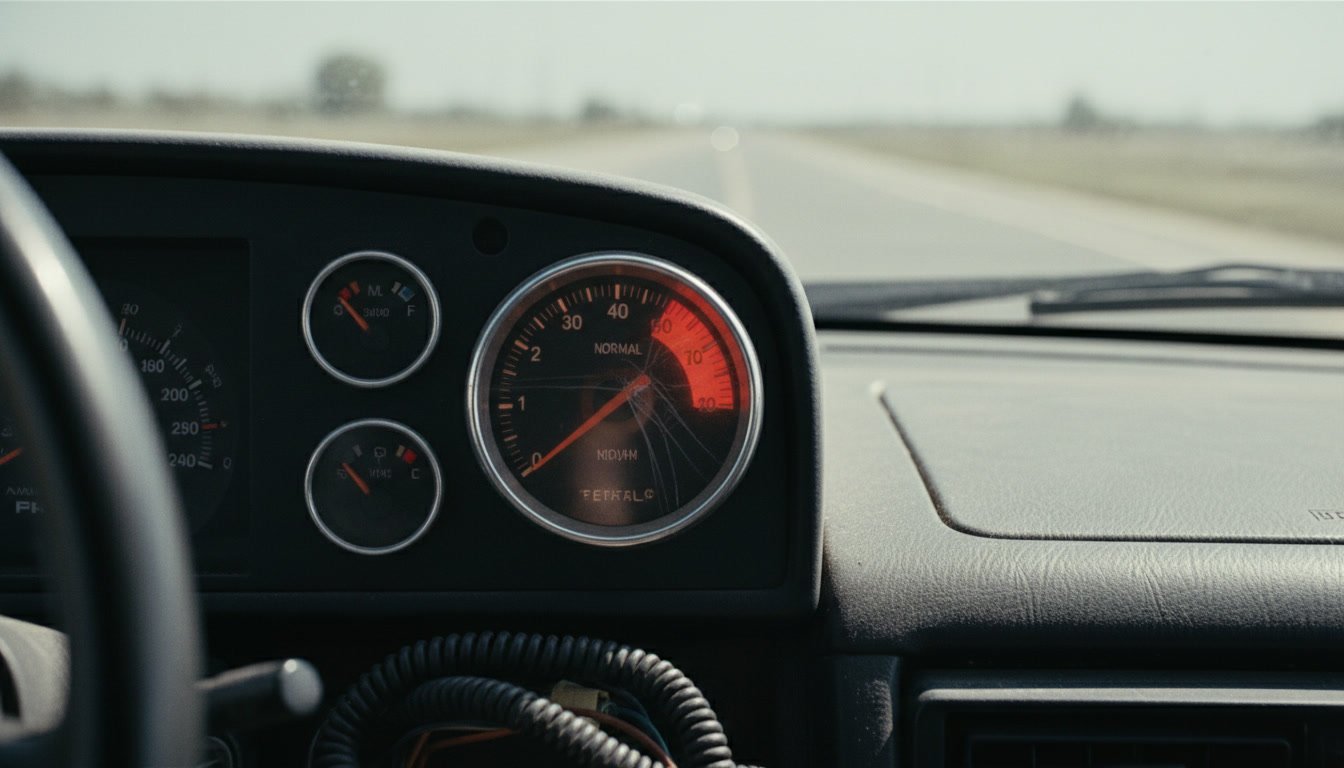
Thermostats can stick partially closed, restricting coolant flow until pressure forces them open momentarily. This creates a cycling pattern that appears almost normal on the gauge but actually subjects your engine to repeated thermal shock. These fluctuations cause more cumulative damage than a single overheat event because the expansion and contraction cycles fatigue the metal structure.
Five Critical Symptoms That Require Towing Not Driving
Certain combinations of symptoms indicate your cooling system damage has reached a point where driving causes irreversible harm:
- Temperature gauge remains in the red zone even after the engine cools for 30 minutes
- Visible coolant puddles forming under the vehicle within minutes of parking
- Engine misfires or runs roughly after an overheat episode
- Sweet smell inside the cabin indicating coolant is burning in the combustion chambers
- Loss of power accompanied by white or blue exhaust smoke
Each of these symptoms indicates damage beyond simple fluid loss. A temperature gauge that stays elevated after cooling suggests the sensor has failed or the engine has sustained permanent damage affecting its thermal properties. Rapid coolant loss points to a major crack or blown hose that cannot maintain system pressure.
Misfiring after overheating means cylinder compression has changed due to warped surfaces or damaged gaskets. The sweet smell inside your cabin indicates heater core damage or coolant entering the intake manifold. White exhaust smoke shows coolant burning in the cylinders, while blue smoke indicates oil consumption from worn rings or valve seals.
Why Adding Coolant and Continuing to Drive Makes It Worse
Many drivers believe adding coolant solves an overheating problem, but this approach overlooks the underlying mechanical failures. If your cooling system lost fluid due to a leak, simply refilling it means you will overheat again once the coolant escapes. Meanwhile, you are driving with components that may have already warped or cracked.
Running an engine with compromised head gaskets or cracked passages allows combustion pressure to enter the cooling system. This pressure prevents proper coolant circulation and creates hot spots in the cylinder head. These localized areas of extreme heat can melt spark plug electrodes, burn valves, and even ignite remaining coolant into steam pockets that block flow entirely.
The false security of a temporarily normal temperature gauge leads drivers to continue operating damaged engines. Professional towing services understand that protecting the remaining value of your vehicle requires preventing further operation once certain damage thresholds have been crossed.
What Happens Inside Your Engine During Severe Overheating
At 260 degrees Fahrenheit, aluminum cylinder heads begin to warp across their sealing surfaces. The warpage measures only a few thousandths of an inch, but this is enough to break the seal between the head and engine block. Once this seal fails, combustion gases escape into coolant passages while coolant leaks into cylinders.
Piston rings lose their tension when temperatures exceed their tempering point, typically around 280 degrees. This allows oil to bypass into the combustion chamber and reduces compression. Lower compression means less power and increased fuel consumption, but more critically, it indicates permanent ring damage requiring complete disassembly to repair.
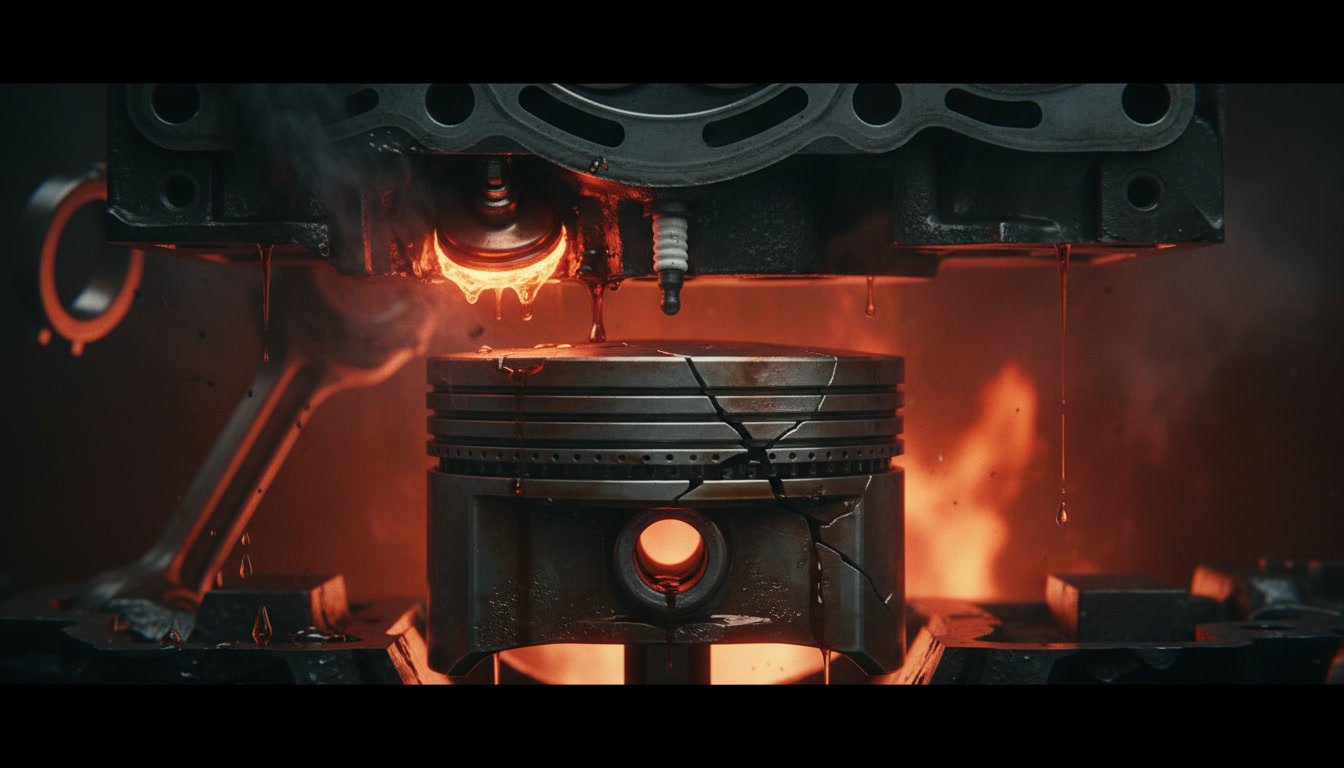
Bearing surfaces require oil clearances measured in thousandths of an inch. When crankshaft and connecting rod journals expand from heat, these clearances disappear. Metal-to-metal contact creates friction that generates even more heat, leading to bearing seizure. A seized bearing can break a connecting rod, which then punches through the engine block, rendering the entire engine unrepairable.
How Professional Towing Protects Your Vehicle After Cooling System Failure
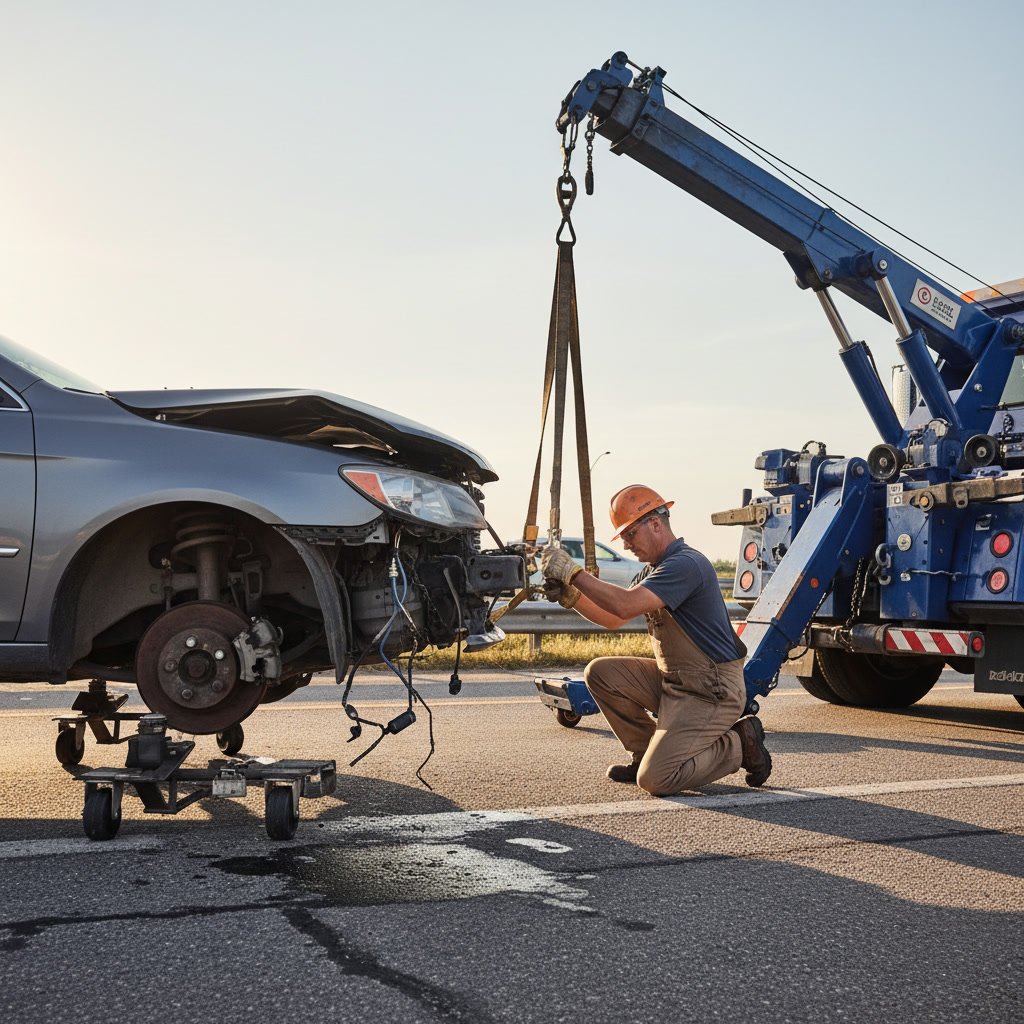
Modern tow trucks use flatbed or wheel-lift systems that prevent any additional stress on your damaged engine during transport. Keeping all four wheels off the ground ensures no accidental drivetrain engagement that could turn the damaged engine. This protection is especially important if your engine has seized or has internal components that have shifted from their normal positions.
Professional operators understand that overheated vehicles require specific handling. They check fluid levels before loading and document any visible damage. This documentation becomes important for insurance claims and helps mechanics understand the vehicle’s condition before repairs begin. Similar attention to detail applies across different service scenarios, as described in roadside assistance situations.
Attempting to drive an overheated vehicle to a repair shop often results in breakdown mid-journey, potentially in traffic or unsafe locations. Professional towing eliminates this risk and ensures your vehicle reaches the repair facility without additional damage accumulation.
Temperature Warning Lights Versus Gauge Readings
Modern vehicles use both analog temperature gauges and digital warning lights. Many drivers do not realize that warning lights typically activate only after the engine has already exceeded safe temperatures. By the time a red temperature warning illuminates, your coolant may have reached 250 degrees or higher.
Some vehicles program their temperature gauges to remain in the normal range until a critical threshold is reached, then jump directly to hot. This design prevents driver anxiety during normal fluctuations but means you receive no gradual warning of developing problems. When your gauge suddenly spikes or your warning light activates, assume significant overheating has already occurred.
Temperature sensors can also fail, providing false readings that show normal temperatures while your engine overheats. If you notice steam, smell coolant, or hear boiling sounds but your gauge reads normal, trust the physical symptoms over the instrument. The sensor may have failed or lost its connection to the engine computer.
When Pinocchio Towing LLC Should Be Your First Call
Recognizing these critical symptoms protects your engine from damage that transforms a manageable repair into total replacement. Steam production, metallic sounds, oil contamination, gauge fluctuations, and persistent high temperatures all indicate your cooling system has failed beyond the point where driving is safe. Adding coolant without addressing the underlying mechanical damage only delays the inevitable while making repairs more expensive.
Pinocchio Towing LLC provides 24/7 response for overheated vehicles throughout the Seattle area, protecting your engine from additional damage during transport. Our flatbed equipment and experienced operators ensure your vehicle reaches the repair facility safely, preserving whatever value remains and preventing roadside breakdowns in dangerous locations. When your temperature gauge climbs into the red or you notice any combination of the symptoms described above, contact us at +1 206-202-0009 for immediate professional towing that protects your vehicle and gets you back on the road sooner.