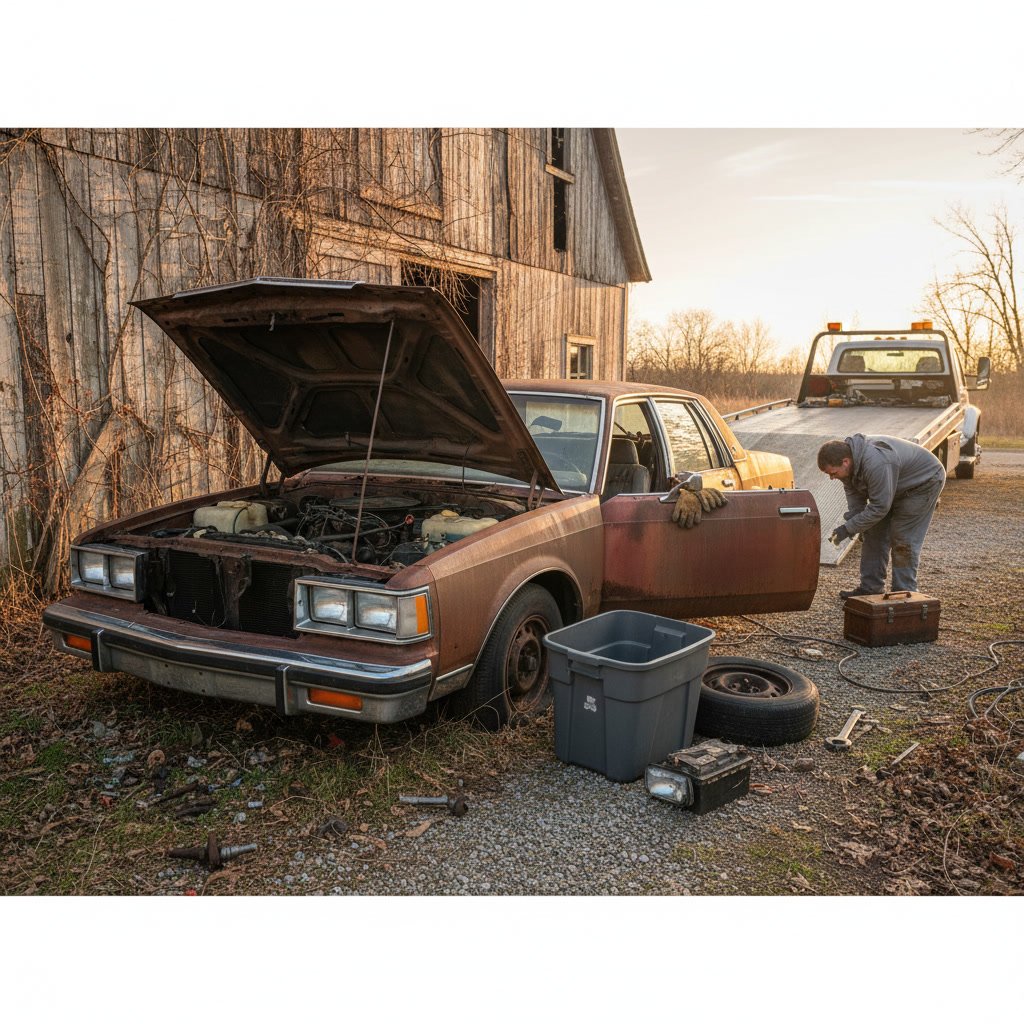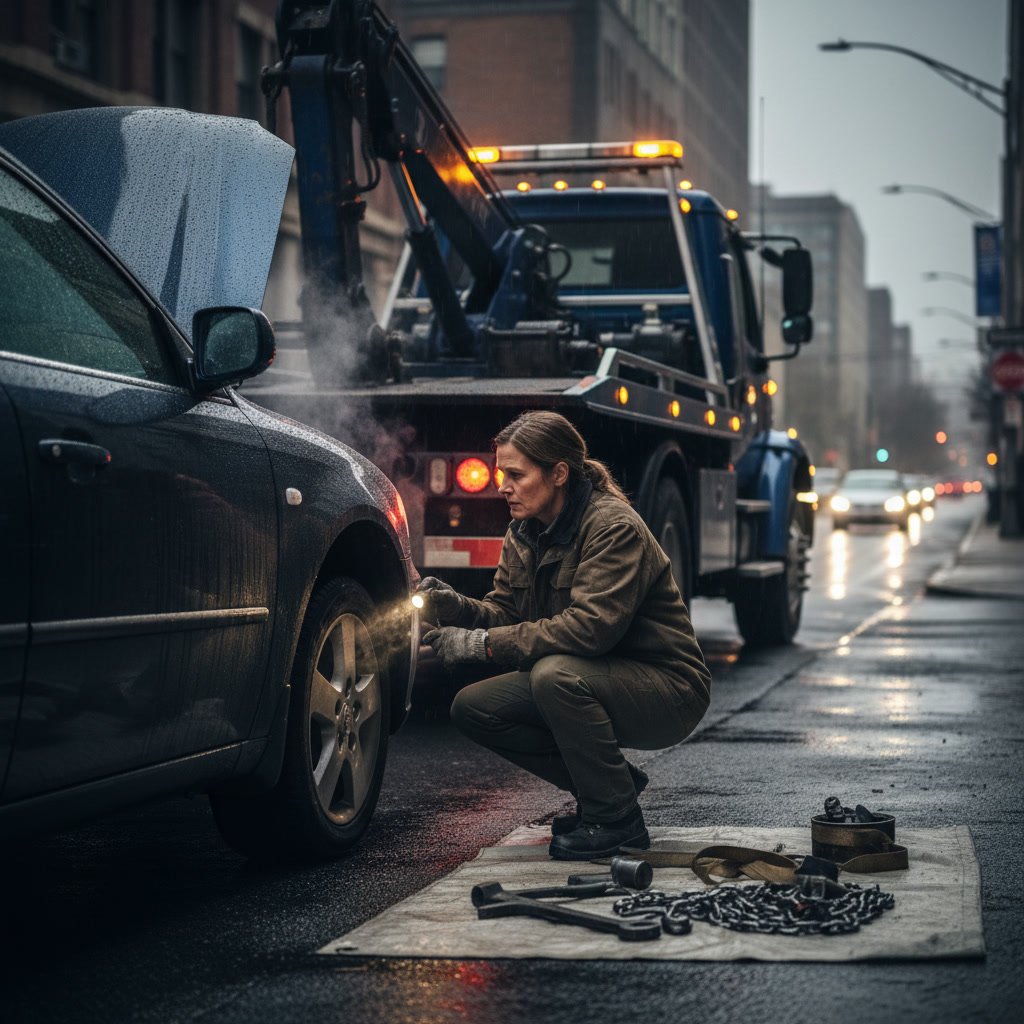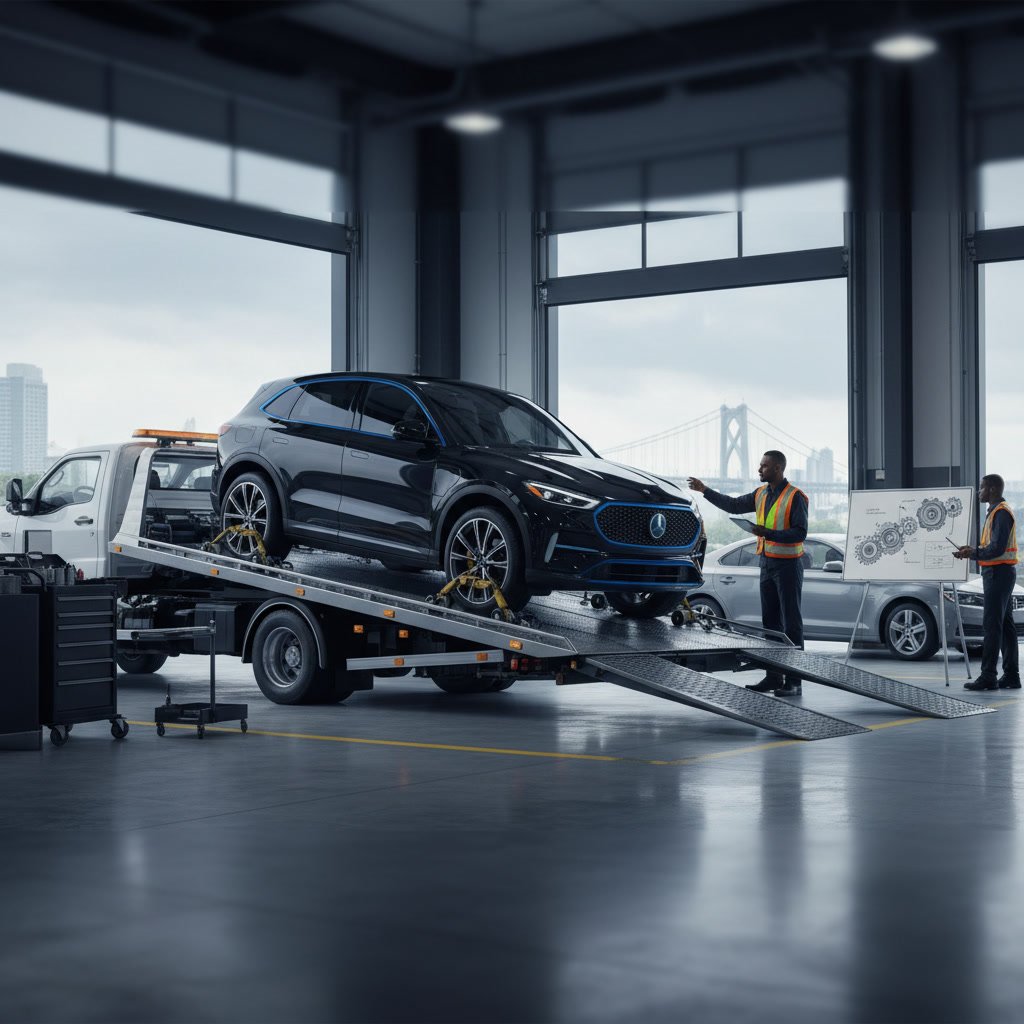
Your car just stopped moving on I-5 during rush hour. Or maybe you’re stuck in a Redmond parking lot with a dead battery and no jumper cables. Whatever the situation, you need help now, not in two hours. Getting a tow truck Seattle when you’re stranded doesn’t have to be complicated, but knowing the right steps can mean the difference between a 20-minute wait and a two-hour ordeal.
This guide walks you through exactly what to do when your vehicle breaks down, how to get fast help, and what to expect from a professional towing service in the Seattle area.
Move to Safety First
Before you even think about calling for help, get yourself and your vehicle to the safest location possible. If your car is still running but showing warning lights, pull off onto a shoulder or into a parking lot. If you’re on a highway, move as far right as possible.
Turn on your hazard lights immediately. If you have roadside flares or reflective triangles, place them 50 to 100 feet behind your vehicle to warn other drivers. This is especially important on busy Seattle roads like Aurora Avenue or Lake City Way where traffic moves fast.
Stay inside your vehicle with your seatbelt on if you’re near moving traffic. Only exit if you can move to a safe location well away from the road. More people are injured trying to fix roadside problems than by staying put and waiting for professional help.
What Information to Have Ready When You Call
When you’re ready to call for a tow truck Seattle, having the right information speeds up the entire process. Professional dispatchers need specific details to send the right equipment and find you quickly.
Your Exact Location
Be as precise as possible. If you’re on a highway, note the mile marker, exit number, or nearest cross street. In Seattle neighborhoods, provide the street address or intersection. Using your phone’s GPS can help pinpoint your location if you’re unsure.
Describe visible landmarks. Are you near a gas station, shopping center, or distinctive building? These details help the tow truck driver spot you faster, especially at night or in heavy traffic.
Vehicle Details and Problem Description
Know your vehicle’s year, make, and model. Tell the dispatcher whether it’s front-wheel drive, rear-wheel drive, or all-wheel drive, as this affects how it needs to be towed. Mention if your vehicle is lifted, lowered, or has any modifications.
Describe what happened. Did the engine suddenly die? Is there steam coming from under the hood? Are you stuck in mud or snow? These details help the dispatcher send the right equipment, whether that’s a flatbed, wheel-lift, or heavy-duty truck.
Your Destination
Know where you want your vehicle towed. This might be your home, a trusted mechanic, or a dealership. Have the address ready. If you don’t have a preferred shop, many towing companies can recommend reputable repair facilities in your area.
Choosing a Reliable Towing Service
Not all towing companies operate with the same standards. When you’re stranded, you’re vulnerable, and some operators take advantage of that situation with inflated prices or poor service.
Look for companies with established local presence. A business that’s been serving Seattle and surrounding cities like Kirkland, Everett, and Edmonds for years has a reputation to protect. Check online reviews quickly if you have time, but focus on recent feedback.
Ask about pricing upfront. Legitimate companies provide clear estimates before dispatching a truck. Be wary of anyone who refuses to discuss costs or gives vague answers about fees. A professional service will explain their base rate, mileage charges, and any additional costs for special equipment or after-hours service.
Pro Tip: Save the contact information for a trusted towing company in your phone before you need it. Having that number ready eliminates the stress of searching while you’re stuck on the side of the road.
What to Expect for Response Time
Response times vary based on several factors. In Seattle, typical arrival times range from 20 to 45 minutes during normal conditions. However, time of day, weather, and your location all play a role.
Rush hour traffic on I-5, I-405, or SR 520 can add significant delays. If you’re stranded during morning or evening commute hours, expect the longer end of that range. Weather events like snow or heavy rain also slow response times as tow trucks navigate the same difficult conditions.
Remote locations naturally take longer to reach than central Seattle neighborhoods. If you’re broken down in North Bend or on Highway 2 toward Stevens Pass, you’re looking at longer wait times than someone on Capitol Hill or in Ballard.
Companies offering 24/7 service maintain trucks and crews around the clock, which generally means faster response than businesses operating limited hours. When you call, ask for an estimated arrival time and whether the dispatcher can provide updates if delays occur.
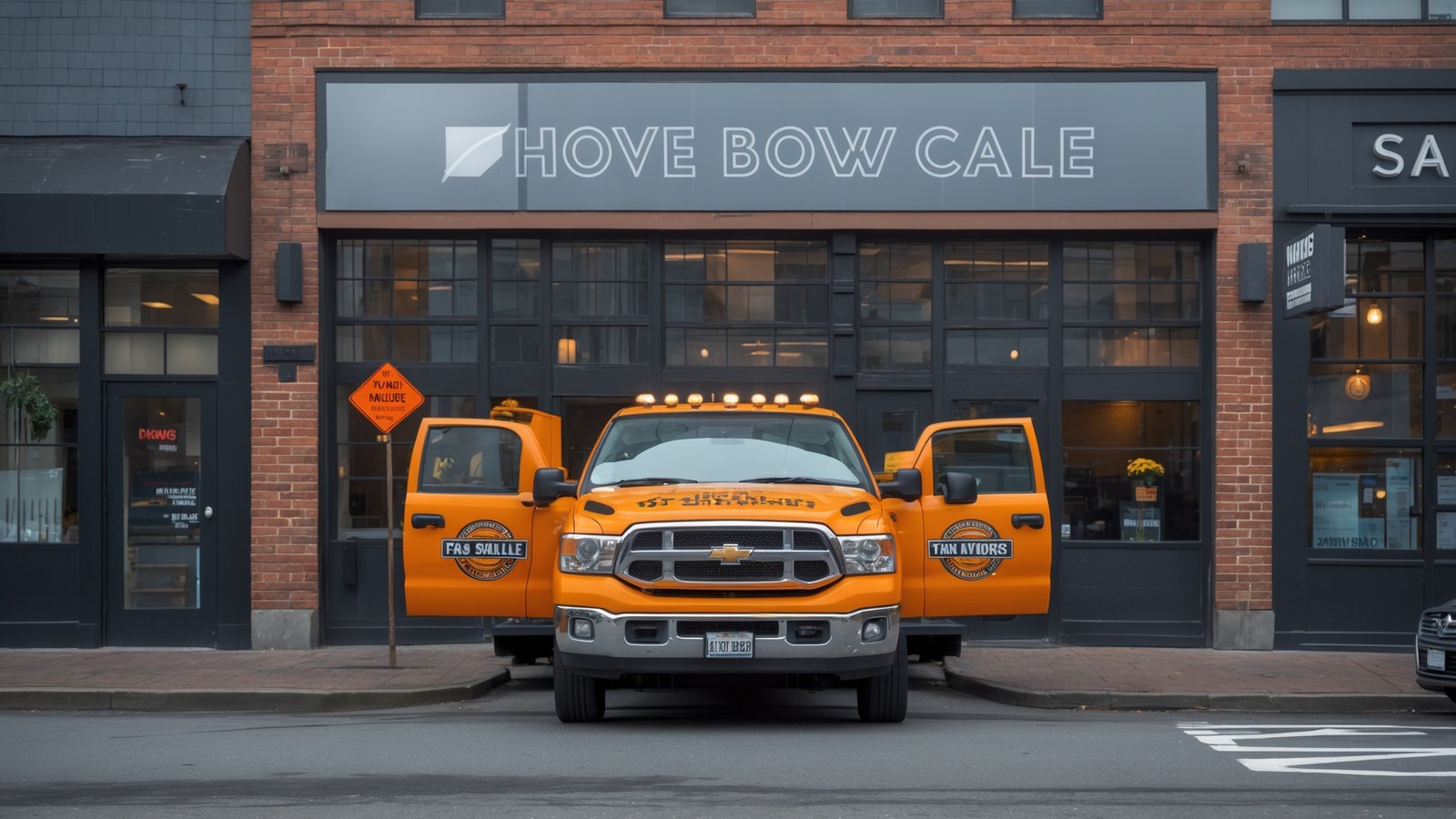
Understanding Different Types of Towing Services
The type of tow truck Seattle providers send depends on your vehicle and situation. Understanding the differences helps you know what to expect.
Flatbed Towing
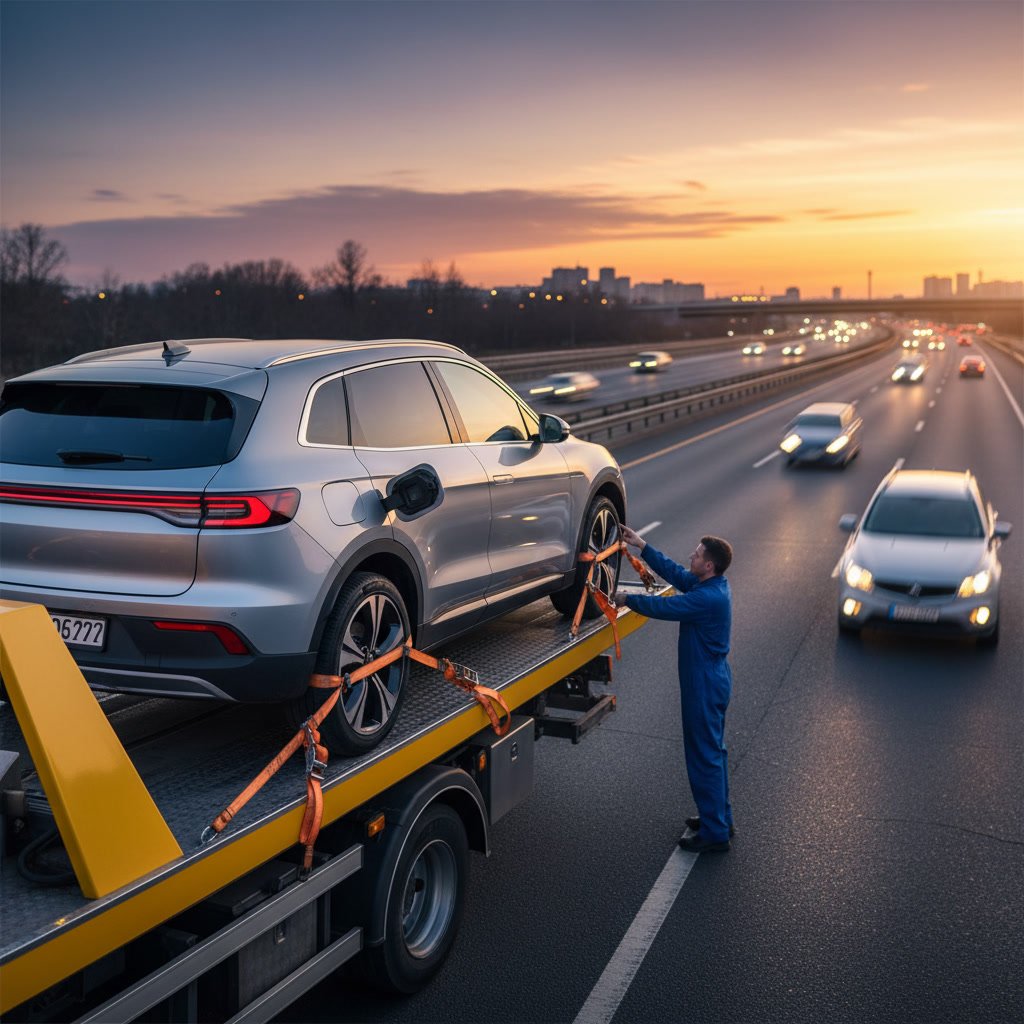
Flatbed trucks carry your entire vehicle on a flat platform, with all four wheels off the ground. This is the safest method for all-wheel-drive vehicles, luxury cars, and vehicles with significant damage. The flatbed tilts down, your car is pulled or driven onto the platform, and secured with chains or straps.
This method eliminates wear on your vehicle’s drivetrain and protects low-clearance cars from scraping. It’s typically the preferred option when available.
Wheel-Lift Towing
Wheel-lift trucks use a metal yoke that slides under the front or rear wheels, lifting one end of your vehicle while the other end rolls on its own wheels. This works well for front-wheel-drive or rear-wheel-drive cars and is faster to deploy than a flatbed.
Modern wheel-lift systems are gentler on vehicles than old-style hook-and-chain methods. However, they’re not suitable for all-wheel-drive vehicles or cars with severe front-end damage.
Heavy-Duty Towing
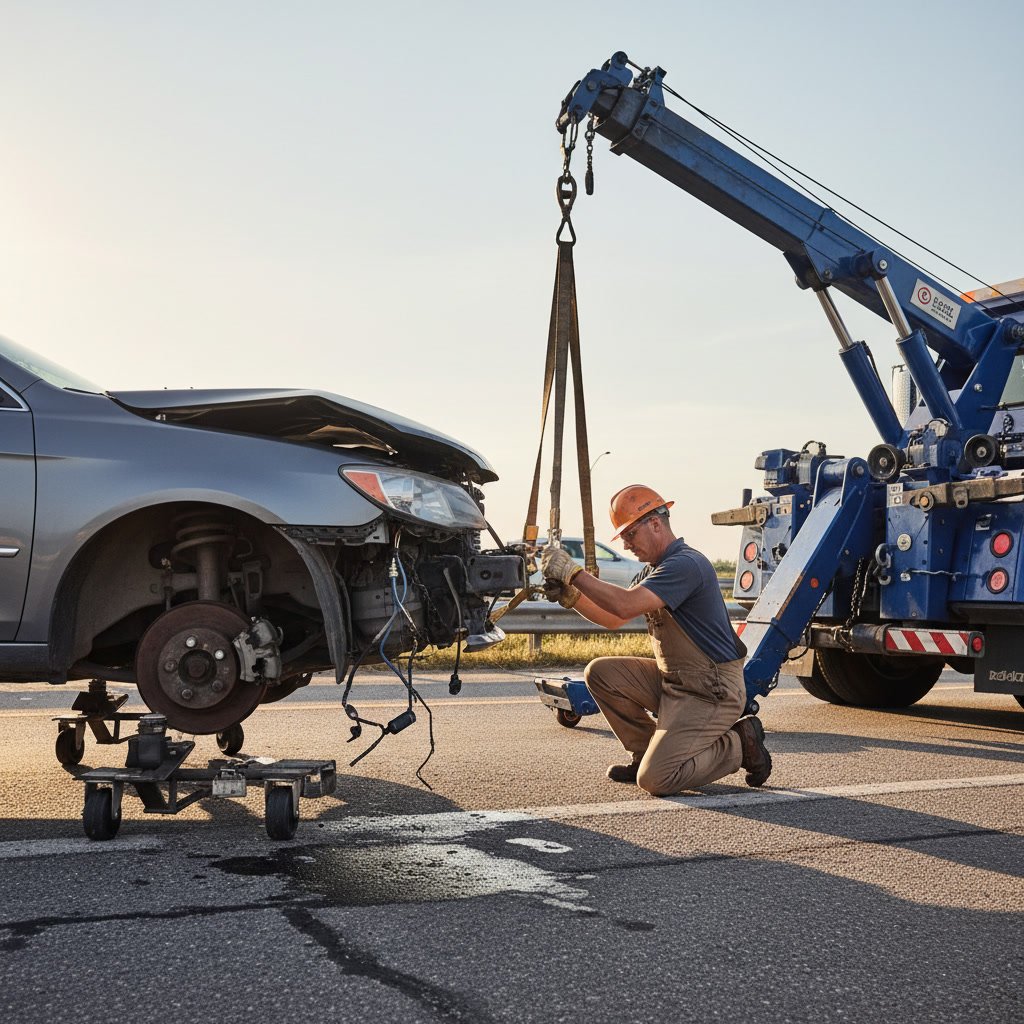
Larger vehicles like RVs, commercial trucks, or buses require specialized heavy-duty equipment. These tow trucks have more powerful winches and reinforced frames to handle the extra weight safely.
Additional Roadside Services That Can Save You a Tow
Sometimes you don’t actually need a full tow. Many problems can be resolved on the spot with the right roadside assistance, saving you time and money.
Battery jumpstarts get you moving again when your car won’t start due to a dead battery. A professional service arrives with commercial-grade jump equipment that works more reliably than borrowing cables from another driver. The technician can also check whether your battery needs replacement or if there’s a charging system problem.
Fuel delivery solves the embarrassing problem of running out of gas. Rather than walking to the nearest station or waiting for a friend, a service truck brings enough fuel to get you to a pump. This is especially valuable late at night or in areas where gas stations are sparse.
Tire changes handle flat tires when you have a spare but can’t or don’t want to change it yourself. Professional technicians have the tools and experience to swap the tire quickly and safely, even in challenging weather or traffic conditions.
Lockout service gets you back into your vehicle when keys are locked inside. Rather than breaking a window or waiting hours for a locksmith, many towing companies have trained technicians who can unlock most vehicles without damage.
Key Takeaway: Always describe your situation completely when you call. What seems like a towing situation might be a quick roadside fix that gets you back on the road in minutes instead of hours.
Cost Factors for Seattle Towing Services
Understanding how towing costs are calculated helps you avoid surprises when the bill arrives. Most companies use a base rate plus mileage structure.
The base rate, also called a hook-up fee, covers the cost of dispatching the truck and the first few miles. In the Seattle area, this typically ranges from $75 to $150 depending on the type of vehicle and equipment needed. Heavy-duty towing costs more than standard passenger car service.
Mileage charges apply after the included distance in the base rate. Expect $3 to $5 per mile beyond that threshold. A tow from downtown Seattle to a shop in Everett covers about 30 miles, so calculate accordingly.
Additional fees may apply for special circumstances. After-hours service, weekend calls, or holiday emergencies often carry surcharges of 20 to 50 percent. Winching a vehicle out of a ditch, recovering a car from a parking garage, or handling vehicles in difficult positions also add to the cost.
Always ask for a complete price estimate before authorizing the service. Reputable companies provide transparent pricing and explain all charges clearly.
Questions to Ask Before the Tow Truck Arrives
While waiting for help, use the time to clarify important details with the dispatcher or company representative.
Confirm the estimated arrival time and ask if they’ll call or text with updates. Knowing when to expect help reduces stress and lets you make other arrangements if needed.
Verify the total cost including all fees. Get this in writing via text or email if possible. Ask specifically about payment methods accepted. Some trucks carry card readers, while others require cash.
Check whether they’re sending the appropriate equipment for your vehicle. If you drive an all-wheel-drive SUV, confirm they’re bringing a flatbed. For a motorcycle, make sure they have the right trailer or equipment.
Ask about their insurance and licensing. Professional towing companies carry liability insurance and proper business licenses. Don’t hesitate to request proof, especially if you’re dealing with an unfamiliar company.
What Happens After the Tow Truck Arrives
When your tow truck Seattle operator arrives, they’ll assess the situation and verify the destination. The driver should inspect your vehicle, explain the towing method they’ll use, and ask you to remove any valuable items.
Take photos of your vehicle before it’s loaded, especially if there’s pre-existing damage. This protects both you and the towing company by documenting the condition.
The driver will secure your vehicle using straps, chains, or wheel nets depending on the towing method. Professional operators double-check all connections and ensure the vehicle is stable before moving.
You can typically ride in the tow truck cab to your destination, though some companies have policies against this for insurance reasons. If you can’t ride along, arrange alternative transportation before the truck leaves.
At the destination, the driver will carefully unload your vehicle and provide you with paperwork detailing the service and charges. Review this documentation before signing and keep a copy for your records.
How 24-Hour Service Makes a Difference
Breakdowns don’t follow a schedule. Your transmission can fail at 3 a.m. just as easily as 3 p.m. Having access to true 24-hour towing service means help is available whenever disaster strikes.
Companies offering round-the-clock service maintain staffed dispatch centers and drivers on call at all hours. This isn’t the same as an answering service that takes messages for callback in the morning. Real 24/7 operations can dispatch a truck immediately, regardless of the time.
This matters especially during Seattle’s long winter nights when temperatures drop and waiting becomes dangerous. It’s critical if you’re stranded in an isolated area where staying with your vehicle overnight isn’t safe or practical.
Late-night or early-morning service does sometimes carry premium pricing, but the peace of mind and safety benefits outweigh the extra cost when you’re stuck at 2 a.m. on a deserted road.
Local Advantages for Seattle Area Towing
Working with a towing company based in the Seattle area provides distinct advantages over national call-center services or distant operators.
Local companies know the roads. They understand that Mercer Street turns into a parking lot during events at Seattle Center, that Eastlake Avenue floods in heavy rain, and which neighborhoods have difficult access for large trucks. This knowledge translates to faster response times and fewer complications.
They maintain relationships with area repair shops and can recommend trustworthy mechanics when you don’t have one. A company serving Seattle, Redmond, Kirkland, Edmonds, and Everett understands the regional automotive service landscape.
Local businesses have reputations in the community to maintain. A company that’s been operating since 2020 and plans to continue serving the area for decades won’t risk that reputation with dishonest practices or poor service.
Frequently Asked Questions
How long does it take to get a tow truck in Seattle?
Typical response times range from 20 to 45 minutes under normal conditions. Factors like traffic, weather, your exact location, and time of day affect arrival times. During rush hour or severe weather, expect longer waits. When you call, the dispatcher should provide an estimated arrival time based on current conditions.
Can I stay with my car while it’s being towed?
Many towing companies allow you to ride in the truck cab to your destination, though policies vary by company and insurance requirements. Always ask when you call. If riding along isn’t permitted, arrange for alternative transportation before the tow truck leaves with your vehicle.
What should I do with my personal belongings before my car is towed?
Remove all valuable items, important documents, and personal belongings before your vehicle is loaded. While professional companies take security seriously, items can shift during transport or get lost. Take your registration and insurance documents, phone chargers, medications, and anything else you’ll need. The trunk is generally secure during towing, but remove items from the passenger compartment.
Does my car insurance cover towing costs?
Many auto insurance policies include roadside assistance coverage that pays for towing up to a certain dollar amount or distance. Check your policy documents or call your insurance company to verify your coverage. Some policies require you to use specific contracted towing companies, while others reimburse you for any licensed service. Keep your receipt to submit for reimbursement if needed.
What if my car breaks down on a highway or dangerous location?
Move as far from traffic as safely possible and turn on your hazard lights immediately. Stay in your vehicle with your seatbelt fastened if you’re near moving traffic. Call for help right away and let the dispatcher know you’re in a dangerous location so they can prioritize your call. If staying in the vehicle feels unsafe, move well away from the road to a protected area, but stay visible so the tow truck can find you.
Getting Help When You Need It Most
Breaking down is stressful, but knowing how to get a tow truck Seattle quickly turns a potential disaster into a manageable inconvenience. Move to safety, gather the right information, and call a reputable local service that offers transparent pricing and professional equipment.
Pinocchio Towing LLC serves drivers throughout Seattle, Redmond, Kirkland, Edmonds, and Everett with 24/7 towing and roadside assistance. Whether you need a full tow, a jumpstart, fuel delivery, or help with a flat tire, experienced crews respond quickly with the right equipment to get you moving again. When you’re stranded and need reliable help fast, call +1 206-202-0009 for immediate assistance.