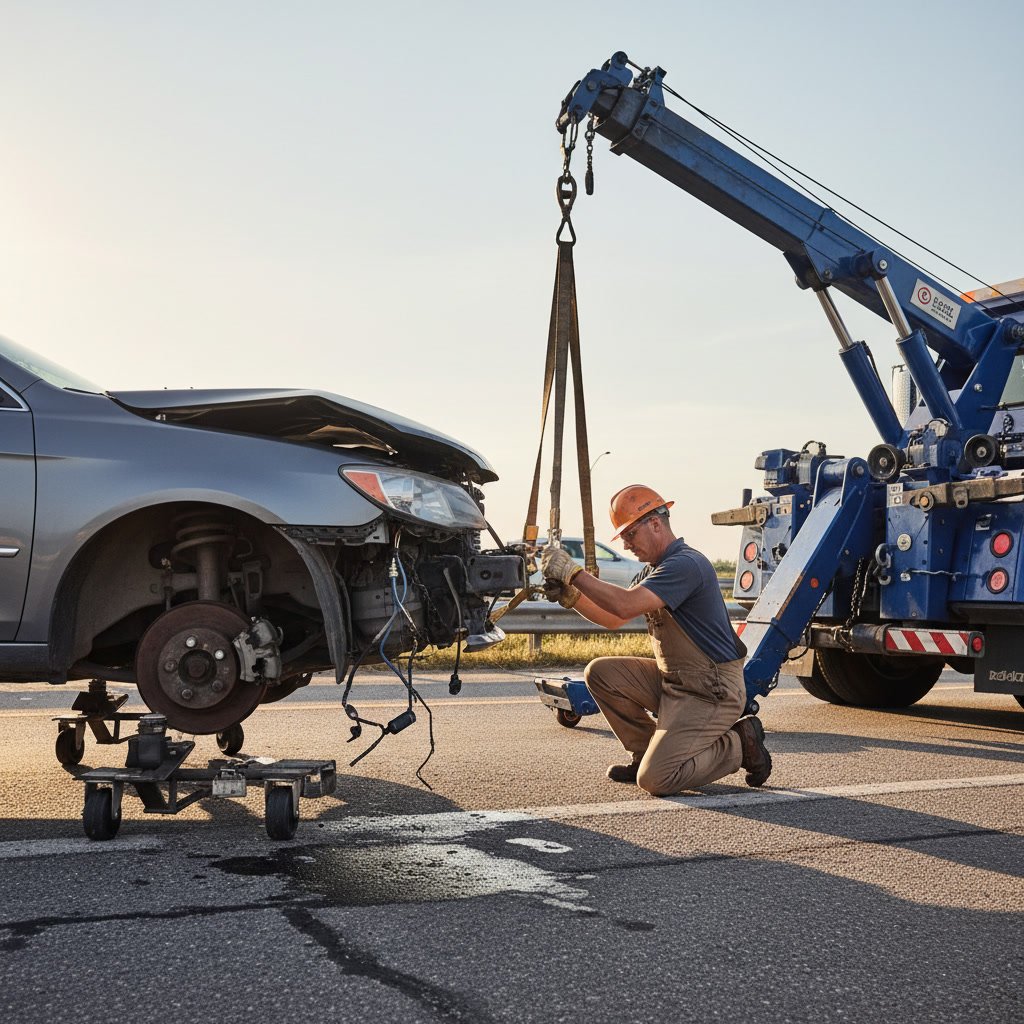
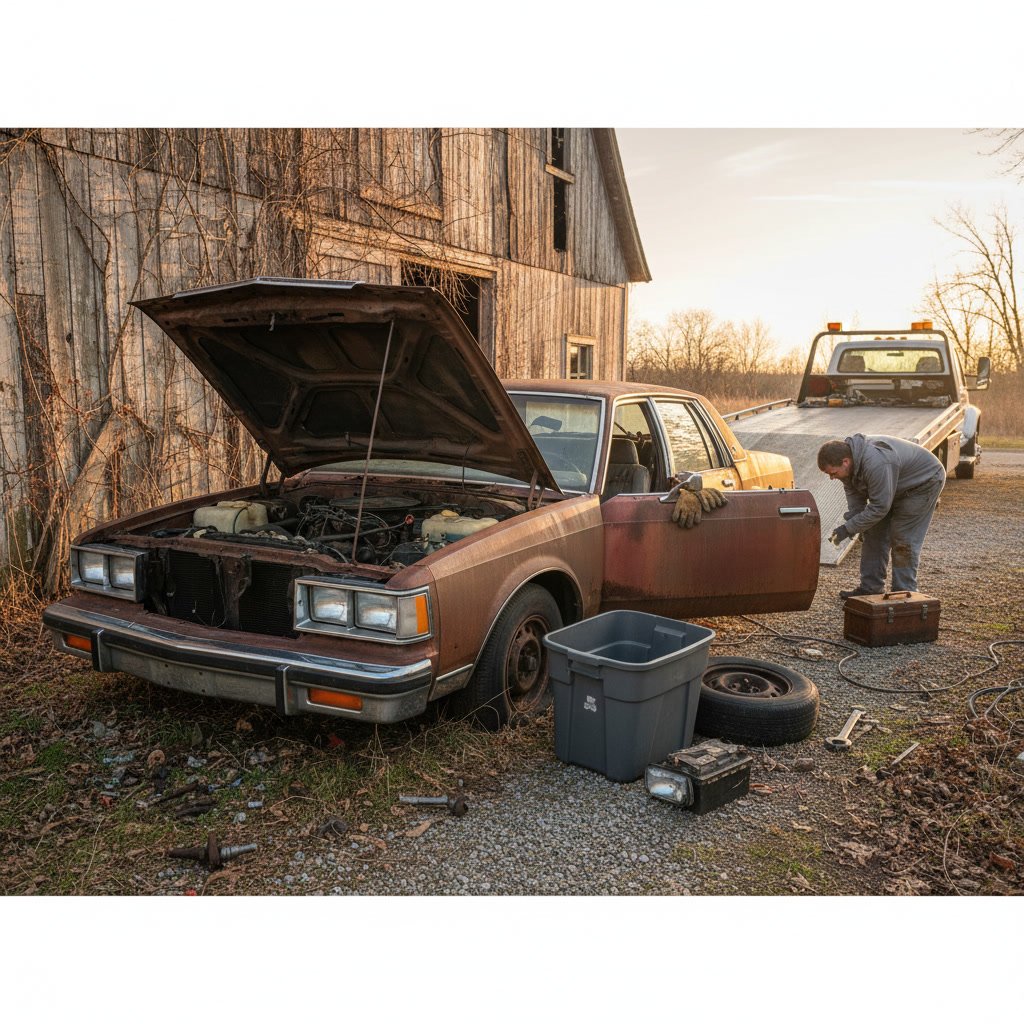
Most junk car removal services accept vehicles in any condition, but taking a few preparation steps ensures faster pickup and better value. Understanding what to remove, what paperwork you need, and what items to keep helps streamline the entire process and prevents delays on pickup day. Knowing how to prepare junk car pickup properly saves time and helps you get the most return on your unwanted vehicle.
Why Proper Preparation Matters Before Your Vehicle Gets Removed
Taking time to prepare your vehicle before the tow truck arrives protects your interests and speeds up the transaction. Removal crews work on tight schedules, and having everything ready means they can complete the pickup in 15 to 20 minutes rather than dragging out the process for an hour. Proper preparation also ensures you don’t accidentally surrender personal items or important documents that end up crushed in a salvage yard.
Many owners discover registration papers, insurance cards, or even tax documents tucked into door pockets or glove boxes months after the car is gone. Once the vehicle leaves your driveway, retrieving those items becomes nearly impossible. A thorough walkthrough before pickup prevents those frustrations and gives you peace of mind that nothing valuable was overlooked.
What Junk Car Removal Services Accept
Most professional removal companies take vehicles regardless of mechanical condition. They accept cars that won’t start, trucks with blown transmissions, SUVs with severe body damage, and sedans that have been sitting idle for years. The key factor is whether the vehicle still holds salvageable parts or scrap metal value.
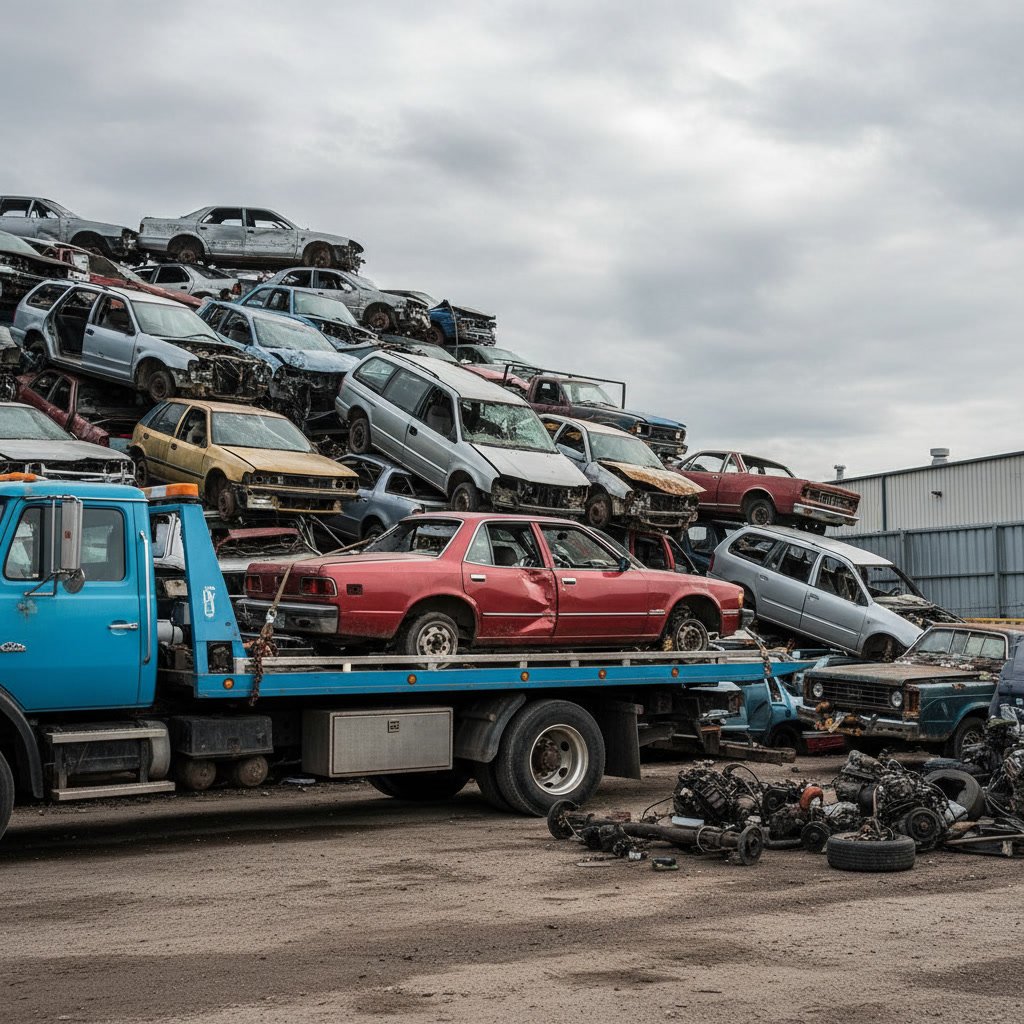
Complete vehicles with all major components intact typically bring higher offers than stripped frames. Engines, catalytic converters, transmissions, and aluminum wheels all contribute to the scrap value. Even vehicles with extensive rust or collision damage hold value because yards can harvest working components like alternators, starters, and suspension parts.
Services generally do not accept vehicles that have been completely gutted, burned to the frame, or contaminated with hazardous materials beyond normal fluids. If previous owners removed the engine, transmission, and all interior components, the remaining shell may not generate enough scrap value to justify the towing cost. However, most vehicles driven within the past 20 years retain sufficient material worth to qualify for removal.
Essential Documents You Need for Seattle Junk Car Pickup
The title stands as the single most important document for any vehicle transfer. Washington State requires a signed title to prove legal ownership before a removal service can take possession. If you lost the original, you must request a duplicate from the Department of Licensing before scheduling pickup.
Some buyers accept vehicles without titles if the car is 15 years old or older, but this varies by company policy. Having your driver’s license ready confirms your identity matches the name on the title. Keep a photocopy of the signed title for your records before handing over the original.
Registration documents help verify the vehicle identification number and model year, but the title carries the legal weight. If your car sat unregistered for several years, that typically does not prevent removal as long as the title remains in your possession and your name appears on it.
Removing Personal Belongings and Hidden Items
Start by clearing obvious items like phone chargers, sunglasses, and garage door openers from the cabin. Then check less obvious spots where valuables often hide. Pop open the center console and check under the armrest. Remove floor mats and look underneath for coins, keys, or small tools that slipped through gaps.
Open the trunk and remove the spare tire cover to check the wheel well. Many owners store emergency cash or important papers in that space and forget about them. Check seat-back pockets, sun visor pockets, and any aftermarket organizers attached to seats or doors.
Don’t forget to remove toll transponders, parking passes, and any electronic devices mounted to the windshield or dashboard. These items hold either financial value or personal data that should not end up in a salvage yard. Check the glove box one final time for insurance cards, maintenance records, and owner’s manuals you might want to keep.
Handling License Plates and Registration Stickers
Washington State law requires you to remove both license plates before transferring ownership. Use a standard screwdriver or socket wrench to unbolt the front and rear plates. Keeping your plates prevents someone from misusing them and protects you from liability if the vehicle gets involved in an incident after leaving your property.
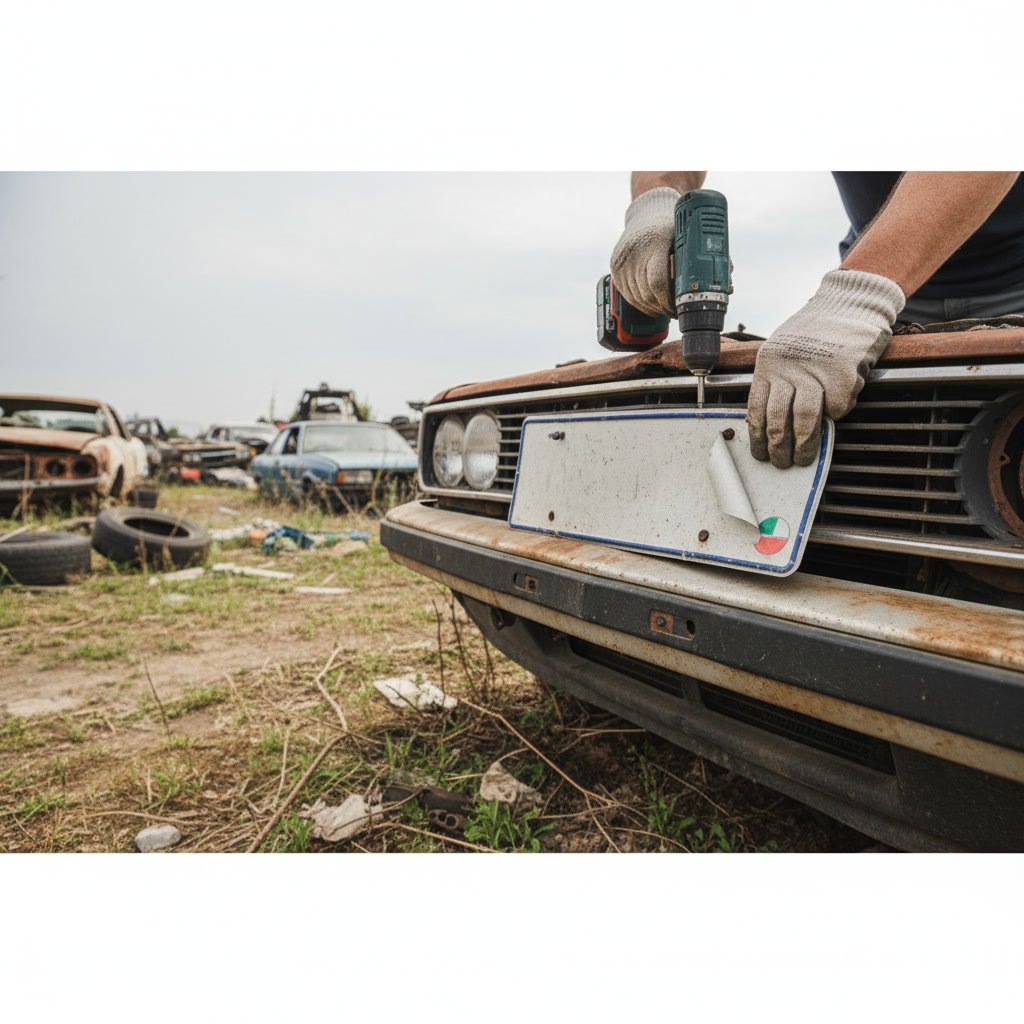
After removing the plates, you can either surrender them to a Department of Licensing office or destroy them. Cutting the plates in half with metal shears ensures no one can reattach them to another vehicle. If you plan to transfer the plates to a replacement vehicle, store them in a safe place until you complete that transaction.
Stickers on the windshield, such as inspection or emission test decals, do not need removal. The buyer takes responsibility for those once the title transfers. Focus your effort on the plates themselves, as those carry the most significant legal and financial risk.
What to Do About Fluids and Fuel
Professional removal services handle vehicles with fluids still inside. You do not need to drain oil, coolant, brake fluid, or transmission fluid before pickup. Tow operators and salvage yards have systems to manage these materials safely and comply with environmental regulations.
If your gas tank holds a significant amount of fuel, you may choose to siphon it for use in another vehicle. A quarter tank or less typically is not worth the effort, but a half tank or more represents real value you can reclaim. Use a manual siphon pump and transfer the fuel into approved containers, never into open buckets.
Do not attempt to drain other automotive fluids yourself unless you have proper equipment and disposal methods. Pouring oil or coolant onto the ground violates environmental laws and creates hazards. Let the removal service handle fluid disposal through their licensed channels.
Step-by-Step Preparation Checklist
Begin your preparation 24 to 48 hours before the scheduled pickup. Walk through each of these steps methodically to ensure nothing gets overlooked:
- Search the entire interior for personal items, checking under seats, in storage compartments, and inside door pockets.
- Remove all aftermarket accessories such as GPS units, dash cams, phone mounts, and stereo faceplates.
- Locate your title and verify your name matches the ownership record exactly as printed.
- Unbolt and remove both license plates, storing them for surrender or destruction.
- Clear the trunk and check the spare tire compartment for tools, emergency kits, or hidden valuables.
- Cancel any automatic insurance payments scheduled after the pickup date.
- Take photos of the vehicle from multiple angles for your records.
- Confirm the pickup time and location with the removal service one day in advance.
Following this sequence ensures every critical task gets completed before the tow truck arrives. Taking photos provides documentation of the vehicle’s condition at the time of transfer, which can resolve disputes if questions arise later about what was included or the state of the car.
Common Items That Reduce Your Vehicle Value
Leaving certain items attached to your junk car does not increase its value and may actually reduce what buyers offer. Aftermarket stereo systems, custom wheels, and performance parts often hold more resale value when sold separately than when left on the vehicle. A quality set of alloy wheels might fetch 200 to 400 dollars through private sale but adds little to the scrap quote.
Similarly, expensive car seats, high-end floor liners, and cargo organizers bring better returns when removed and sold individually. Salvage yards pay for metal weight and core components, not for accessories. Take a few minutes to unbolt valuable add-ons and recoup that investment through classified ads or online marketplaces.
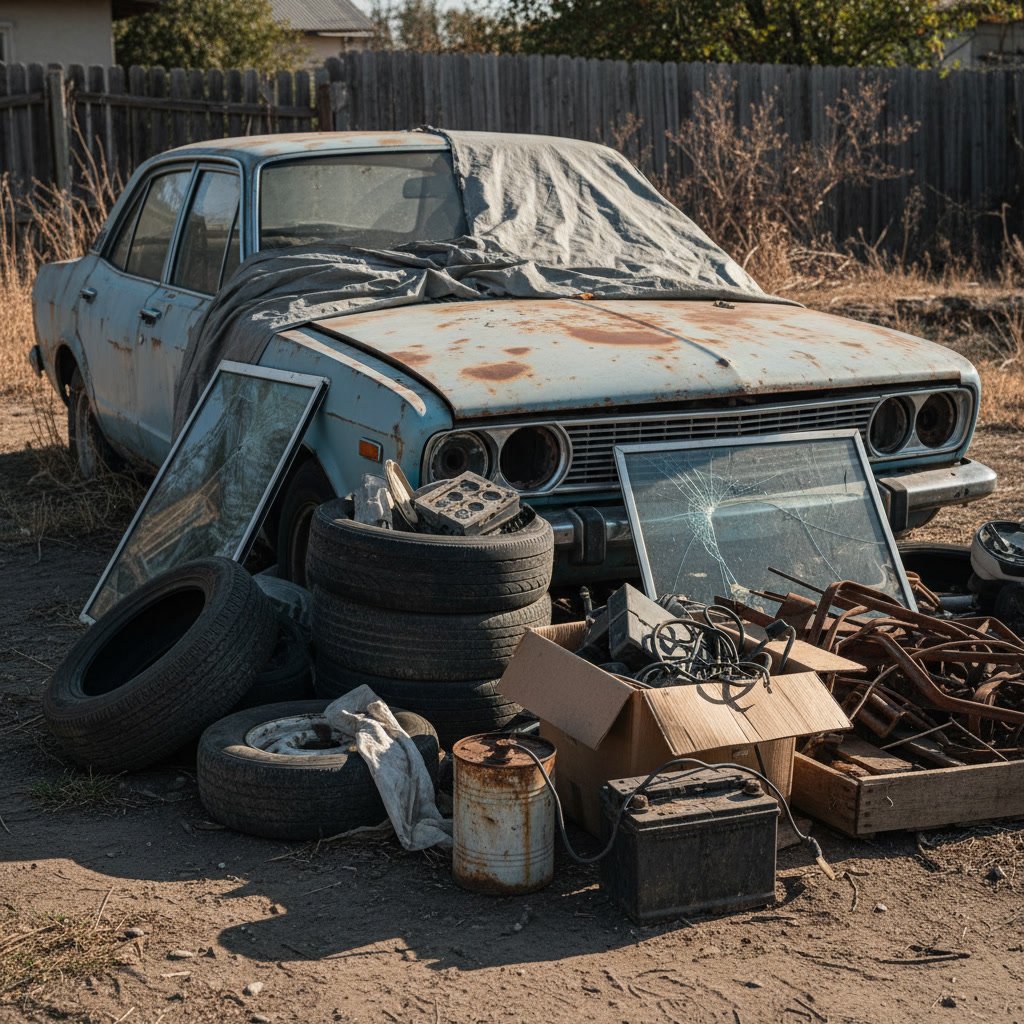
One exception involves catalytic converters. While these parts hold significant value due to precious metal content, they remain part of the exhaust system and contribute to the overall offer. Attempting to remove a catalytic converter yourself poses safety risks and requires cutting tools. Let the removal service handle that component as part of the vehicle package.
How Removal Services Handle Different Vehicle Conditions
Companies equipped for junk removal bring specialized equipment to manage non-running vehicles. Flatbed trucks work best for cars with seized wheels or severe frame damage. Wheel-lift systems handle vehicles that roll freely but won’t start. Knowing your vehicle’s condition helps the service send the right equipment and complete the pickup efficiently.
If your car sits on flat tires or the parking brake is locked, mention that when scheduling. Operators can bring tire dollies or skates to move the vehicle onto the truck. Vehicles buried in tall grass or parked on soft ground may require a winch to pull them to a loading position. Providing accurate details about access and condition prevents delays when the crew arrives.
Most roadside assistance providers also offer junk removal as part of their service portfolio. This gives you a single point of contact for both emergency towing and planned vehicle disposal. The same crews who handle accident recovery and breakdowns often manage junk car pickups using the same equipment and expertise.
What Happens After the Tow Truck Leaves
Once the vehicle is loaded and the title signed over, the removal company takes full responsibility. The car typically goes to a salvage yard where workers drain fluids, remove valuable components, and crush the remaining frame for scrap metal recycling. This process usually takes two to four weeks depending on yard volume.
You should receive payment either at the time of pickup or within a few business days, depending on the company’s policy. Keep all transaction records including the signed title transfer and any receipt provided. These documents prove you no longer own the vehicle and protect you from liability for parking tickets or other issues that might arise.
Notify your insurance company immediately after the pickup to cancel coverage and stop premium payments. Contact the Department of Licensing to complete a vehicle sale notification, which formally documents the ownership transfer in state records. This step is critical because it removes your name from the vehicle’s registration and prevents future liability.
Making the Junk Car Removal Process Work for You
Preparing your vehicle properly transforms what could be a stressful experience into a straightforward transaction. By gathering documents, removing personal items, and understanding what removal services accept, you eliminate common obstacles that delay pickup or reduce your payout. Taking these steps demonstrates professionalism and makes the entire process smoother for both parties.
The few hours invested in preparation often result in faster service, better communication, and higher satisfaction with the overall experience. Whether your vehicle suffered mechanical failure, collision damage, or simply reached the end of its useful life, proper preparation ensures it exits your property efficiently. Similar to how drivers benefit from understanding the best ways to handle vehicle disposal, taking time to prepare properly pays dividends when removal day arrives.
Pinocchio Towing LLC handles junk car removal throughout the greater Seattle area with the same technical precision and transparency that defines all our services. Our crews arrive equipped to manage vehicles in any condition, from running cars to completely disabled frames. We complete the entire process efficiently while ensuring you receive fair value and professional service from start to finish. Contact us at +1 206-202-0009 to schedule your pickup and experience the difference that honest work and technical expertise make in every removal we complete.