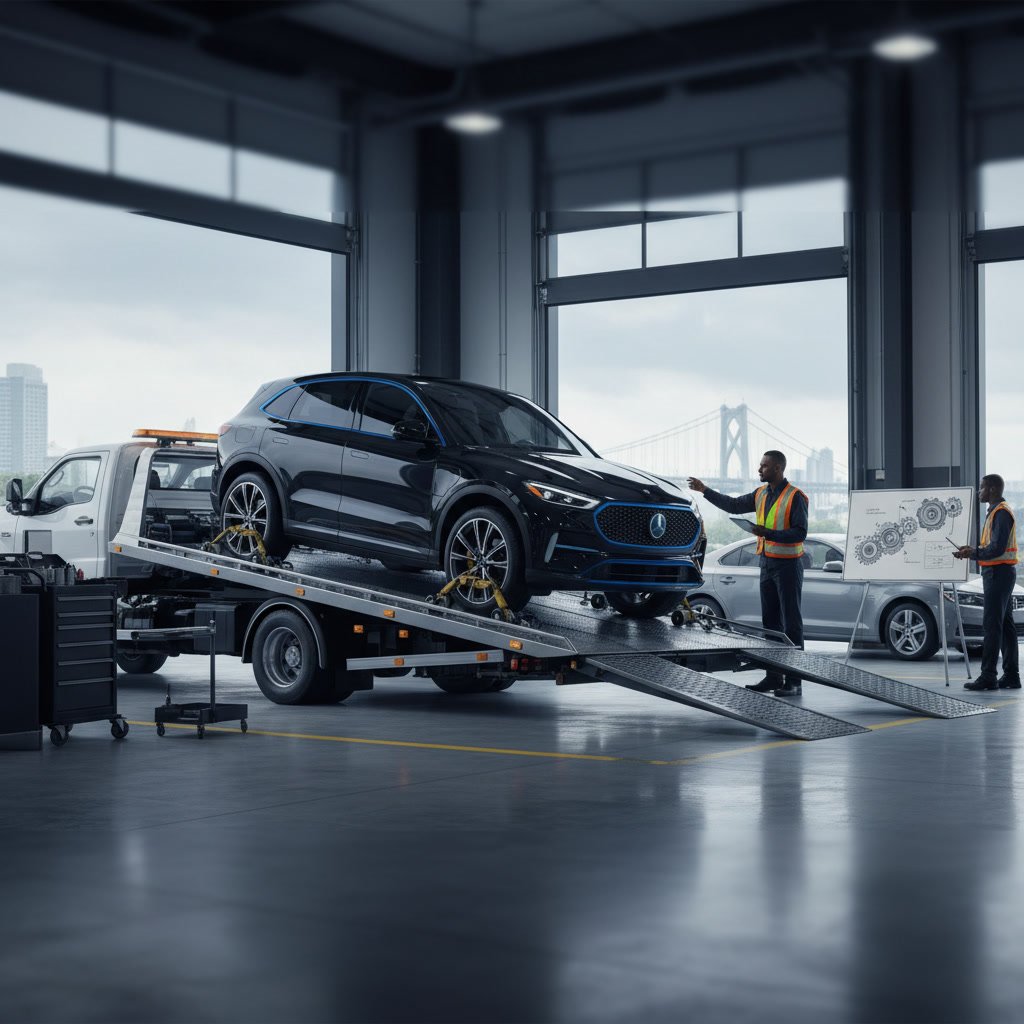
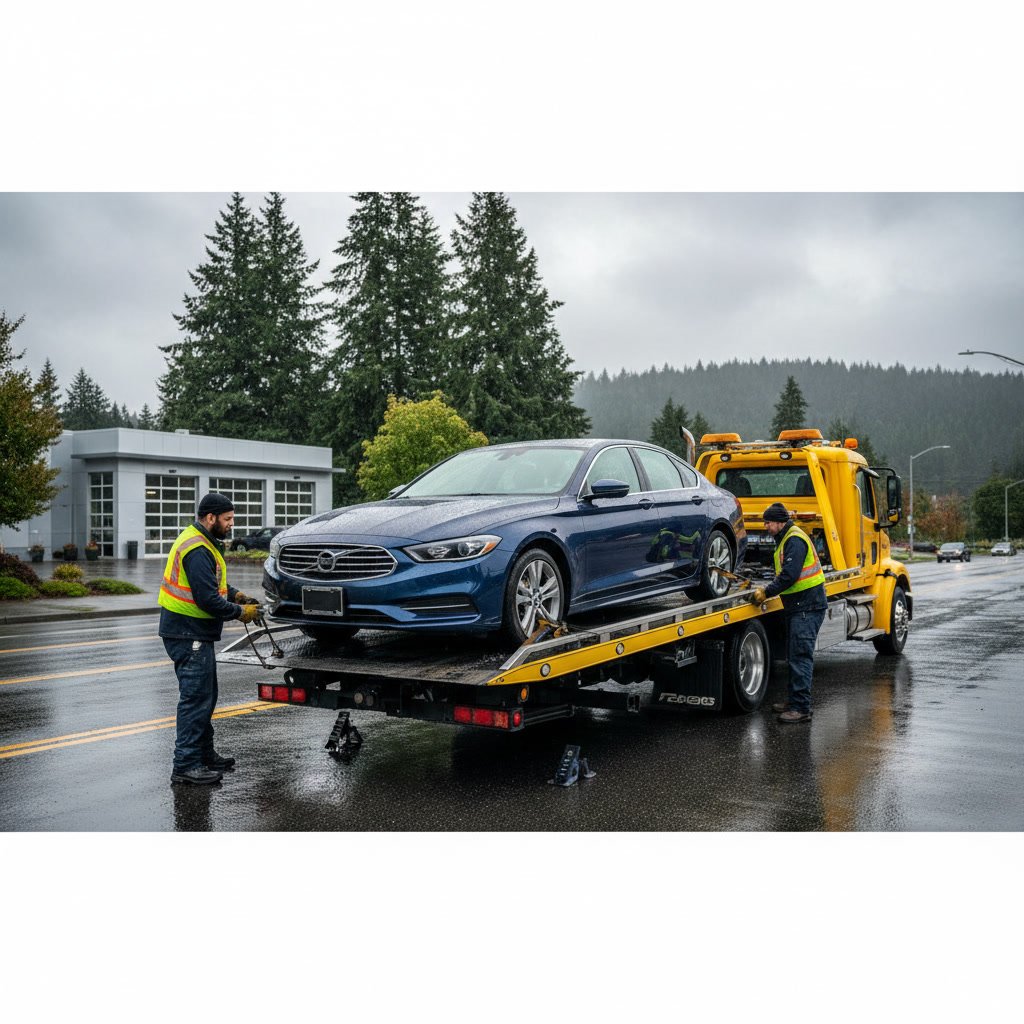
When your vehicle breaks down or needs transport, knowing how to prepare it correctly can mean the difference between a smooth experience and costly damage. Whether you’re dealing with a mechanical failure, an accident, or need to move a non-operational vehicle, proper preparation for car towing Redmond services protects both your vehicle and your wallet. Most towing damage occurs not from the tow itself, but from inadequate preparation before the truck arrives.
This guide walks you through every step needed to prepare your car for towing in Redmond, from what to remove to how to document your vehicle’s condition. These practical steps apply whether you’re arranging roadside assistance on Highway 520 or scheduling a planned transport.
Why Proper Preparation Matters Before Car Towing
Vehicle towing places different stresses on your car than normal driving. Without proper preparation, loose items can shift and cause interior damage, fluids can leak, or external components can scrape during loading.
Insurance claims related to towing often stem from items left inside the vehicle or failure to secure movable parts. Taking 10 to 15 minutes to prepare your car properly eliminates most common problems and gives you documentation if issues do arise.
Professional tow operators appreciate prepared vehicles because it allows them to work more safely and efficiently. When you handle the preparation steps outlined below, the entire process moves faster and reduces risk for everyone involved.
Document Your Vehicle’s Current Condition
Before any tow truck touches your car, create a visual record of its current state. Use your phone to take clear photos of all four sides, the front, rear, roof, and undercarriage if visible.
Pay special attention to existing damage like scratches, dents, or cracked glass. Photograph the odometer reading and any dashboard warning lights that are illuminated.
These photos serve as proof of your vehicle’s pre-towing condition. While reputable towing companies take care to prevent damage, documentation protects you if questions arise later about when damage occurred.
Date-stamp your photos if possible, or send them to your email immediately so the timestamp is recorded. Keep this documentation until your vehicle reaches its destination and you’ve inspected it thoroughly.
Remove or Secure All Loose Items
The interior of your vehicle will experience movement during loading, transport, and unloading. Items that seem secure while parked can become projectiles when the car tilts on a flatbed or shifts during transport.
What to Remove Completely
Take out anything valuable, fragile, or important. This includes phones, tablets, GPS devices, sunglasses, loose change, toll passes, garage door openers, and any aftermarket electronics.
Remove items from the glove box and center console that could spill out. Insurance rarely covers personal property inside a towed vehicle, so consider everything inside at risk if you leave it.
Clear out the trunk as well. Spare tires and jacks that came with the vehicle can stay, but remove groceries, tools, sports equipment, and anything that could roll around or leak.
Items That Must Stay Secured
If you must leave items inside, secure them in closed compartments. Lock the glove box if it has a lock. Place essential items in a sealed container in the trunk, wedged tightly so it cannot move.
Floor mats should lie flat and stay in position. Loose mats can slide under pedals or bunch up during loading, potentially causing issues if the tow operator needs to steer or brake your vehicle.
Address Fluid Leaks and Mechanical Issues
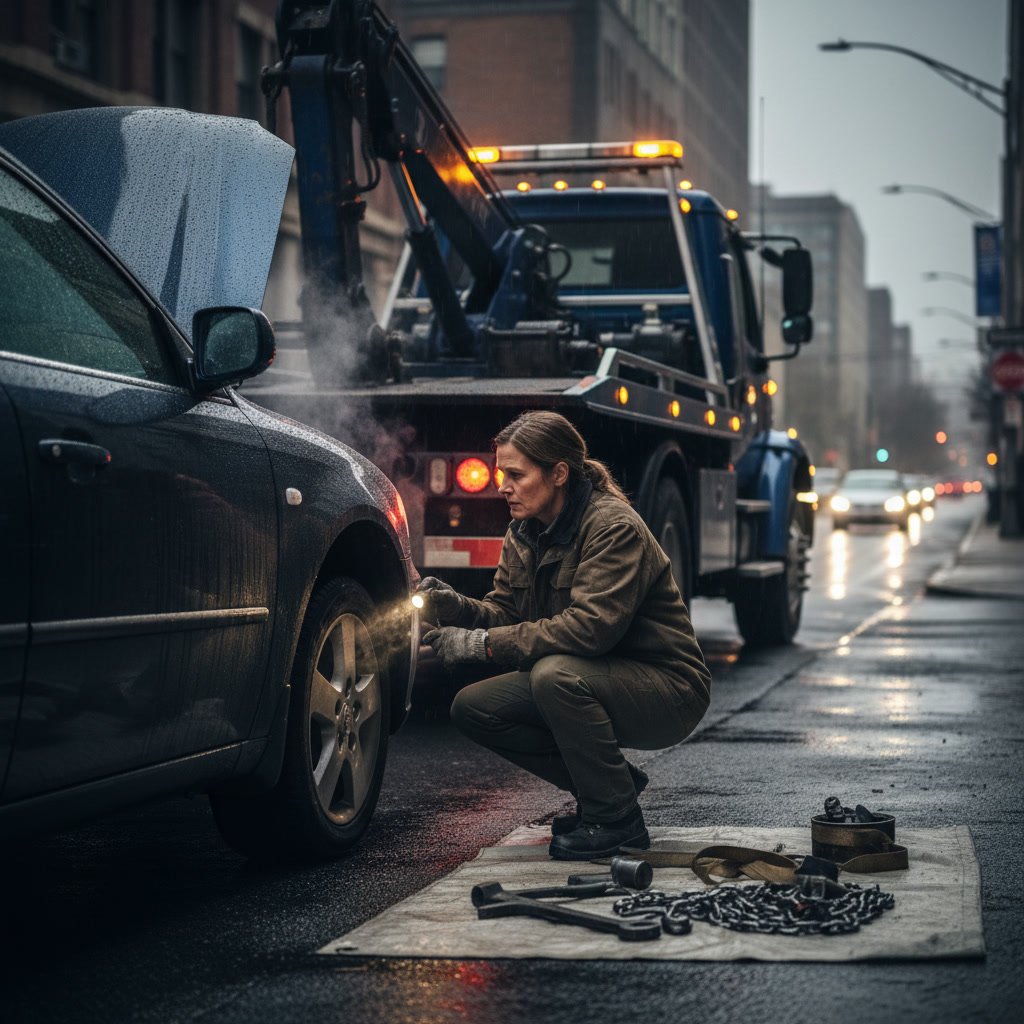
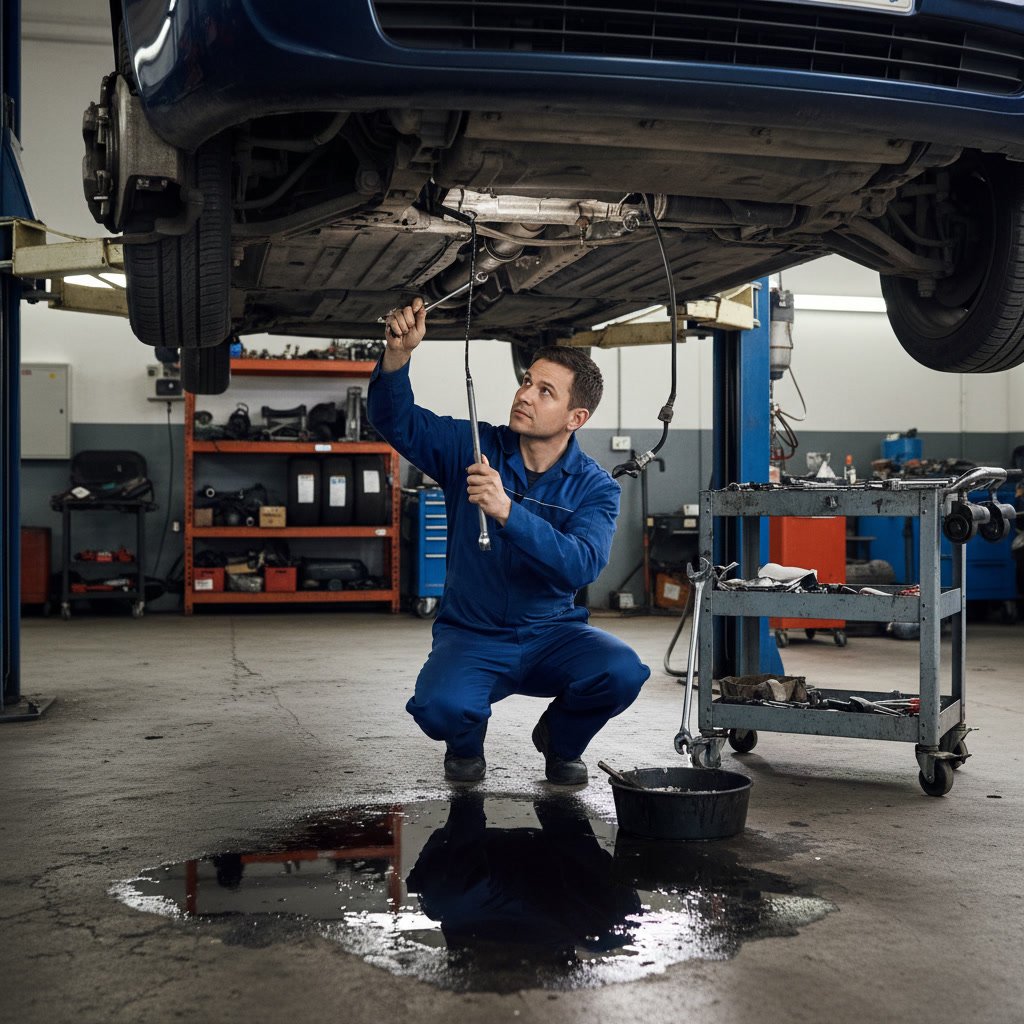
If your car is leaking fluids, inform the tow operator immediately when you call. Oil, coolant, and transmission fluid leaks can create hazards during transport and may require special handling.
For significant leaks, place cardboard under the vehicle before the tow truck arrives so the operator can see the extent of the problem. This helps them choose the correct equipment and approach.
If your steering or brakes are not functioning, mention this during booking. Cars with steering or brake failures require special towing methods, typically a flatbed rather than a wheel-lift or dolly system.
For vehicles that won’t shift into neutral, the tow operator needs to know in advance. This affects how they’ll load and secure your car, and attempting to force a stuck transmission can cause expensive damage.
Prepare the Exterior and Access Points
Check that all doors, windows, and the trunk close securely. If a door won’t latch properly, tie it closed with rope or bungee cords, but inform the tow operator so they don’t attempt to open it.
Retract or Remove Antennas and Accessories
Power antennas should be fully retracted. If you have a removable antenna, take it off and store it inside the vehicle in a secure location.
Fold in side mirrors if they’re the manual type. Power mirrors are generally fine in their normal position, but check that they’re not extended unusually far.
Remove or secure any aftermarket accessories like bike racks, cargo carriers, or spoilers that could catch during loading. Temporary attachments are especially vulnerable and should come off entirely.
Check Tire Pressure and Parking Brake
If your tires hold air, make sure they’re inflated to at least the minimum safe pressure. Extremely low or flat tires make loading difficult and can be damaged further during the process.
Disengage the parking brake unless the tow operator specifically asks you to set it. Most car towing Redmond procedures require the parking brake to be off so the vehicle can roll onto the flatbed or be secured properly.
Provide Clear Information About Your Vehicle
When you call for service, accurate information helps the tow company send the right equipment. Telling them you have a “car” when you actually drive a lifted truck or low-clearance sports car can lead to delays.
Provide the year, make, model, and any modifications that affect towing. Lowered suspensions, oversized tires, all-wheel drive systems, and custom body kits all impact how your vehicle must be handled.
If your vehicle has been modified with a lift kit or has a particularly low front spoiler, mention it when booking. These details determine whether a standard wheel-lift or a specialized flatbed is needed.
Describe your location accurately, including cross streets, landmarks, or parking structure details. The faster the operator finds you, the sooner you’re back on your way. If you’ve experienced other issues with your vehicle recently, you might find our article on emergency roadside assistance in Redmond helpful for future reference.
Understand What the Tow Operator Needs From You
Have your driver’s license, vehicle registration, and insurance information ready. The tow operator will need to verify ownership and document the service properly.
If someone else owns the vehicle, have their written permission available. Towing companies cannot legally take a vehicle without proof of ownership or authorized consent.
Provide keys to the operator even if your car won’t start. They need access to release the parking brake, shift into neutral, or steer during loading.
Stay available by phone during the entire process. If the operator encounters unexpected issues like a seized transmission or discovers your vehicle is lower than described, they may need to call you for decisions about how to proceed.
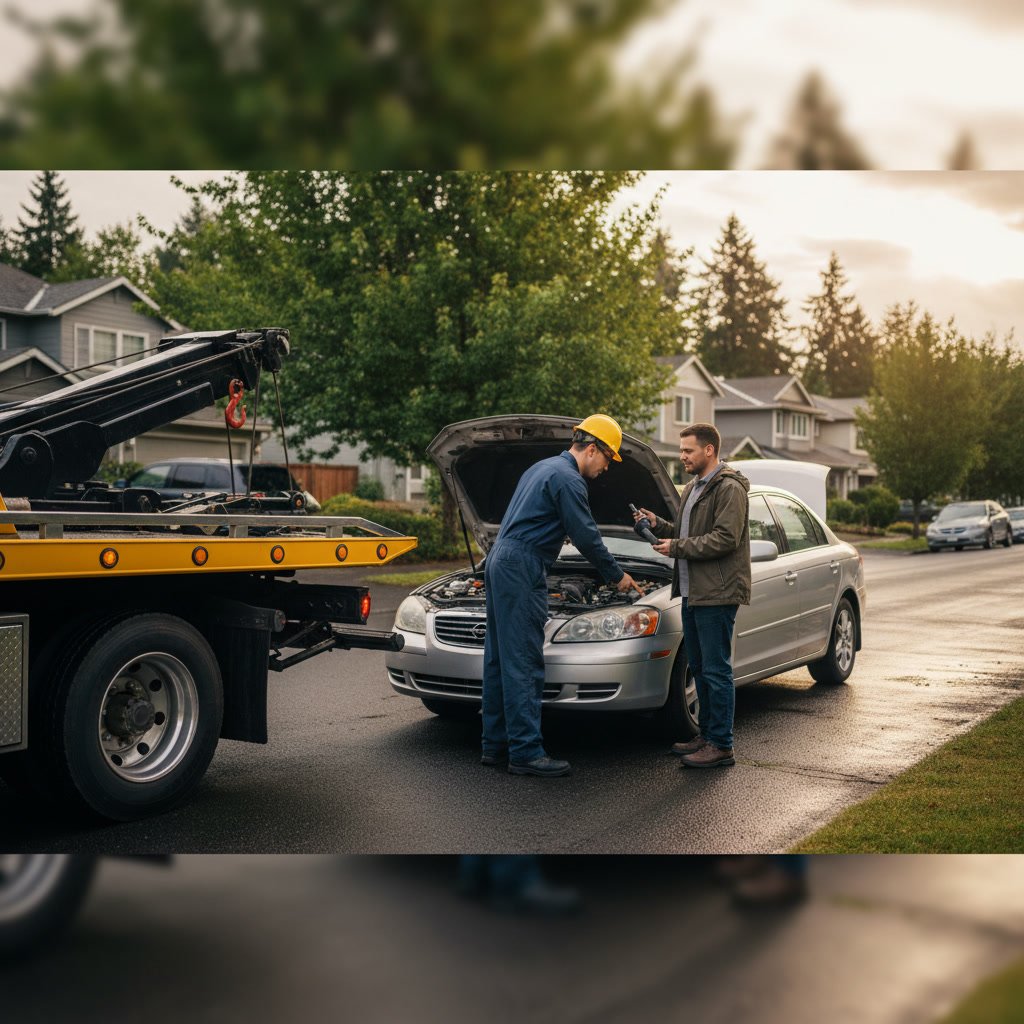
Special Considerations for Different Towing Situations
Different circumstances require different preparation approaches. A planned transport of a project car differs significantly from an emergency tow after an accident.
Accident or Collision Towing
If your vehicle was involved in an accident, additional steps apply. Do not attempt to remove deployed airbags or disconnect the battery if you’re unsure how to do so safely.
Take extensive photos of the accident damage from every angle before the tow truck moves your car. These photos become critical for insurance claims and accident reports.
Collect all debris that belongs to your vehicle, like broken light covers, trim pieces, or the license plate if it detached. Place these items in your trunk or take them with you.
Long-Term or Cross-Country Towing
For longer distances, reduce your fuel tank to one-quarter full or less. This lightens the vehicle and reduces fire risk, though you should never let it run completely empty.
Disconnect or remove custom electronics like aftermarket stereos or radar detectors. Vibration during long transport can damage sensitive electronics or shake loose improperly installed components.
Consider disabling your alarm system if you have one. Alarms can activate during loading or transport, creating problems for the driver and draining your battery.
Non-Running or Abandoned Vehicles
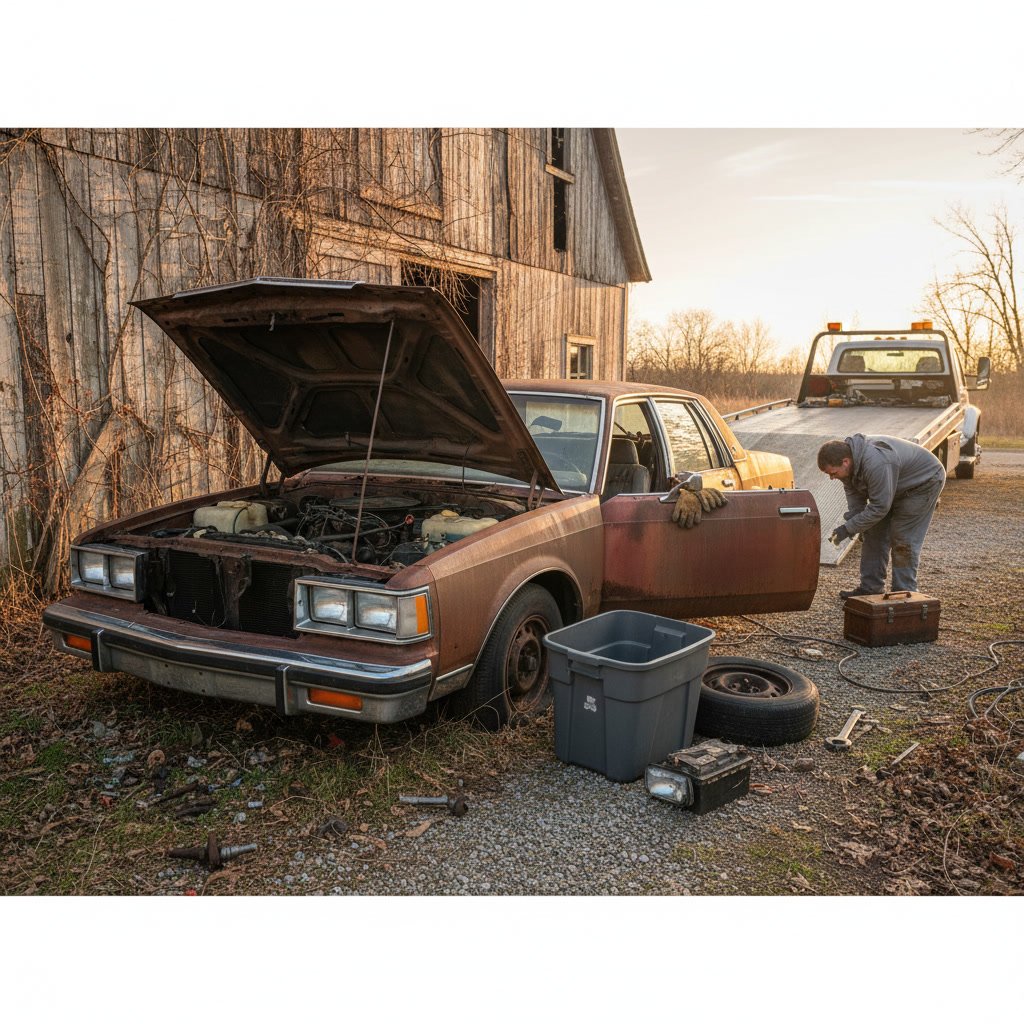
If your car hasn’t run in months or years, warn the operator that tires may be flat, brakes might be seized, or the steering could be locked. These vehicles often require winching onto the flatbed.
Clear any vegetation, debris, or objects from around the vehicle. Tow operators need clear access on at least two sides to position their equipment safely.
If you’re removing a project car or need to clear an old vehicle, you might want to explore options outlined in our guide about selling or removing junk cars, as the preparation steps differ slightly.
What to Expect During the Actual Towing Process
When the tow truck arrives, the operator will inspect your vehicle and confirm it matches what you described. They’ll walk around looking at tire condition, clearance, and identifying the best attachment points.
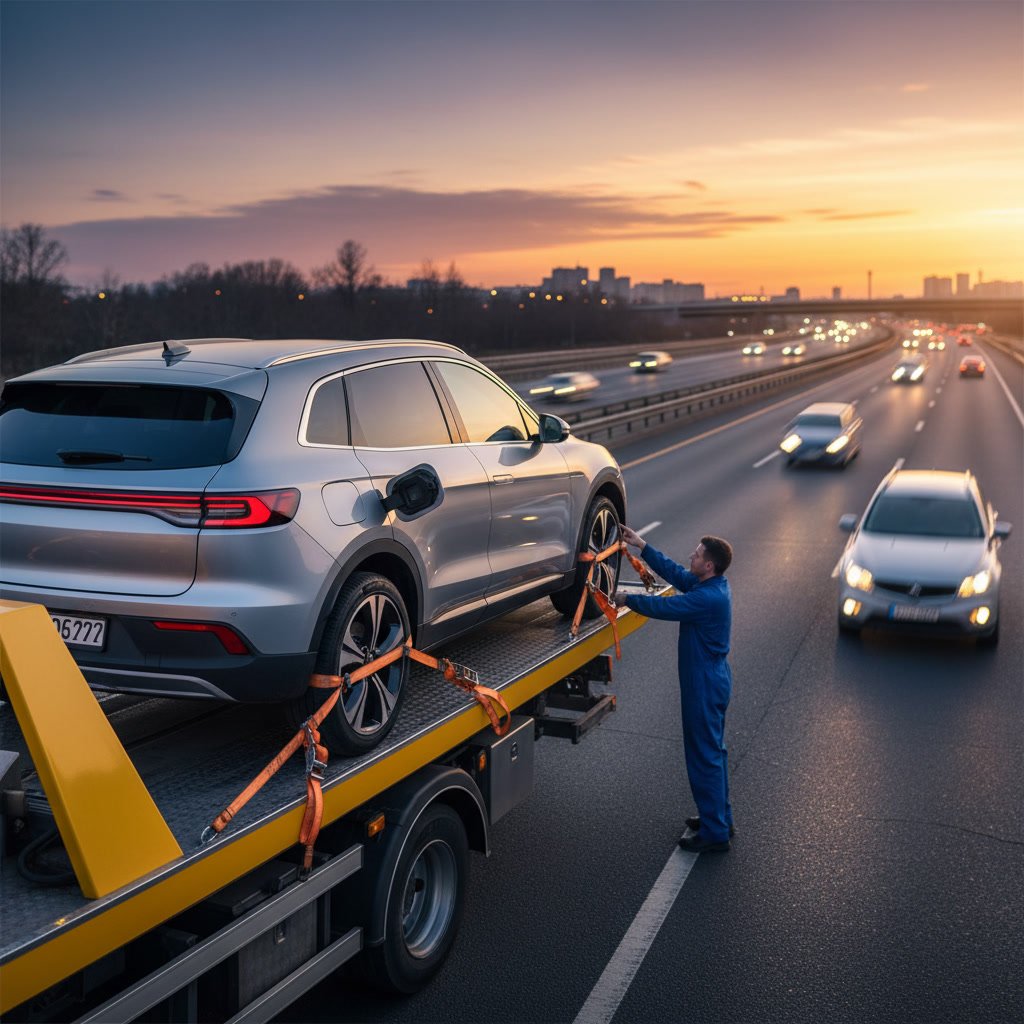
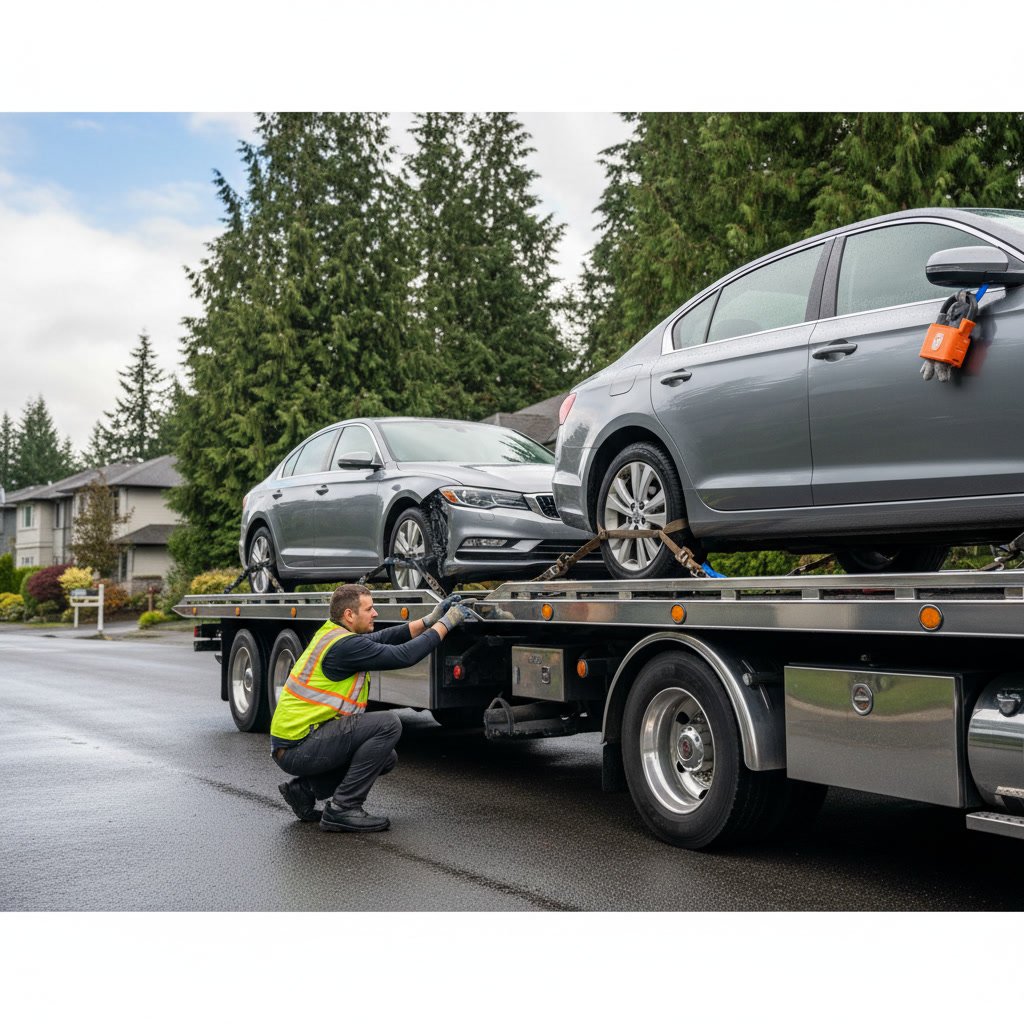
For flatbed towing, the operator tilts the bed down and either drives or winches your vehicle onto it. They’ll then secure it with chains or straps at specific frame points designed to handle the load.
Watch where the operator attaches securing equipment. Proper attachment points are typically on the frame, not on suspension components or body panels. Professional operators know exactly where these points are located on different vehicle types.
The entire loading process typically takes 10 to 20 minutes for a straightforward tow. Complex situations like low-clearance vehicles, tight parking spaces, or mechanical issues may take longer.
Pro Tip: Ask the operator to show you how your vehicle is secured if you have concerns. Reputable towing professionals are happy to explain their process and show you the attachment points they’re using.
After Your Vehicle Is Loaded
Before the tow truck leaves, confirm the destination address with the operator. Verify they have the correct phone number to reach you if issues arise during transport.
Get a written receipt or service ticket that includes the operator’s name, truck number, your vehicle’s description, the pickup location, destination, and time. This documentation protects you if disputes arise.
Take a final photo of your vehicle secured on the flatbed. This shows the condition when it left your care and provides a timestamp for when the tow occurred.
If you’re not riding along, arrange transportation for yourself. Many tow trucks can only accommodate the driver, and some insurance policies or towing contracts prohibit passengers for liability reasons.
Frequently Asked Questions
Should I leave my keys with the tow truck driver?
Yes, the tow operator needs your keys to shift the transmission into neutral, release the parking brake, and steer during loading. Reputable companies will give you a receipt acknowledging they have your keys. If you’re uncomfortable, you can remove your house keys from the ring and only provide the car key.
Can I leave items in my car during towing in Redmond?
While you technically can leave items secured in closed compartments, it’s not recommended. Towing companies typically disclaim responsibility for personal property inside vehicles. Remove anything valuable, important, or fragile before the tow truck arrives to avoid loss or damage.
What if my car has all-wheel drive or four-wheel drive?
All-wheel drive and four-wheel drive vehicles almost always require flatbed towing to prevent drivetrain damage. Towing with two wheels on the ground can destroy the transfer case or transmission on AWD systems. Always mention your drivetrain type when booking car towing Redmond services so the correct equipment arrives.
How do I know if my vehicle is too damaged to tow normally?
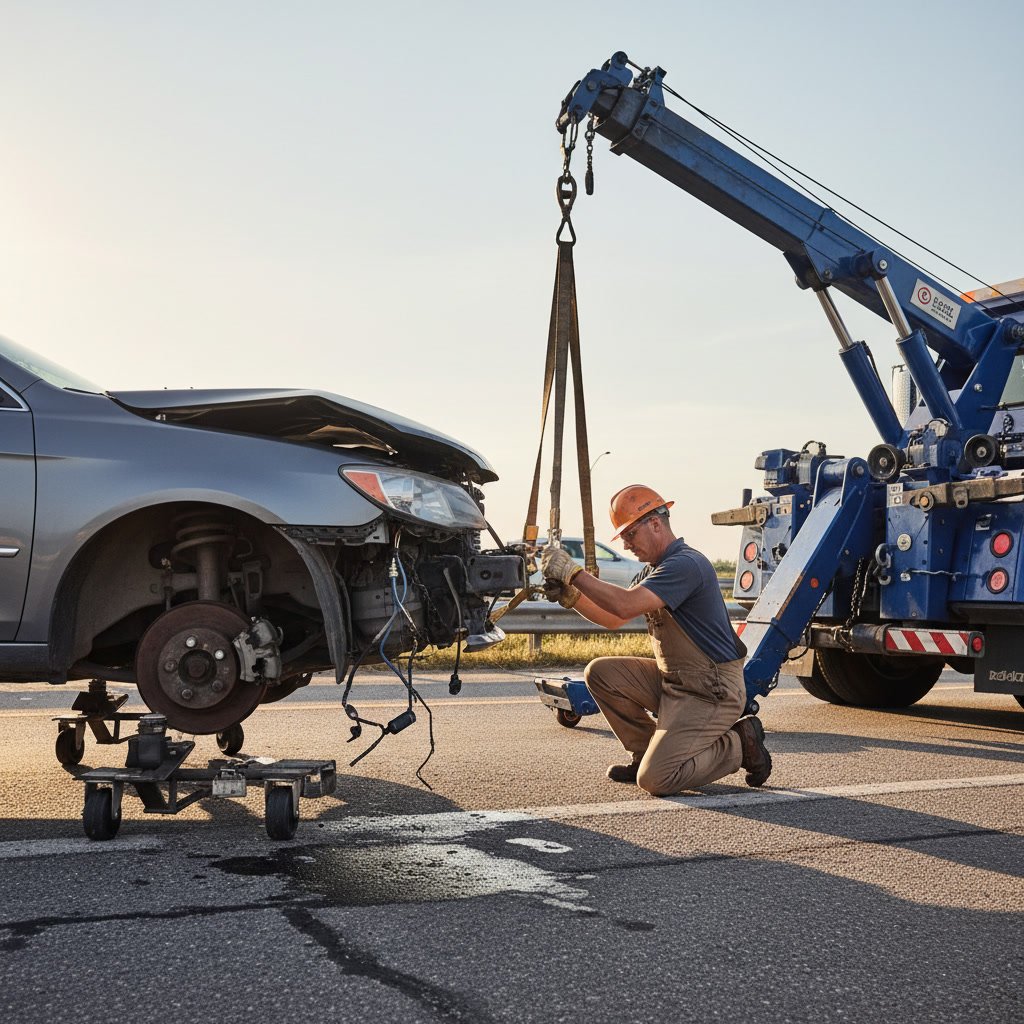
If your wheels don’t roll freely, the frame is severely bent, or parts are dragging on the ground, special equipment may be needed. Describe the damage honestly when you call, and the dispatcher will determine whether standard towing works or if specialized recovery equipment is required. For severe accident situations, additional rigging or a heavy-duty wrecker may be necessary.
Do I need to be present when the tow truck arrives?
If possible, yes. Being present allows you to provide keys, answer questions about the vehicle, and verify its condition before and after loading. If you absolutely cannot be there, arrange for someone else to meet the operator with keys and documentation, or discuss alternative arrangements when you book the service.
Choosing the Right Towing Service in Redmond
The preparation steps above work best when paired with a professional towing company that uses proper equipment and trained operators. Look for services that offer flatbed towing, maintain 24-hour availability, and employ experienced drivers familiar with local roads.
Transparent pricing matters too. Companies that provide upfront quotes and explain their rates help you avoid surprise charges. Services that prioritize communication keep you informed throughout the process, from dispatch to delivery.
Pinocchio Towing LLC has served Redmond and surrounding areas since 2020, building a reputation on technical expertise and straightforward service. Our operators handle everything from basic breakdowns to complex recovery situations with the same attention to vehicle protection.
Getting Professional Car Towing Service in Redmond
When you need reliable car towing Redmond service, proper preparation protects your vehicle and speeds the process. By documenting condition, removing loose items, providing accurate vehicle information, and understanding what your tow operator needs, you set the stage for a smooth experience.
Whether you’re dealing with a breakdown on SR 520, need to move a non-running vehicle, or require transport after an accident, following these preparation steps minimizes risk and ensures your car arrives safely at its destination.
Pinocchio Towing LLC provides professional towing and roadside services throughout Redmond, Kirkland, Seattle, Edmonds, and Everett 24 hours a day. Our flatbed trucks and experienced operators handle vehicles of all types with the care and technical precision your car deserves. Call +1 206-202-0009 when you need dependable service that puts your vehicle’s protection first.