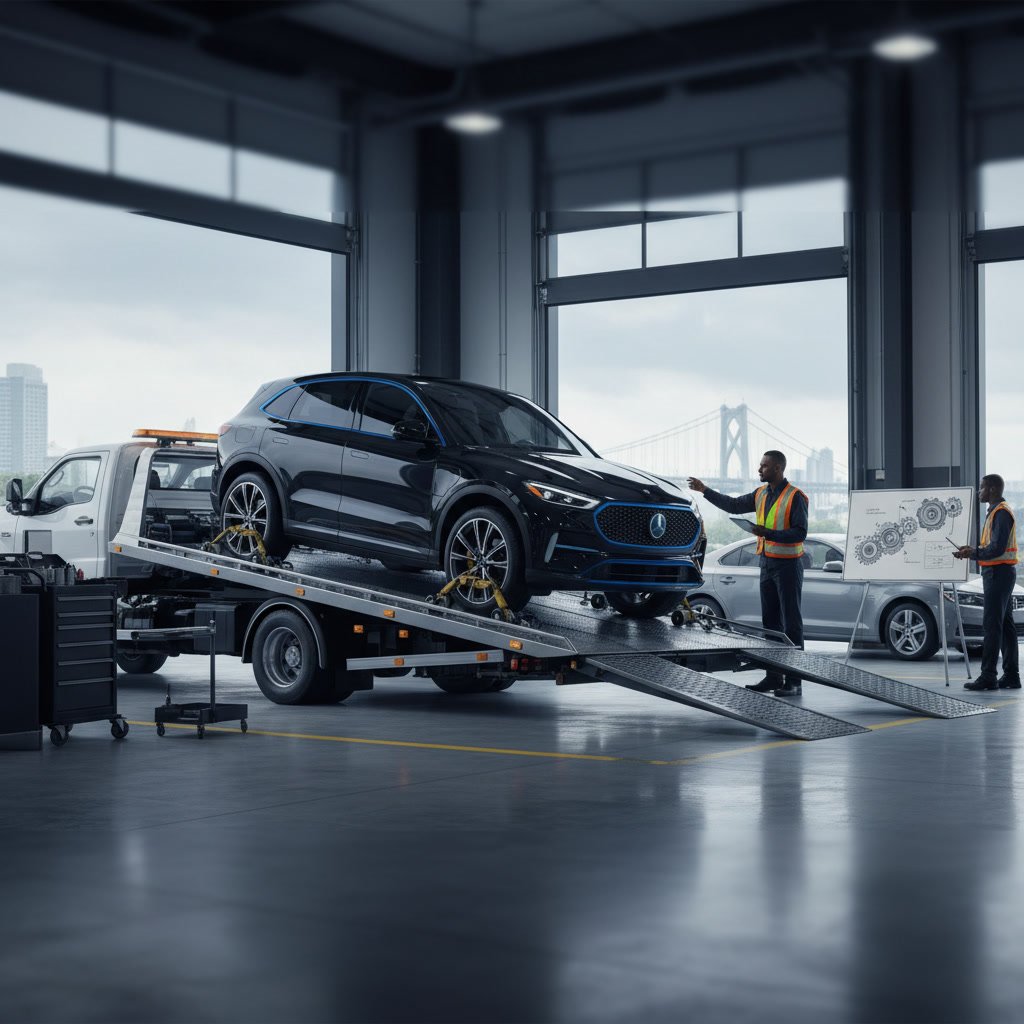
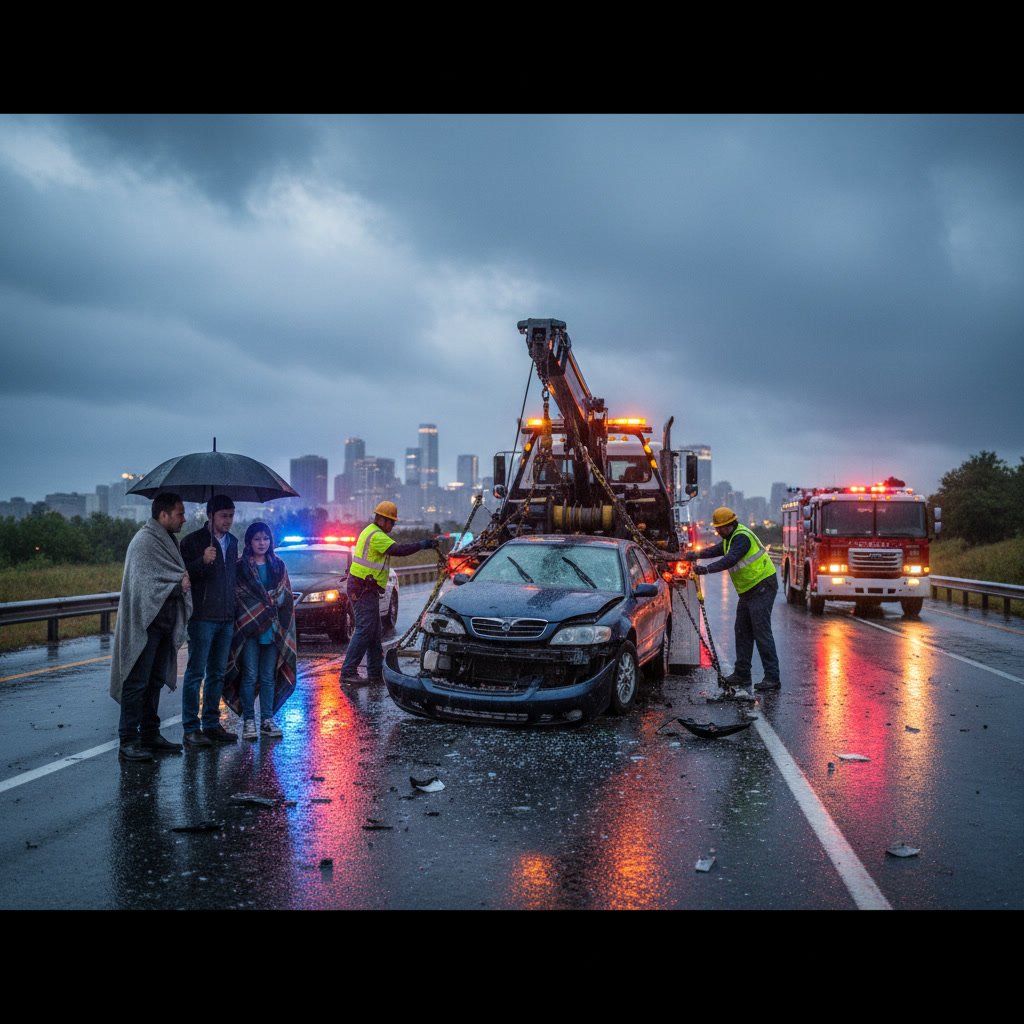
When you call for emergency towing accident services, a trained dispatcher logs your location, assesses vehicle damage, and dispatches the nearest tow truck equipped for accident recovery within minutes. The driver secures your vehicle using specialized equipment, verifies insurance details, and transports your car to a repair facility or storage lot while documenting the condition to protect you from liability disputes. You receive real-time updates and a detailed receipt showing pickup and drop-off times, mileage, and fees.
Car accidents create chaos. Your heart races, adrenaline spikes, and suddenly you need to make critical decisions while standing beside a damaged vehicle. Knowing what unfolds during the towing process removes one layer of stress from an already difficult moment.
Why Immediate Towing Is Often Required After a Collision
Traffic laws in Washington State mandate vehicle removal when a car blocks roadways, creates safety hazards, or cannot operate under its own power. Law enforcement officers often set strict timeframes for clearance, especially on highways and major arterials. Delayed removal can result in citations, additional fees, or forced impound by municipal contractors.
Damaged vehicles leak fluids, obstruct emergency lanes, and increase the risk of secondary collisions. Professional towing companies carry absorbent materials, traffic cones, and warning lights to mitigate these dangers while preparing your car for transport. The faster a trained crew arrives, the sooner the scene becomes safe for other drivers.

What the Dispatcher Asks During Your First Call
The dispatcher needs precise information to send the right equipment. Expect questions about your exact location using cross streets or GPS coordinates, the make and model of your vehicle, whether it has all-wheel drive or low ground clearance, the extent of visible damage, and whether airbags deployed. This data determines whether a flatbed, wheel-lift, or heavy-duty wrecker responds.
You will also be asked if anyone sustained injuries, if police are on scene, and where you want the vehicle delivered. Having your insurance policy number ready speeds up the process, though it is not required to initiate dispatch. Clear answers during this call directly impact response time and service accuracy.
How Quickly a Tow Truck Arrives in Seattle
Response times vary by location, time of day, and fleet availability. In urban Seattle neighborhoods, professional services often arrive within 20 to 35 minutes during off-peak hours. Rush hour or severe weather can extend that window to 45 minutes or longer. Highway accidents typically receive priority dispatch due to traffic safety concerns.
Reputable companies provide estimated arrival times during the initial call and update you if delays occur. Drivers carry GPS-enabled devices that allow dispatchers to track real-time positioning and reroute if a closer truck becomes available. The goal is to minimize your roadside exposure while maintaining safe driving practices.
Step-by-Step Process Once the Tow Truck Reaches Your Vehicle
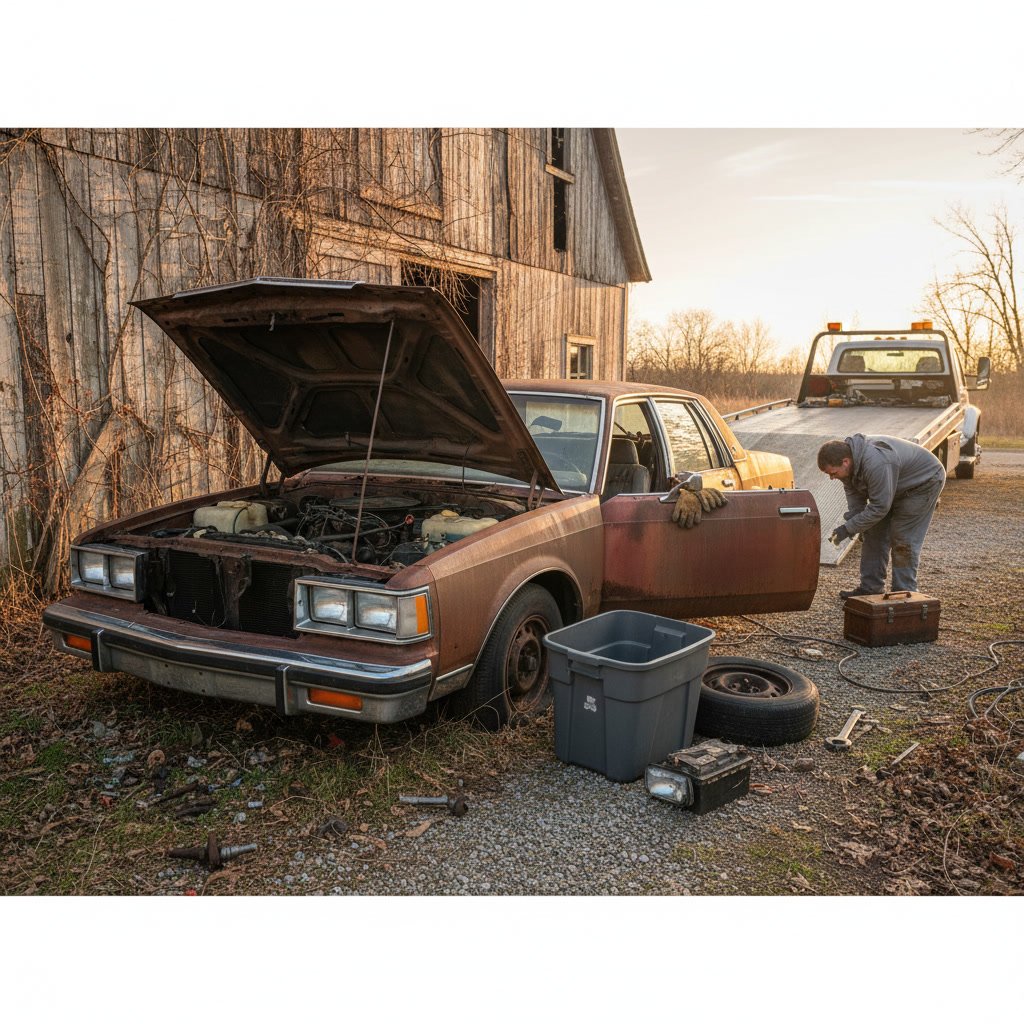
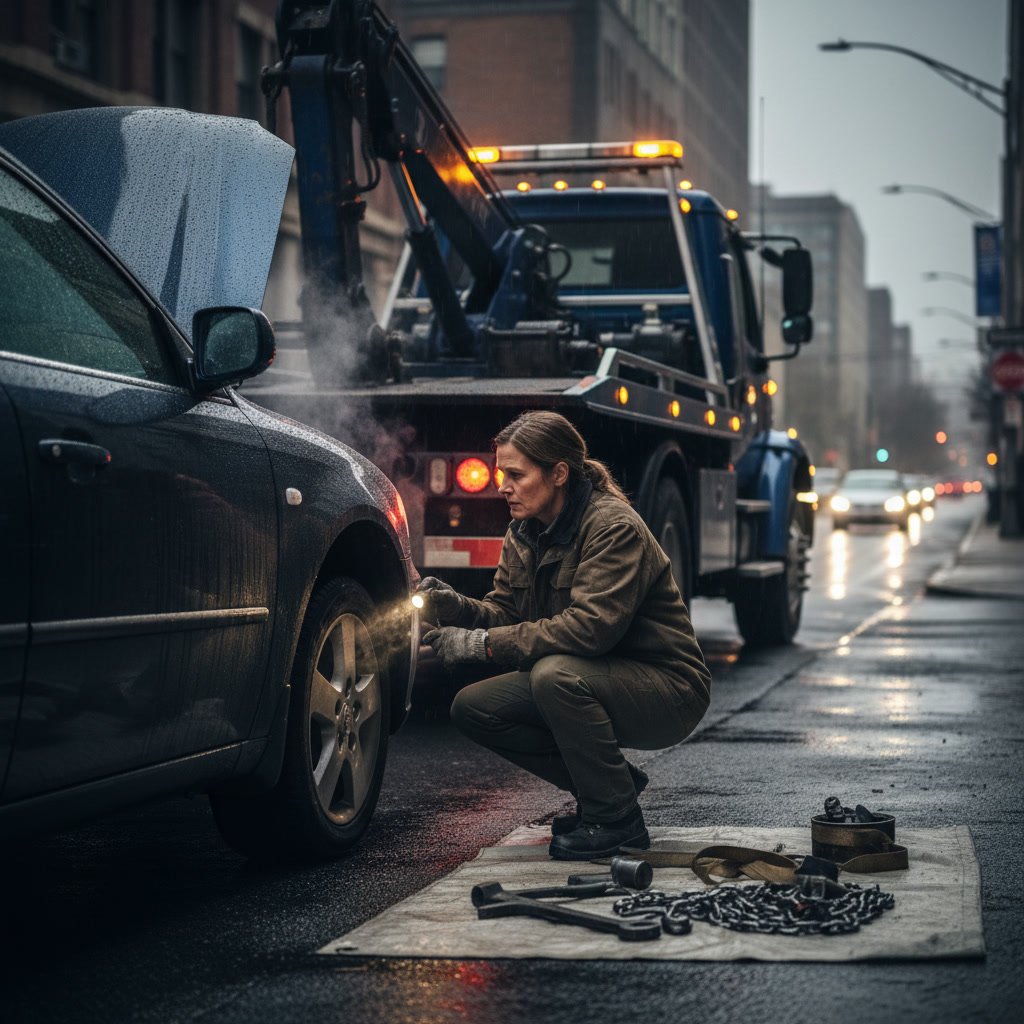
The driver first assesses the scene for safety hazards and positions the truck to shield your vehicle from oncoming traffic. They will introduce themselves, verify your identity, and confirm the destination address. Before touching your car, they document existing damage with photographs and notes to establish a baseline condition report.
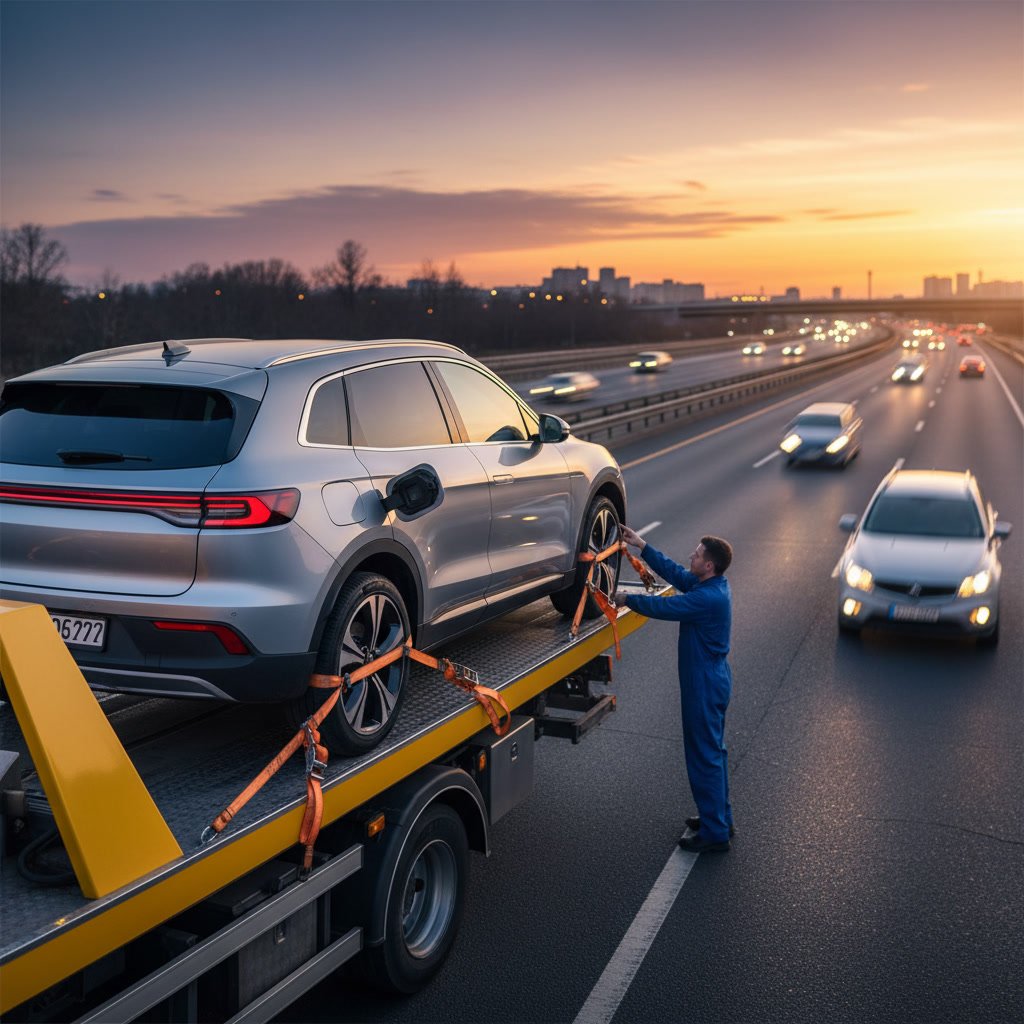
Next, the driver selects the appropriate towing method based on damage patterns. Flatbed transport protects vehicles with front-end collisions, transmission issues, or deployed airbags. Wheel-lift towing works for rear-end impacts where the drive wheels remain functional. The driver attaches safety chains, secures the vehicle using hydraulic controls, and performs a final stability check before departure.
You receive a copy of the condition report and a receipt listing pickup location, destination, mileage, and applicable fees. The driver also collects insurance information if your policy covers towing, though payment arrangements can often be finalized after delivery.
What Happens to Your Personal Belongings Inside the Car
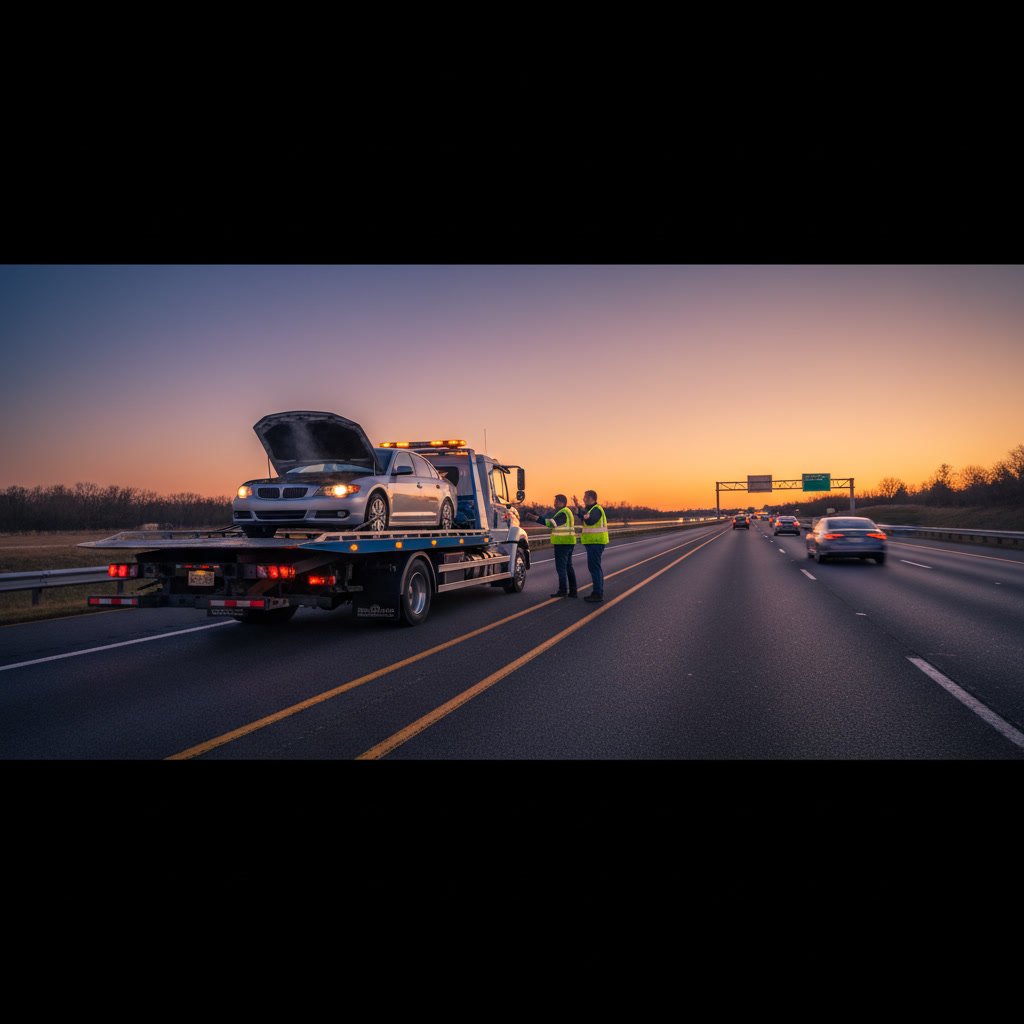
You have the right to remove personal items before transport, and drivers typically allow a few minutes for this. Valuables, medications, car seats, and electronics should be taken immediately. However, items must be accessible without forcing open jammed doors or creating additional safety risks.
Professional towing companies document visible belongings left inside the vehicle on the condition report. This inventory protects both you and the company from theft accusations. If the car is declared a total loss or enters long-term storage, you will need to coordinate with your insurance adjuster to retrieve remaining items under supervised conditions.
How Insurance Companies Get Involved in the Towing Process
Most auto insurance policies include towing and labor coverage, often with limits between 50 and 100 dollars per incident. Some carriers require you to pay upfront and submit a reimbursement claim, while others allow direct billing if the towing company participates in their preferred vendor network.
The driver will ask for your insurance details and may contact the carrier’s claims line to verify coverage and obtain authorization. This step can add 10 to 15 minutes to the process but often results in zero out-of-pocket expense. If you lack coverage or exceed policy limits, the towing company accepts credit cards, debit cards, or cash for the balance.
Your insurer may designate a specific repair facility or storage lot, especially if they handle claims through a direct repair program. Communicating these preferences to the dispatcher early prevents unnecessary reroutings and storage fees.
Where Your Vehicle Is Taken After Loading
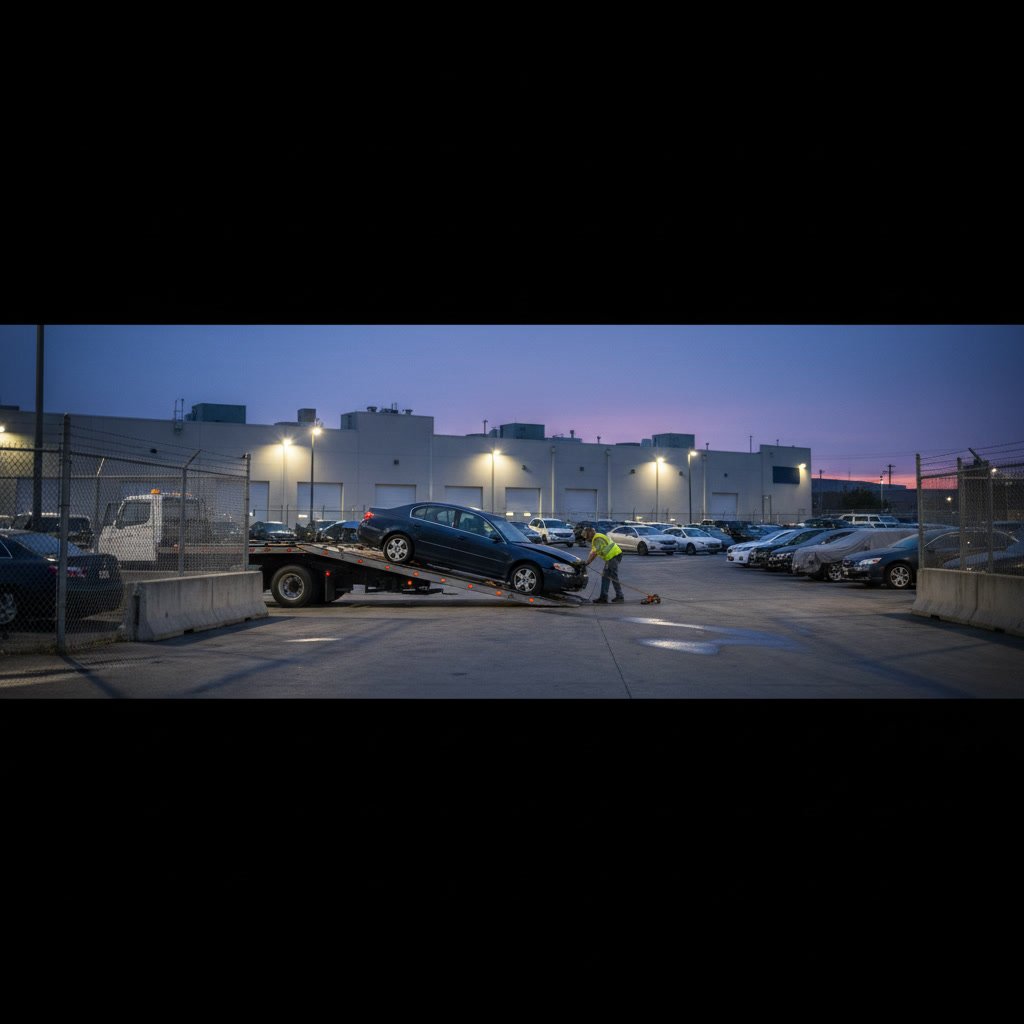
Destination depends on damage severity, your insurance arrangements, and your personal preference. Drivable vehicles with minor damage often go directly to a collision repair shop you select. Cars with significant structural damage, deployed airbags, or fluid leaks typically enter a secure storage yard until an adjuster inspects them.
Storage facilities charge daily fees that begin 24 to 48 hours after arrival, creating financial pressure to complete inspections quickly. Some roadside assistance providers offer free short-term storage as part of their accident recovery packages, giving you breathing room to coordinate with insurers and body shops.
If law enforcement orders impound due to DUI arrest, expired registration, or other legal issues, the vehicle goes to a municipal impound lot. Release requires clearing the underlying violation, paying accumulated fees, and presenting proof of ownership and insurance.
How Accurate Documentation Protects You From Disputes
The condition report created at pickup becomes critical evidence if disagreements arise about pre-existing damage versus new harm during transport. Detailed photographs showing all four corners of the vehicle, close-ups of collision damage, and dashboard odometer readings establish an indisputable record.
Review this documentation before signing and note any discrepancies immediately. If the driver rushes you or refuses to provide copies, consider that a red flag. Legitimate companies understand that thorough paperwork protects both parties and builds trust during stressful situations.
Keep all receipts, towing invoices, and correspondence with the towing company in a dedicated file. Your insurance adjuster will request these documents when processing your claim, and gaps in the paper trail can delay settlements or reduce payouts.
What Costs to Expect and How Fees Are Calculated
Base towing rates for accident recovery typically range from 75 to 150 dollars for the first five to seven miles, with additional per-mile charges beyond that distance. Flatbed transport costs more than wheel-lift due to equipment complexity. After-hours service, weekend dispatch, or holiday calls often carry surcharges of 20 to 50 dollars.
Winching fees apply when vehicles rest in ditches, embankments, or awkward positions requiring cable pulls. Expect 50 to 200 dollars depending on difficulty and time required. Hazardous material cleanup for fuel spills or airbag dust adds separate charges. Transparent companies provide itemized estimates before beginning work and never surprise you with hidden fees at delivery.
Storage fees accumulate daily once the grace period expires, usually two to five dollars per day for passenger vehicles. Larger trucks and SUVs incur higher rates. These costs add up quickly, so prioritize insurance inspections and repair shop transfers to minimize financial exposure.
When You Need Specialized Equipment for Severe Collisions
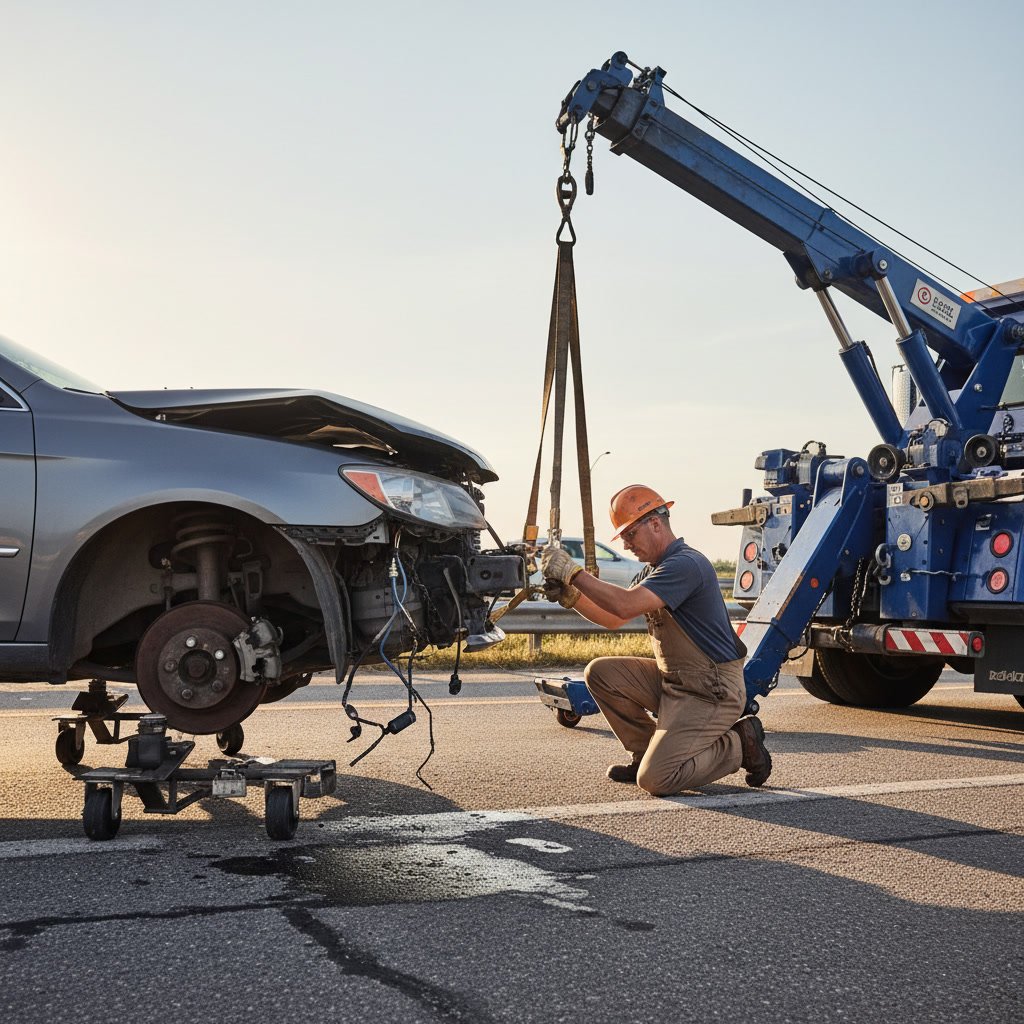
High-impact crashes that crumple frames, sever axles, or leave vehicles on their sides require heavy-duty wreckers with 25-ton or greater lifting capacity. Standard tow trucks cannot safely handle these scenarios, and attempting improper recovery risks further damage or injury.
Rotator trucks equipped with rotating booms and multiple winch points handle complex extractions from guardrails, medians, or multi-vehicle pileups. These specialized units cost significantly more but prevent catastrophic secondary damage that could turn a repairable car into a total loss. Experienced dispatchers recognize when standard equipment is inadequate and deploy appropriate resources from the start.
If you’re uncertain about the severity of your situation, describe the damage honestly during the initial call. Phrases like “wheels bent sideways,” “car resting on its roof,” or “suspended over an embankment” trigger automatic heavy-duty dispatch. For drivers needing quick help after less severe incidents, understanding how to get a tow truck in Seattle fast can reduce wait times significantly.
Getting the Help You Need Without Added Stress
Accidents disrupt your day and challenge your composure, but professional towing services transform a chaotic moment into a managed process. Understanding what happens from the first phone call through final delivery empowers you to ask the right questions, verify proper procedures, and protect your interests.
Choosing a towing company with transparent pricing, modern equipment, and genuine concern for customer safety ensures your vehicle receives appropriate care. The best providers treat every call as an opportunity to demonstrate expertise and build trust during your most vulnerable moments on the road.
Pinocchio Towing LLC has served drivers throughout the greater Seattle region since 2020 with 24-hour accident recovery and transport services. Our trained dispatchers and certified operators handle every collision with the urgency and professionalism your situation demands. When you need immediate assistance after an accident, contact us at +1 206-202-0009 for rapid response and reliable service you can trust.