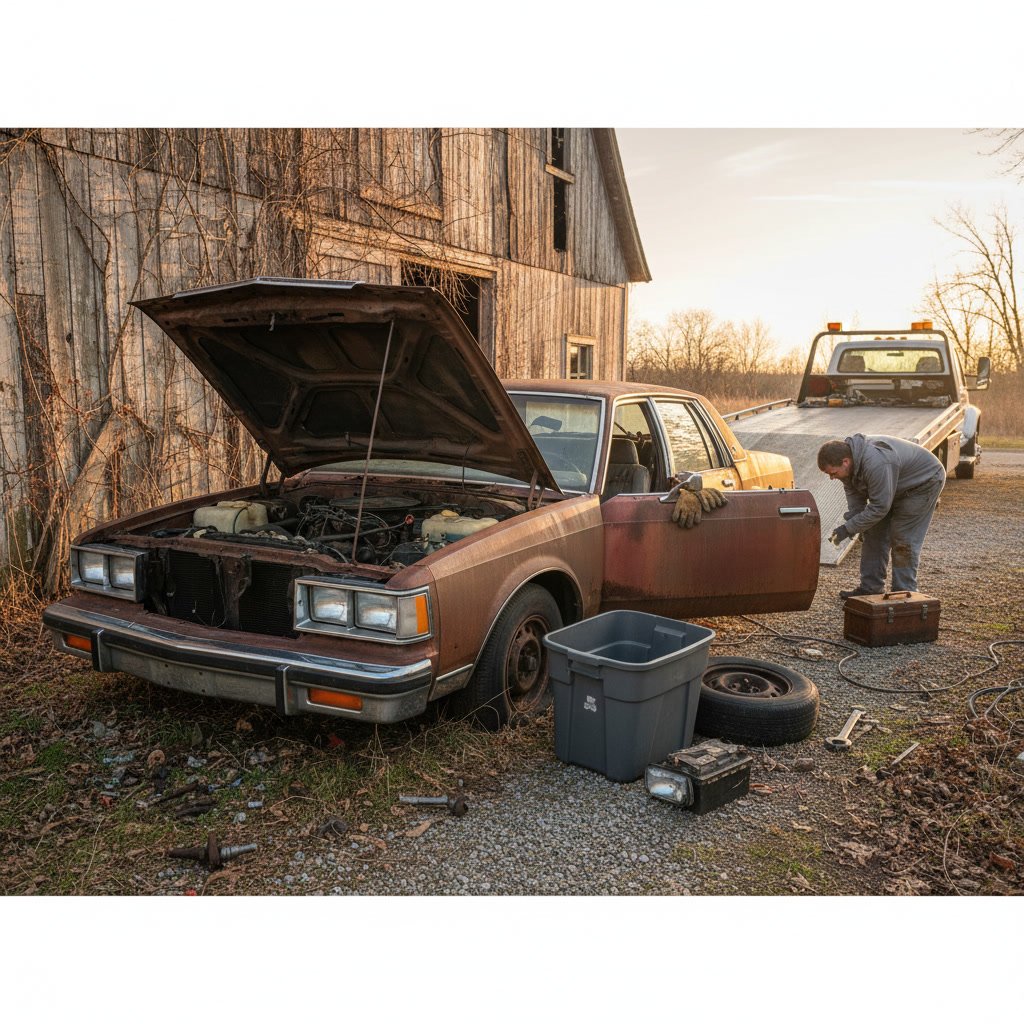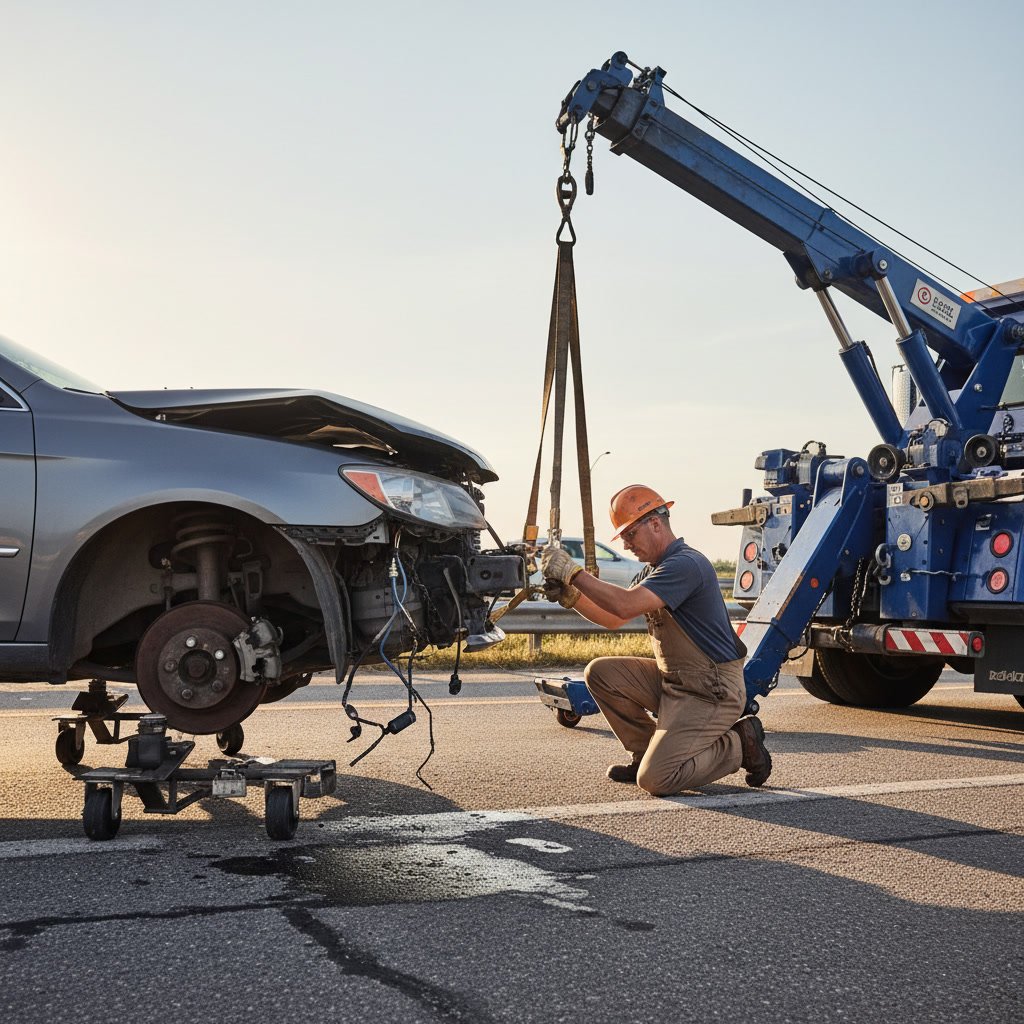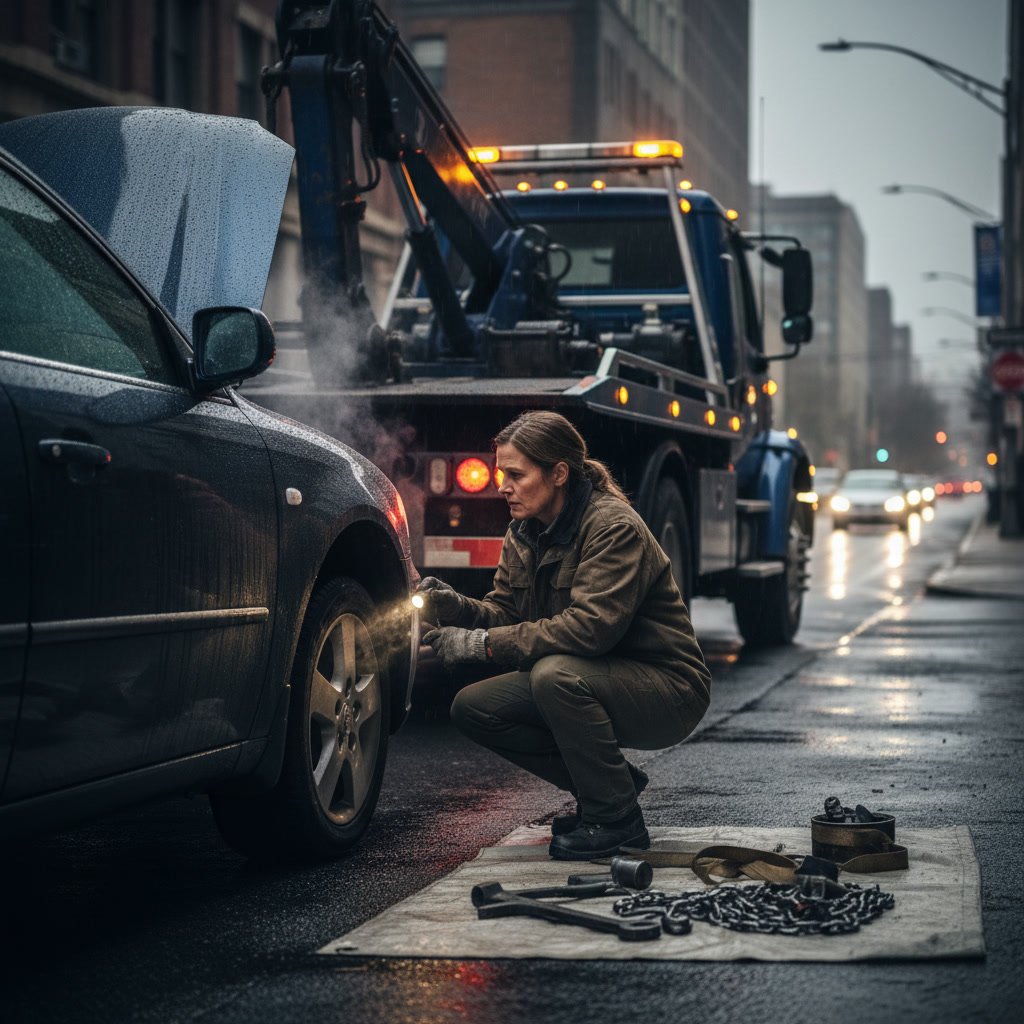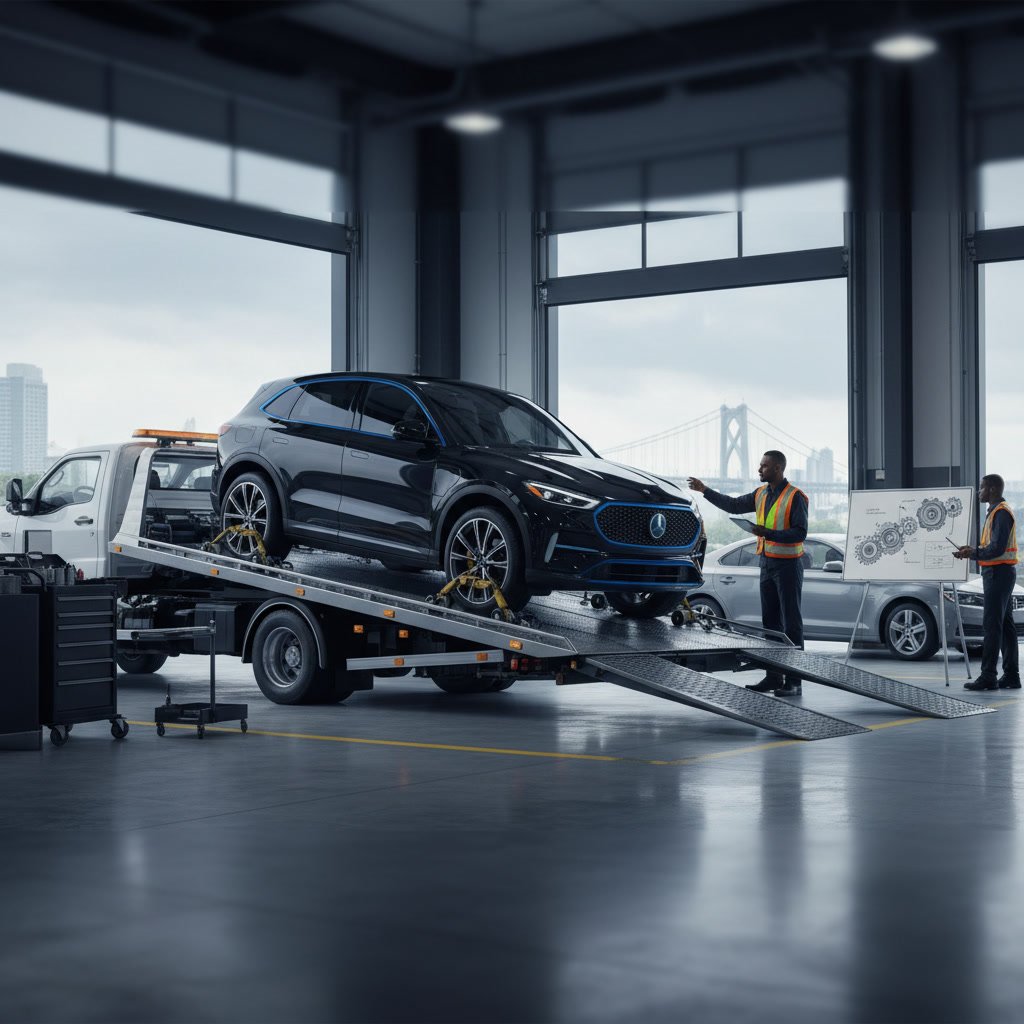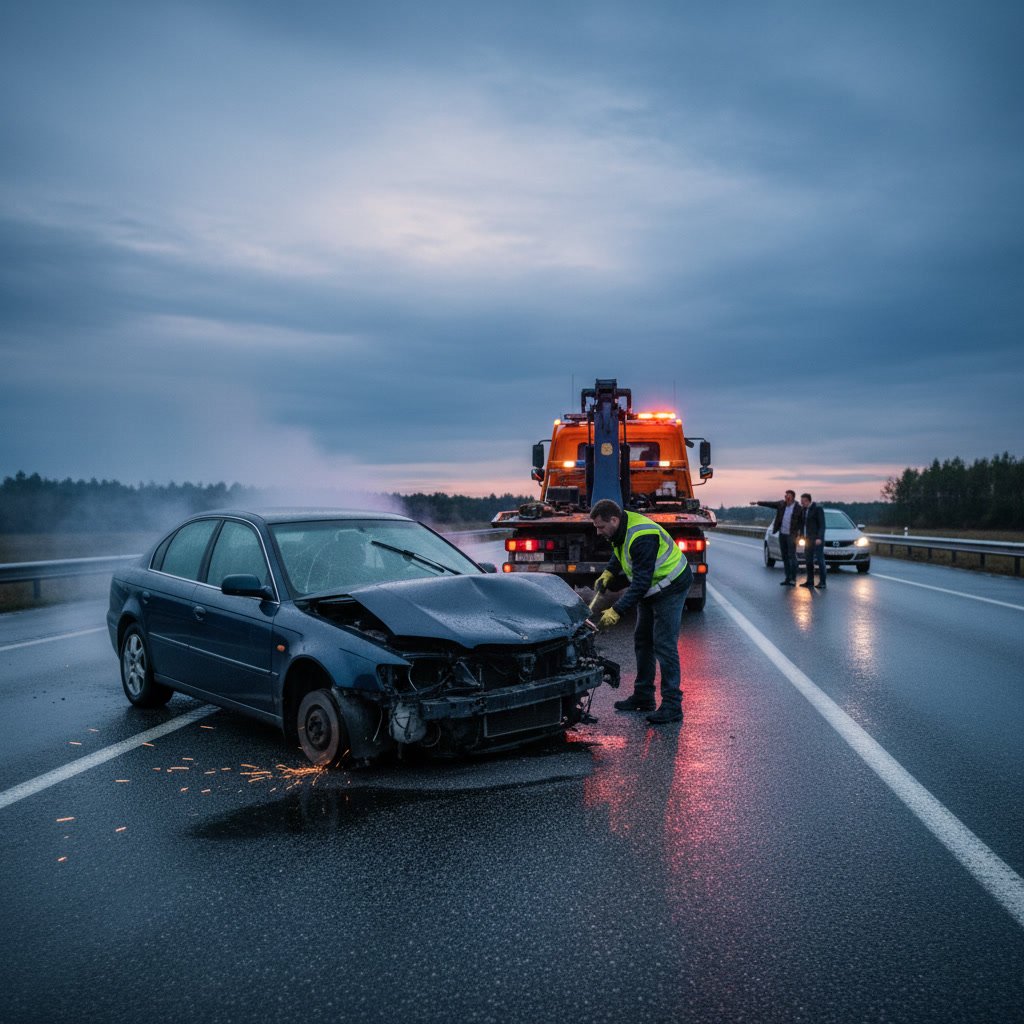
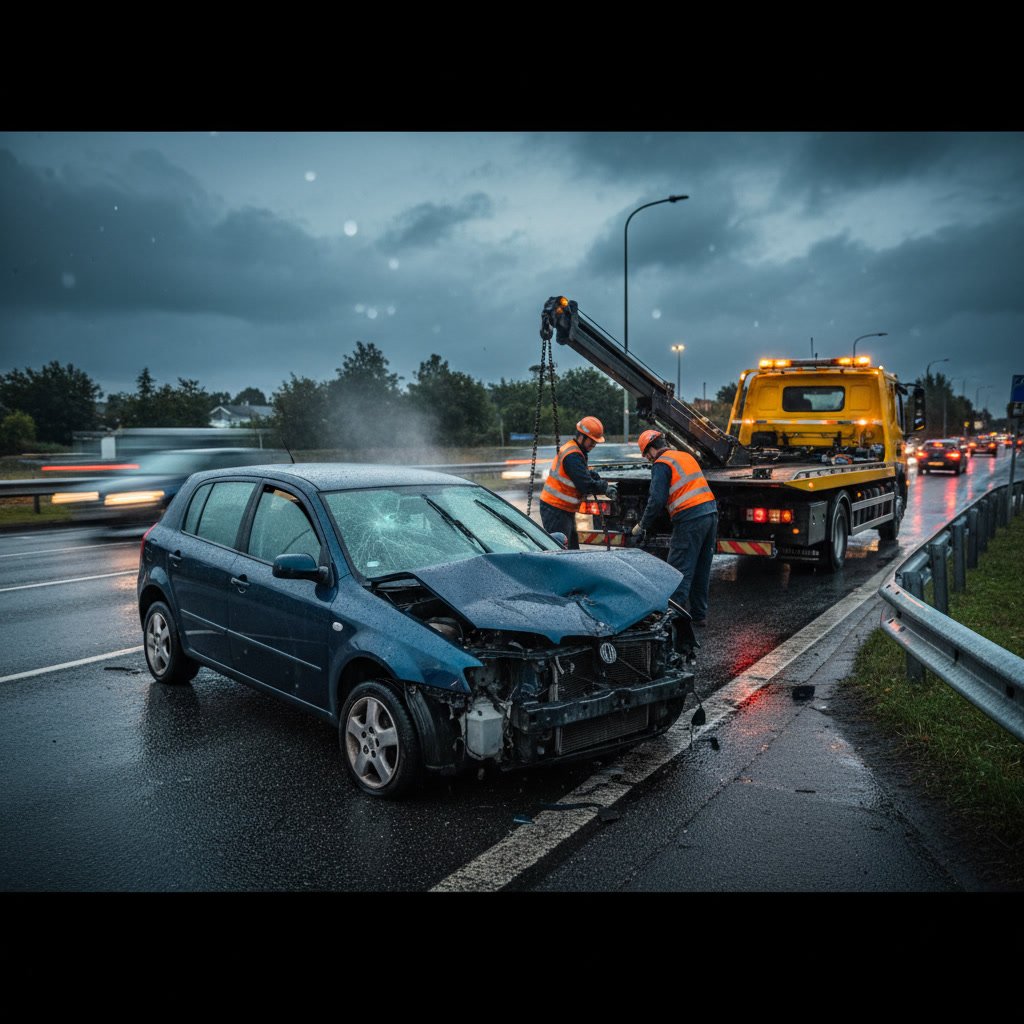
When your vehicle experiences a problem on the road, you face a critical decision: attempt to drive home or call for professional help. If your car needs towing, trying to drive it can transform a simple repair into catastrophic engine damage, put you and other drivers at risk, and leave you stranded in a more dangerous location. Recognizing the warning signs early protects your safety, preserves your vehicle’s value, and often saves you thousands in repair costs.
Why Attempting to Drive a Damaged Vehicle Creates Bigger Problems
Most drivers underestimate how quickly a minor issue can escalate into total mechanical failure. A small coolant leak becomes a warped cylinder head. A dragging brake pad destroys a rotor. What starts as a $200 repair turns into a $3,000 engine rebuild because you drove an extra five miles. Insurance companies document that forced operation of damaged vehicles accounts for nearly 40 percent of total-loss claims that could have been prevented with immediate towing.
Beyond the financial cost, driving a compromised vehicle puts everyone on the road at risk. Loss of steering control, brake failure, and sudden engine lockup cause accidents that injure innocent drivers. The few minutes you save by limping home are never worth the potential consequences.
Steam or Smoke Coming From Under the Hood
If you see steam, white smoke, or any colored smoke billowing from your engine compartment, pull over immediately and shut off the engine. White steam usually indicates coolant escaping onto hot engine components, signaling overheating or a blown head gasket. Dark smoke suggests oil burning where it should not be, often from a cracked block or severe gasket failure.
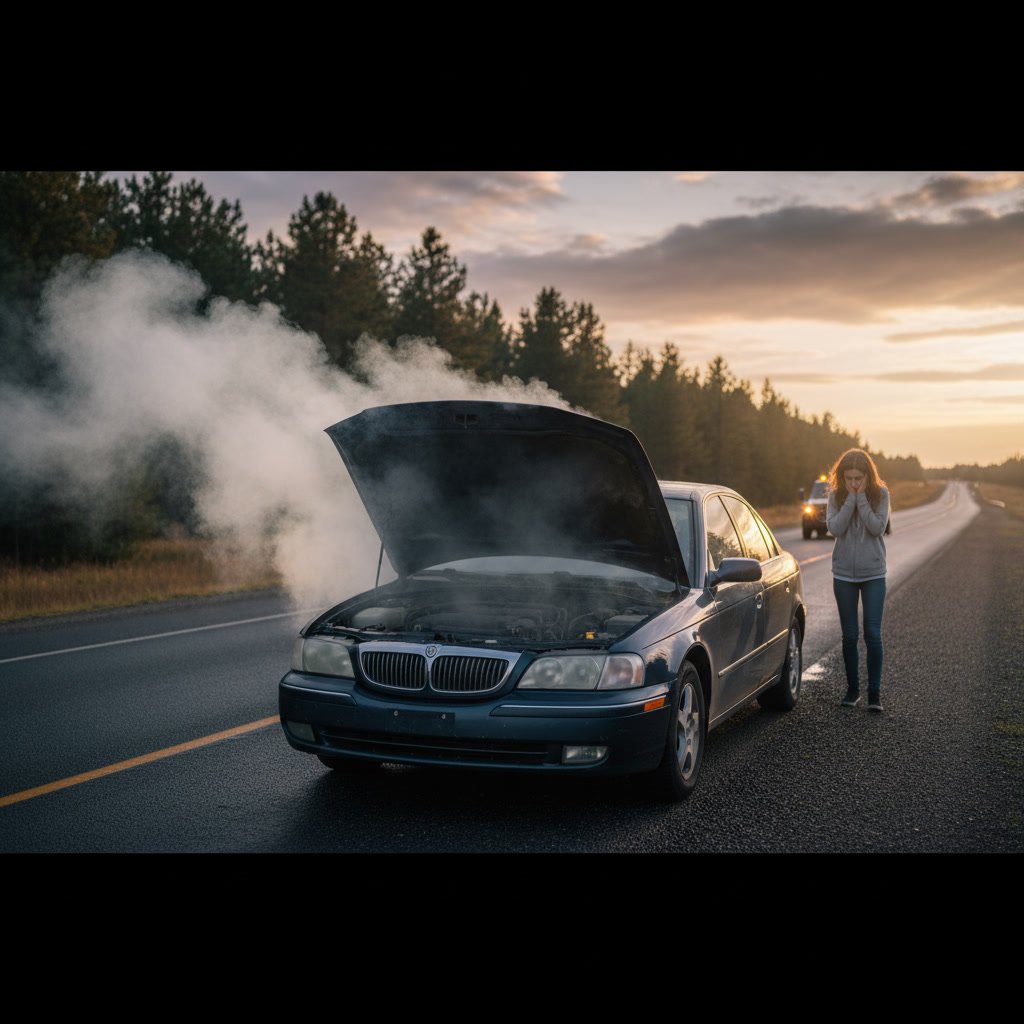
Continuing to operate an overheating engine warps metal components that were machined to tolerances measured in thousandths of an inch. Once warped, cylinder heads and engine blocks often cannot be repaired and require complete replacement. The temperature gauge may not reflect the true severity because sensor failure often accompanies the underlying problem.
Complete Loss of Braking Power in Seattle Traffic
A spongy brake pedal that sinks to the floor or requires pumping indicates either air in the brake lines or a fluid leak. If your pedal goes straight to the floor with no resistance, you have lost hydraulic pressure and your vehicle is unsafe to operate. Even if you can slow down using the emergency brake, modern vehicles rely on integrated braking systems that cannot be safely controlled with the parking brake alone at highway speeds.
Brake system failures require immediate professional roadside assistance. Attempting to navigate city streets or freeway ramps without full braking capability creates liability for any collision that results. Pull over safely using your remaining momentum and call for a tow rather than gambling with other drivers’ lives.
Transmission Slipping or Refusing to Engage Gears
When your transmission slips out of gear, fails to shift, or produces grinding noises during gear changes, internal components are failing. You may experience sudden loss of power, inability to accelerate, or the engine revving without the vehicle moving. These symptoms indicate clutch failure in manual transmissions or torque converter and valve body problems in automatics.
Driving with a failing transmission destroys gears, bands, and clutch packs that grind against each other without proper hydraulic pressure or mechanical engagement. Transmission fluid that smells burned or appears dark brown instead of bright red confirms internal damage is already occurring. Shut down and arrange for towing before a $1,200 repair becomes a $4,500 transmission replacement.
Warning Lights Combined With Unusual Sounds or Smells
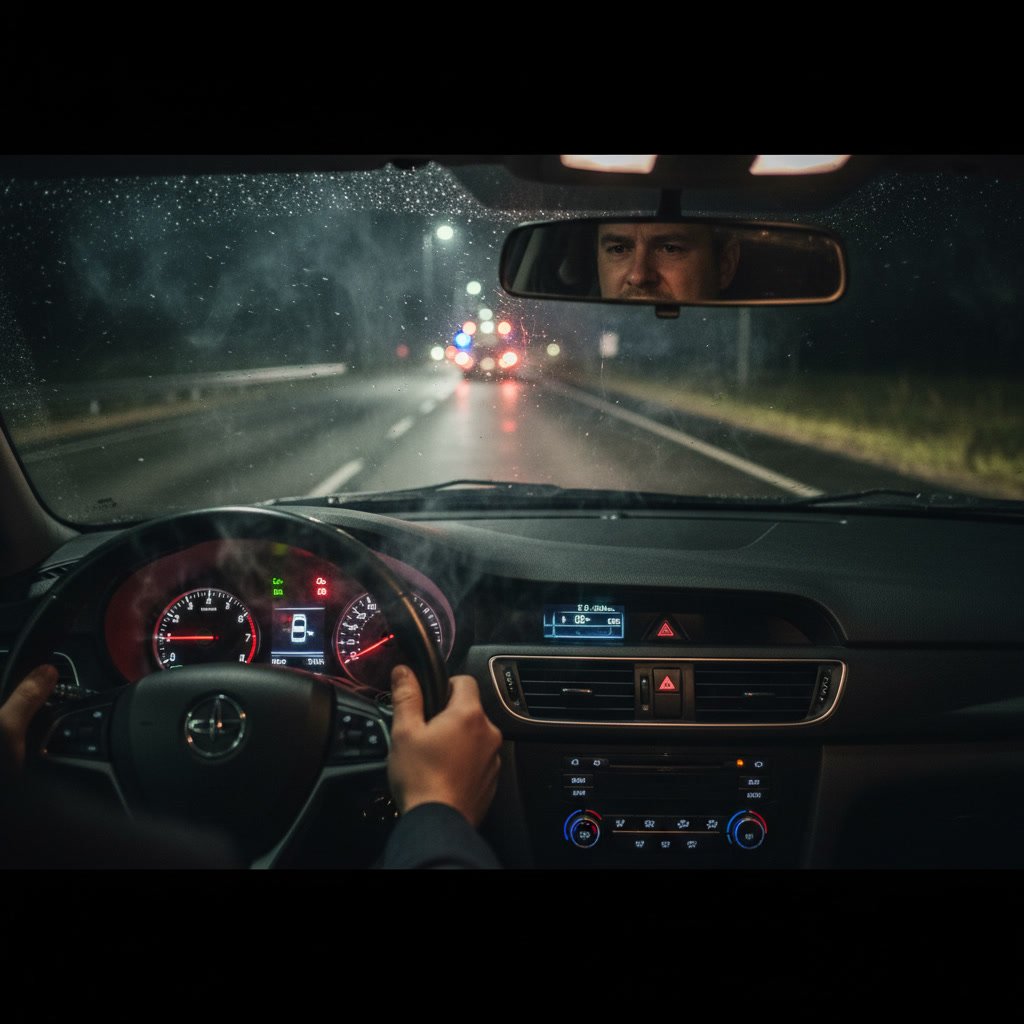
A single warning light might indicate a sensor malfunction, but multiple warning lights combined with burning smells, grinding sounds, or knocking noises signal genuine mechanical emergencies. The check engine light paired with loss of power, the battery light with dimming headlights, or the oil pressure light with ticking engine sounds all demand immediate shutdown.
Modern vehicles use dozens of sensors to monitor critical systems. When multiple sensors trigger simultaneously, the vehicle’s computer has detected a cascading failure affecting interconnected systems. Ignoring these warnings while continuing to drive typically results in complete engine seizure, leaving you stranded in a more dangerous location than where the warnings first appeared.
Fluid Leaking Rapidly Beneath Your Vehicle
Small drips of oil or coolant often indicate minor gasket seeps that can wait for scheduled service. Large puddles forming quickly beneath your parked vehicle signal catastrophic seal or component failure. Bright green, orange, or pink fluid indicates coolant. Dark brown or black fluid suggests oil. Red fluid points to transmission or power steering problems. Clear fluid might be gasoline, which creates immediate fire risk.
If you can watch the fluid level dropping on your dipstick or see a puddle spreading while the engine runs, the leak is severe enough to cause failure within minutes. Running an engine without adequate oil pressure destroys bearings and seizes pistons. Operating without coolant causes immediate overheating. Continuing to drive guarantees you will need professional towing in Seattle, WA 98178 from a much worse location, possibly in the middle of a busy intersection or freeway lane.
Steering System Failure or Front End Damage
If your steering wheel becomes extremely difficult to turn, turns without the wheels responding, or if you hear grinding from the front end when turning, your power steering or steering linkage has failed. Similarly, if you have struck a curb, pothole, or debris hard enough to cause visible wheel misalignment, bent components, or constant pulling to one side, the suspension or steering geometry is compromised.
Vehicles with damaged steering or suspension cannot be controlled predictably. A tire that appears intact may have internal belt separation ready to cause a blowout. A bent control arm may allow the wheel to collapse inward during braking. These failures happen without warning and cause loss of control at whatever speed you are traveling.
Strange Noises That Worsen With Speed or Load
Rhythmic thumping, grinding that increases with vehicle speed, or metallic scraping from the wheels indicates bearing failure, brake component dragging, or wheel assembly problems. A knocking sound from the engine that grows louder under acceleration suggests rod bearing failure. Any noise that changes pitch or volume with speed or throttle position comes from a moving part that is wearing rapidly or has already failed.
Catastrophic bearing failures can cause wheels to separate from vehicles, driveshafts to drop onto pavement, or engines to throw connecting rods through engine blocks. These failures occur suddenly after a period of increasing noise that drivers often ignore. The professional insight here is that mechanical components rarely fail silently. Noise always precedes failure, giving you warning time to prevent disaster by calling for help instead of pushing forward.
Electrical System Failure Affecting Critical Components
Total electrical failure means your vehicle loses power steering, power brakes, headlights, and turn signals. Even if the engine continues running temporarily, you cannot operate safely without these systems. Alternator failure often begins with dimming lights and weak electrical accessories before complete shutdown occurs. Battery failures can leave you unable to restart if you turn the engine off.
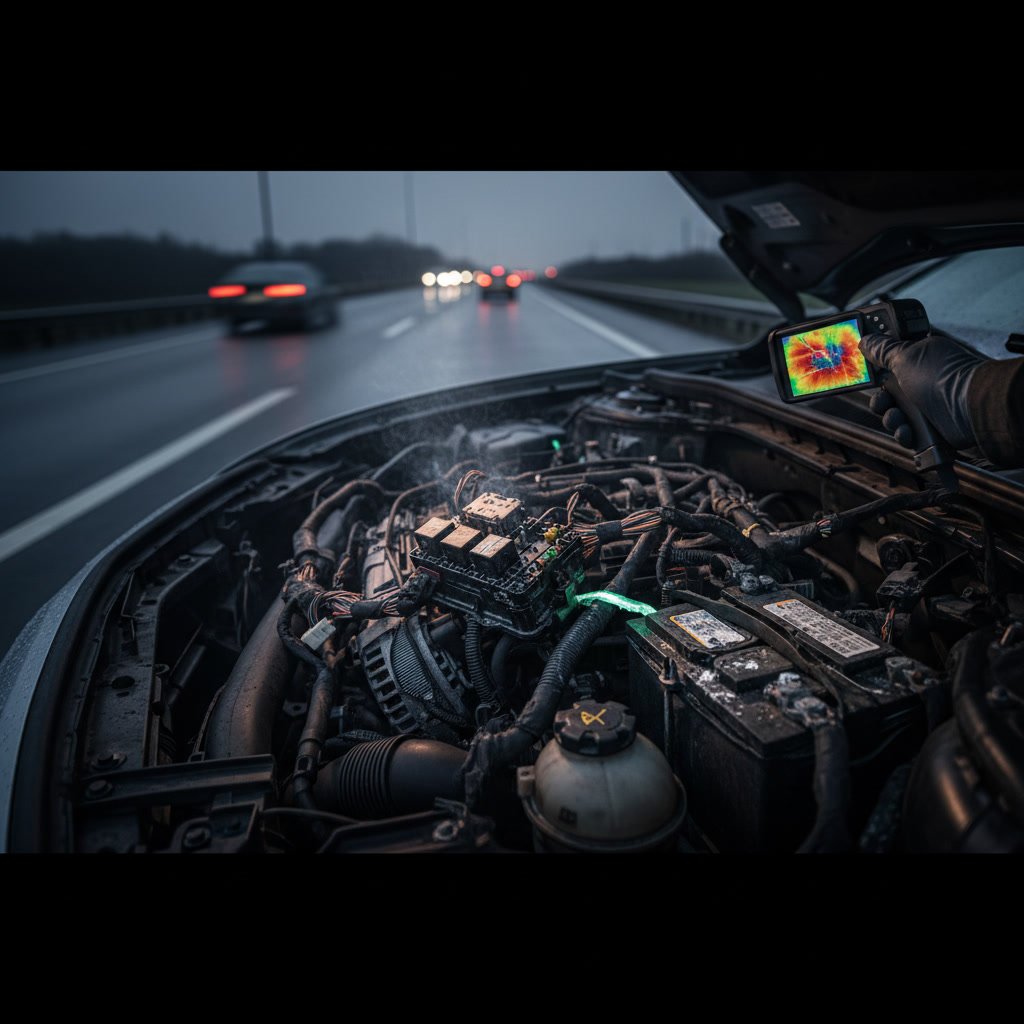
Electrical problems that affect engine management systems can cause sudden stalling in traffic. Unlike older mechanical vehicles, modern engines rely on computer control of fuel injection and ignition timing. When the electrical system fails, the engine stops immediately, often without warning. Restarting may be impossible even if you want to make another attempt to drive. If you have already experienced the challenges of a dead battery emergency, you understand how quickly electrical issues can escalate.
Tire Blowout or Severe Tread Separation
A flat tire from a simple puncture can often be addressed with a spare or roadside repair. A blowout that destroys the tire structure, exposes steel belts, or damages the wheel itself requires professional handling. Driving on a completely flat tire, even at low speed for a short distance, destroys the tire permanently and often damages the wheel, brake components, and suspension parts.
If you experience a blowout and successfully pull over safely but discover the wheel is bent, the fender is rubbing the tire, or the suspension appears damaged, do not attempt to install a spare. The underlying damage will affect vehicle handling and may cause the spare to fail or the vehicle to become uncontrollable. This situation requires the same careful approach you would take if you were dealing with a flat tire emergency that exceeds simple roadside repair.
Trust Your Instincts and Professional Guidance
Your vehicle communicates its condition through sounds, smells, vibrations, and warning systems designed by engineers who understand failure modes. When multiple unusual symptoms appear together, or when a single symptom feels severe, your instinct to stop is almost always correct. The cost of a tow is a fraction of the cost of major repairs, and the risk of attempting to drive a damaged vehicle far outweighs the inconvenience of waiting for help.
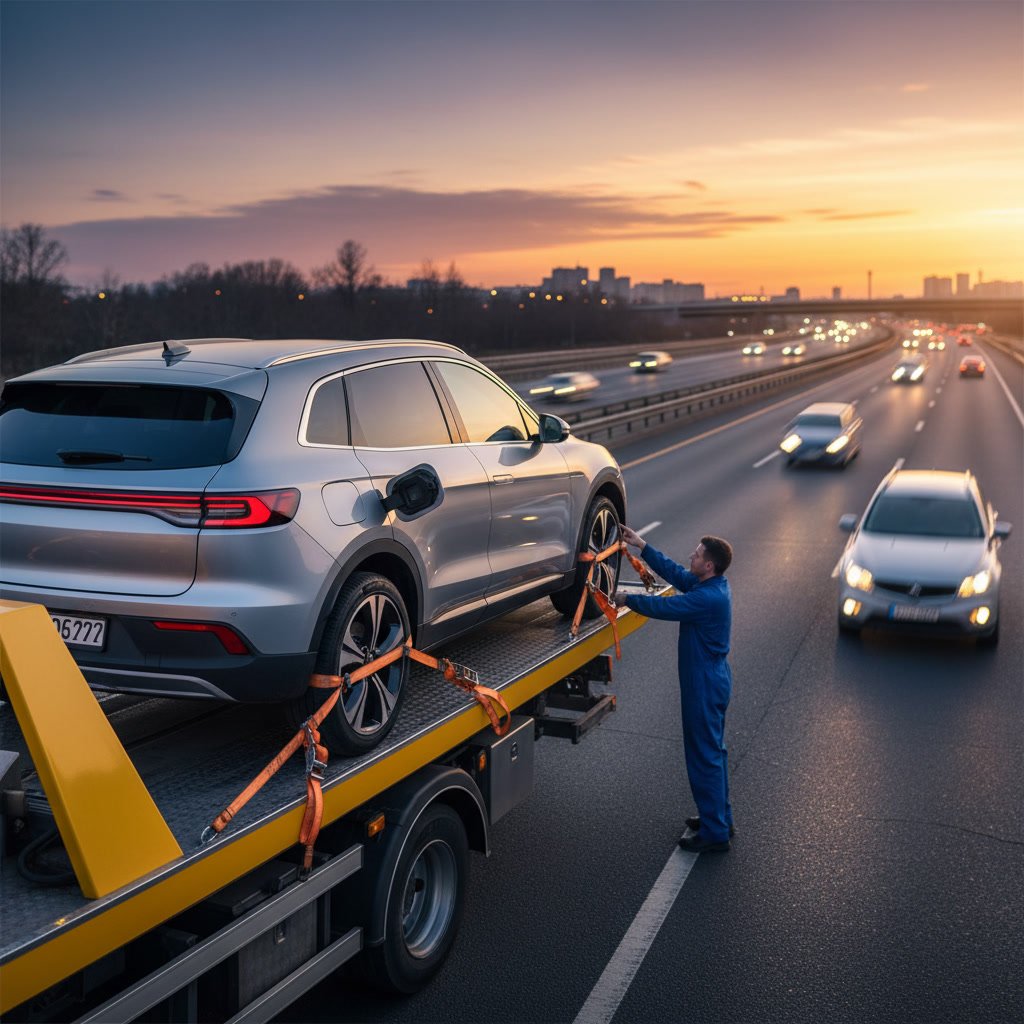
Professional towing services assess vehicle condition and transport method to prevent additional damage during recovery. Flatbed towing protects vehicles with drivetrain damage, while wheel-lift methods work for simple breakdowns. Experienced operators understand how to secure damaged vehicles to prevent further harm and can often identify problems you might miss.
Established in 2020, Pinocchio Towing LLC has built a reputation on helping drivers make these critical decisions correctly. The difference between a minor inconvenience and a major disaster often comes down to recognizing warning signs and acting immediately rather than hoping the problem resolves itself over the next few miles.
If you experience any of the warning signs described above, protect yourself and your vehicle by calling for professional help. Pinocchio Towing LLC provides 24/7 emergency service throughout the greater Seattle area with the equipment and expertise to handle any roadside situation safely. Reach our dispatch team anytime at +1 206-202-0009 for immediate assistance.