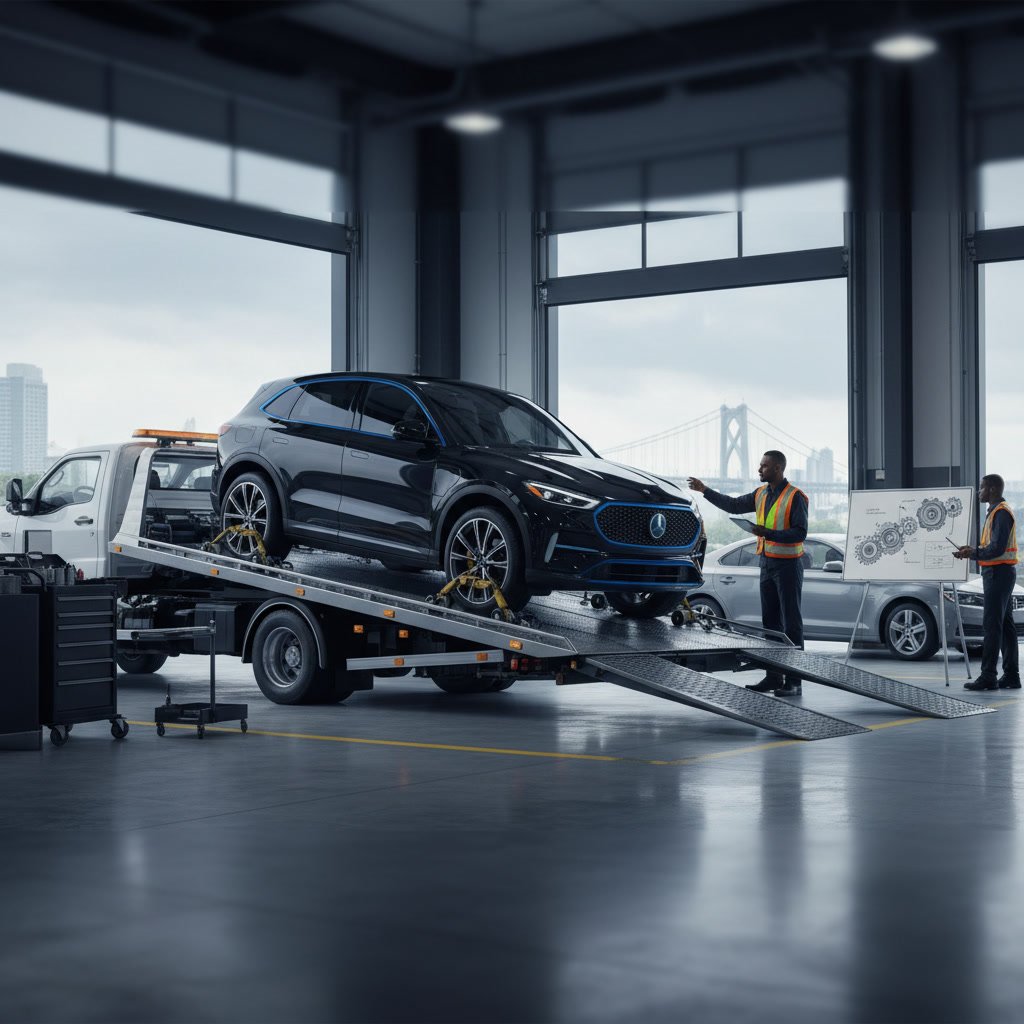
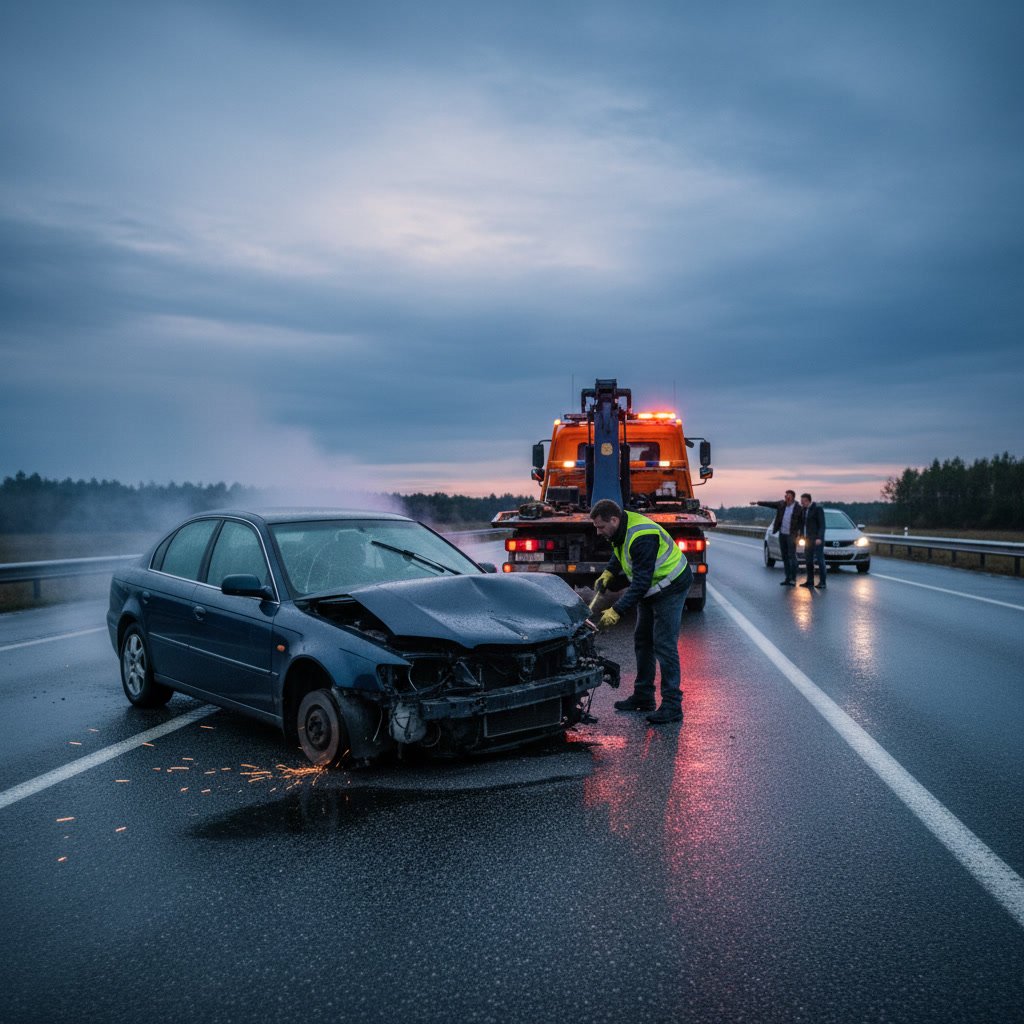
Many drivers attempt to limp their disabled vehicles home to save money, but this decision often causes thousands of dollars in additional damage. Knowing when to call tow truck services immediately protects both your safety and your wallet. Several specific warning signs indicate your car needs professional towing right now, not a risky drive to your garage or home.
Why Driving a Damaged Vehicle Makes Problems Worse
The temptation to drive just a few more miles feels strong when your car starts acting strangely. Most mechanical failures grow exponentially worse under continued operation. A small coolant leak becomes a cracked engine block. A slipping transmission destroys internal gears. What starts as a $300 repair bill transforms into a $4,000 replacement when you ignore the warning signs.
Insurance companies often deny claims for damage that occurs after the initial incident if they determine you knowingly operated an unsafe vehicle. Documentation from roadside assistance professionals protects you legally and financially.
Understanding Critical Dashboard Warning Lights
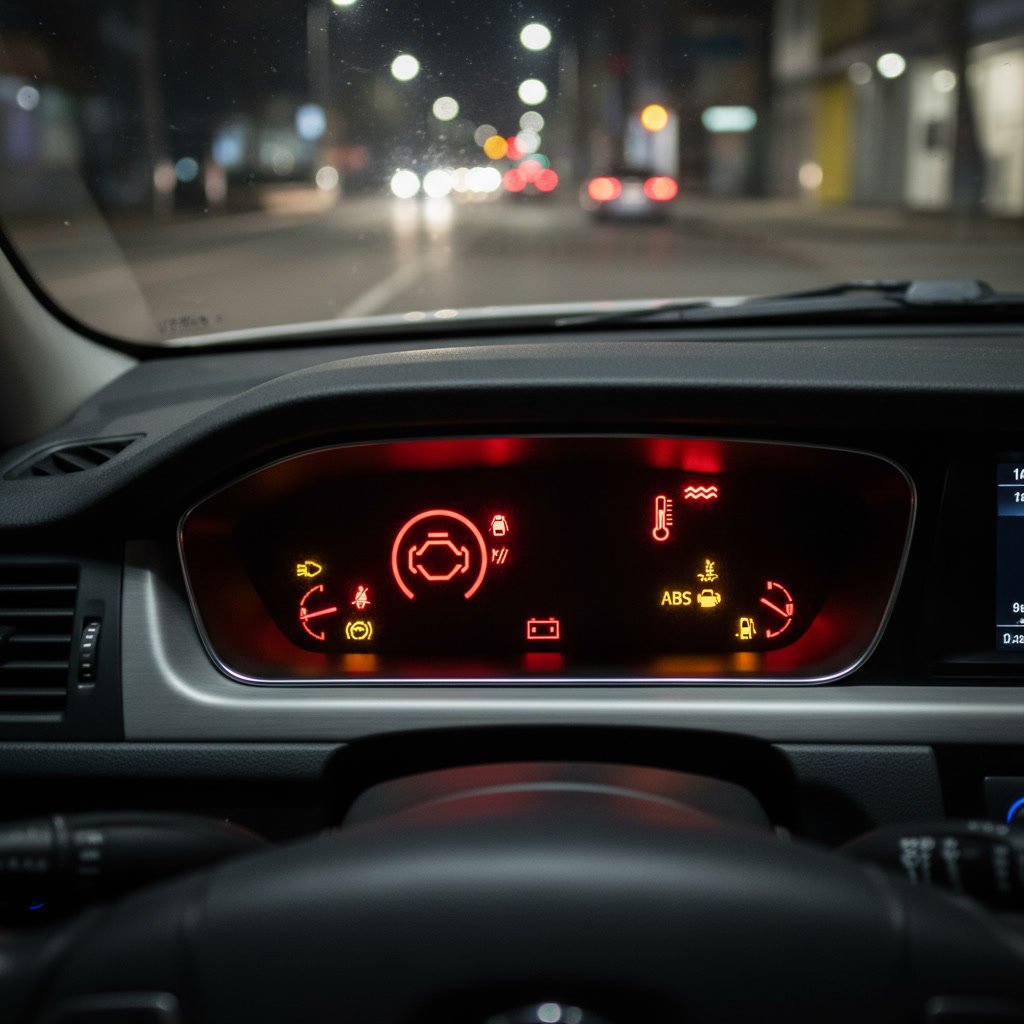
Your dashboard contains multiple warning lights, but three demand immediate action. The red temperature gauge or coolant warning indicates your engine is overheating, which can warp cylinder heads in minutes. Continuing to drive with this light illuminated almost guarantees engine failure.
The oil pressure warning light means your engine lacks proper lubrication. Modern engines contain precision parts that seize without adequate oil flow. You have roughly 30 seconds to one minute of safe operation once this light appears before permanent damage occurs.
The brake system warning light signals potential brake failure. Your ability to stop safely disappears when brake fluid runs low or brake components fail. No destination is worth the risk of driving without functional brakes.
Smoke or Steam Coming From Your Vehicle in Seattle
Any visible smoke or steam requires immediate shutdown. White steam typically indicates coolant entering the combustion chamber through a blown head gasket or cracked block. Blue smoke means burning oil, suggesting serious internal engine damage. Black smoke indicates fuel system problems that create fire hazards.
Professional towing services in Seattle, WA 98178 respond quickly to smoking vehicles because the situation can escalate rapidly. Drivers who attempt to reach home often find themselves stranded in more dangerous locations or dealing with engine fires.
Strange Noises That Mean Stop Immediately
Certain sounds indicate catastrophic failure in progress. A loud grinding or metal-on-metal screeching from your wheels suggests brake pad failure or wheel bearing collapse. Either condition makes the vehicle unsafe to operate.
Knocking or hammering sounds from the engine compartment indicate rod bearing failure or piston damage. Continuing to run the engine destroys components that could otherwise be saved with immediate shutdown and professional transport.
Grinding noises during gear changes signal transmission problems that worsen with every shift. Modern automatic transmissions contain hundreds of precision parts that create metal shavings when damaged, contaminating the entire system if you keep driving.
Fluid Leaks You Cannot Ignore
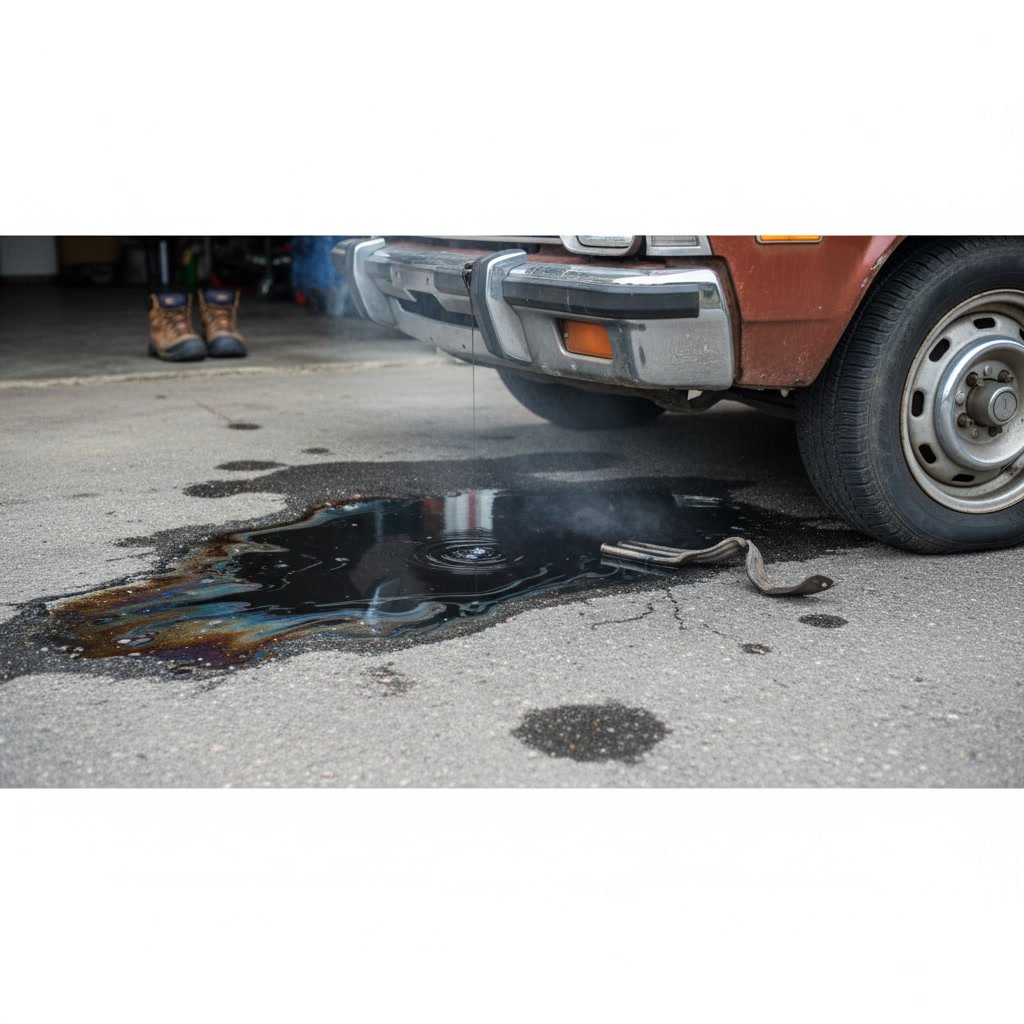
Small drips differ dramatically from active puddles. If you see a growing pool of fluid beneath your vehicle, identify the color before deciding whether to drive. Red or brown fluid indicates transmission or power steering fluid. These systems fail rapidly once fluid levels drop below minimum thresholds.
Green, orange, or yellow fluid means coolant loss. Your engine overheats within miles once coolant reaches critically low levels. Clear or light brown fluid might be brake fluid, which creates immediate safety hazards.
Dark brown or black fluid is engine oil. While small oil leaks allow short-distance driving, a rapid leak that creates visible puddles in minutes means a catastrophic seal failure that will strand you shortly.
Steering or Handling Problems That Create Danger
Loss of power steering makes the vehicle extremely difficult to control, especially at low speeds. Complete steering failure, though rare, occasionally occurs when steering racks or tie rods break. Any sudden change in steering effort or responsiveness requires immediate professional evaluation.
Violent shaking or pulling to one side suggests wheel, suspension, or brake problems. A seized brake caliper creates dangerous heat and prevents proper stopping. Broken suspension components allow wheels to move unpredictably, eliminating your ability to control the vehicle.
If your vehicle suddenly sits lower on one corner, you likely have a broken spring or failed suspension component. Driving in this condition damages additional parts and creates unpredictable handling that increases accident risk.
Electrical Failures and Complete Power Loss
Modern vehicles depend entirely on electrical systems. Complete electrical failure while driving eliminates power steering, power brakes, and all lighting. You lose the ability to signal, illuminate the road, or even see your speed.
If your engine dies and refuses to restart, attempting repeated start cycles drains the battery and potentially damages the starter motor. Battery problems sometimes allow a jump start, but if the engine fails to turn over even with a jump, the vehicle needs towing for proper diagnosis.
Flickering lights or burning electrical smells indicate wiring problems that create fire hazards. Electrical fires spread rapidly in vehicles, and the safest response is immediate shutdown and evacuation.
Transmission Slipping or Refusing to Engage Gears
Transmission problems manifest in several ways. Slipping gears, where the engine revs but the vehicle does not accelerate proportionally, indicates internal clutch or band failure. Delayed engagement when shifting from park to drive suggests low fluid or failing pump components.
Complete refusal to move when in gear means total transmission failure. Attempting to force movement by revving the engine creates additional internal damage. Professional towing preserves the possibility of repair rather than forcing complete transmission replacement.
Harsh shifting or banging between gears indicates computer control problems or mechanical failures. Each rough shift accelerates wear on remaining functional components. Experienced towing professionals understand how to transport vehicles with transmission problems without causing further damage.
After an Accident or Collision
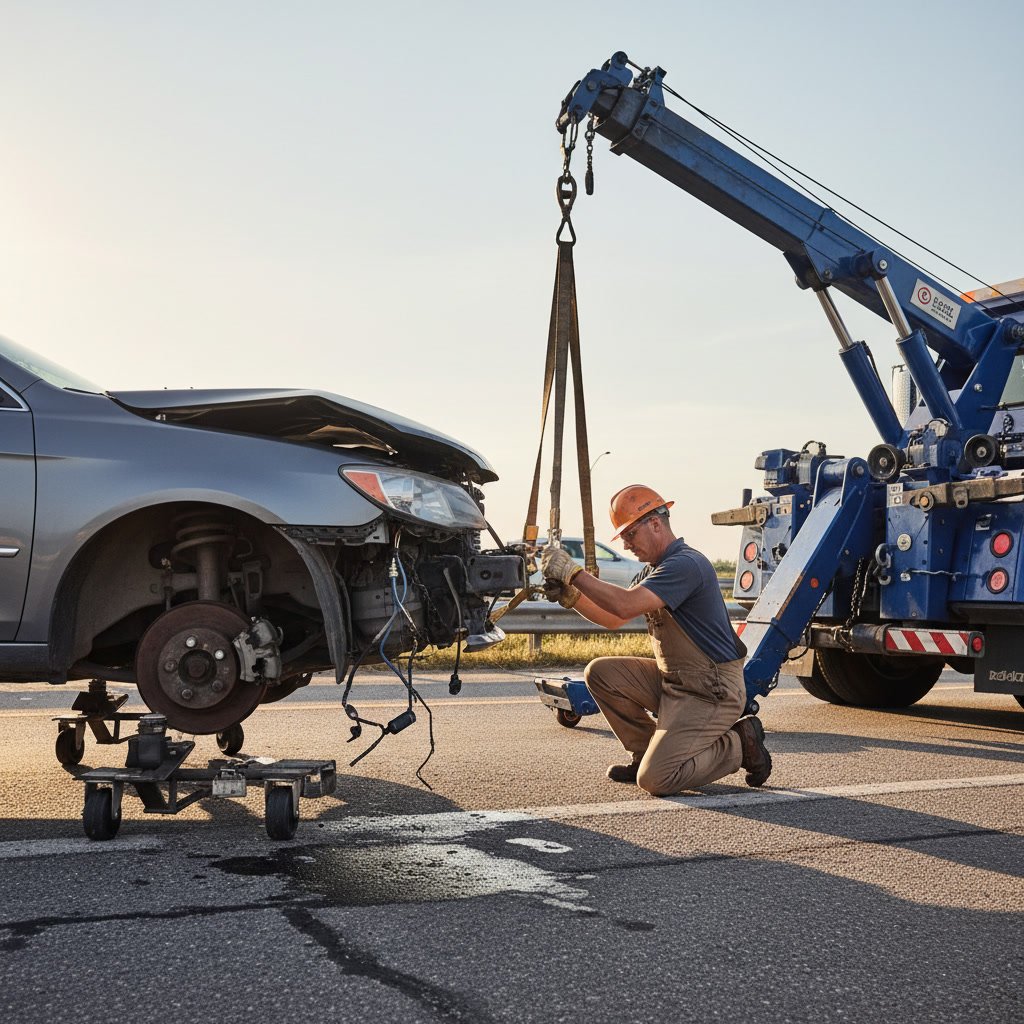
Even minor accidents cause hidden damage. Frame misalignment, suspension damage, or fluid leaks may not become apparent until you attempt to drive. Insurance companies and law enforcement often require professional accident documentation that towing services provide.
Airbag deployment means the vehicle needs comprehensive inspection before safe operation. Deployed airbags sometimes indicate sensor or computer damage beyond the obvious collision damage. The vehicle should be towed to a qualified repair facility rather than driven.
Any accident that damages wheels, tires, or suspension components makes the vehicle unsafe. Bent wheels or damaged control arms create unpredictable handling that increases the risk of additional accidents.
Weather and Road Conditions That Require Professional Help
Vehicles stuck in snow, mud, or standing water often suffer damage when drivers attempt aggressive self-recovery. Spinning tires overheat transmissions and differentials. Rocking the vehicle back and forth strains drivetrain components.
Water intrusion into the engine through the air intake causes hydrostatic lock, where water prevents piston movement. Attempting to start a hydrolocked engine bends connecting rods and destroys pistons. Professional recovery prevents these secondary damage scenarios.
Flooded vehicles require special handling. Water contamination affects electrical systems, engines, and transmissions. Starting a flooded vehicle before proper inspection often converts a repairable situation into a total loss.
Trust Professional Assessment Over Guesswork
The true cost of emergency towing pales in comparison to major mechanical repairs caused by driving a damaged vehicle. Professional towing typically costs between $75 and $200 depending on distance, while engine or transmission replacement runs $3,000 to $8,000.
Pinocchio Towing LLC has provided reliable emergency response since 2020, helping drivers make smart decisions that protect their vehicles and budgets. Experienced operators identify hidden problems that untrained eyes miss, preventing expensive mistakes.
Your safety and your vehicle’s longevity depend on recognizing these critical warning signs. Modern cars communicate problems through warning lights, sounds, and handling changes. Ignoring these signals transforms manageable repairs into major financial burdens. Professional towing services exist specifically to protect you from these outcomes, providing safe transport when your vehicle cannot safely transport itself.
Pinocchio Towing LLC operates 24 hours daily throughout the Seattle area, ready to respond when you face automotive emergencies. Our team brings the equipment and expertise to handle any roadside situation safely and efficiently. Contact us at +1 206-202-0009 the moment you recognize any of these warning signs, and we will help you avoid costly damage while getting you and your vehicle to safety.