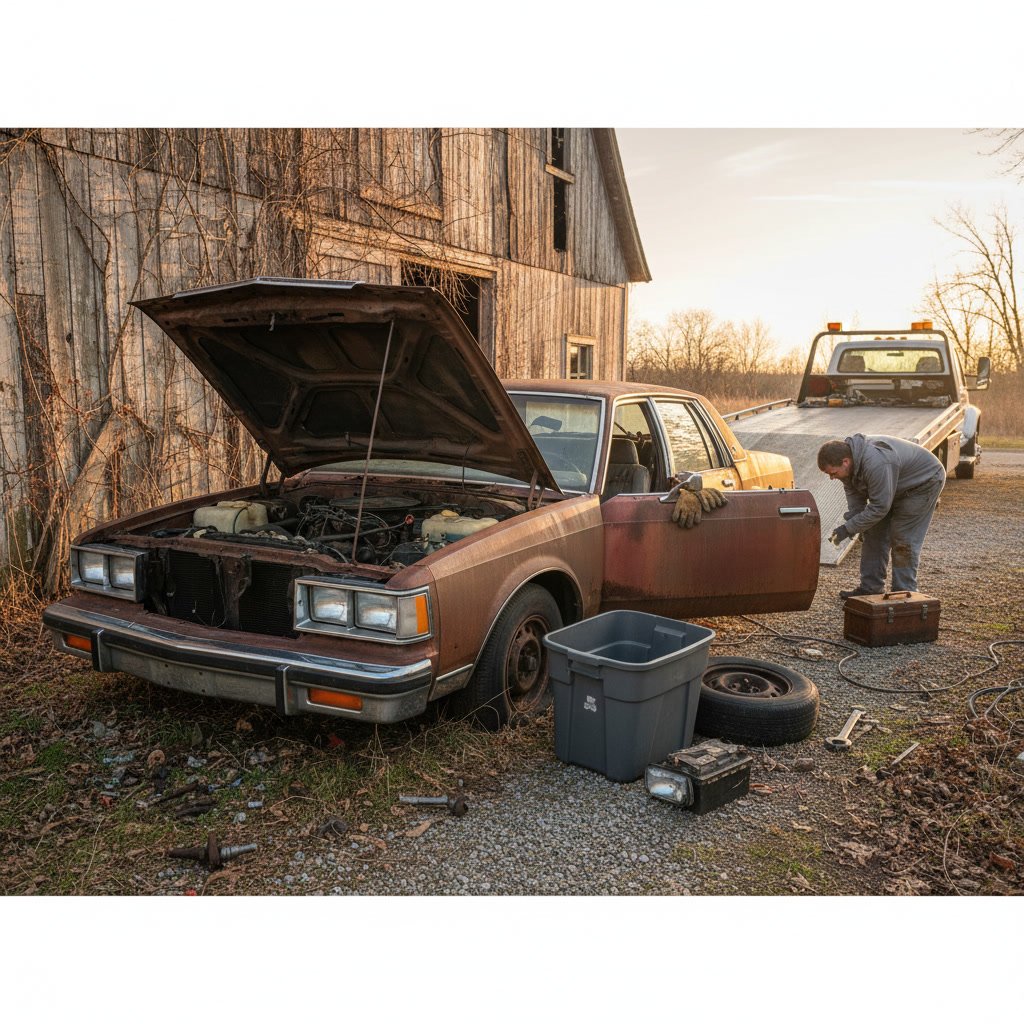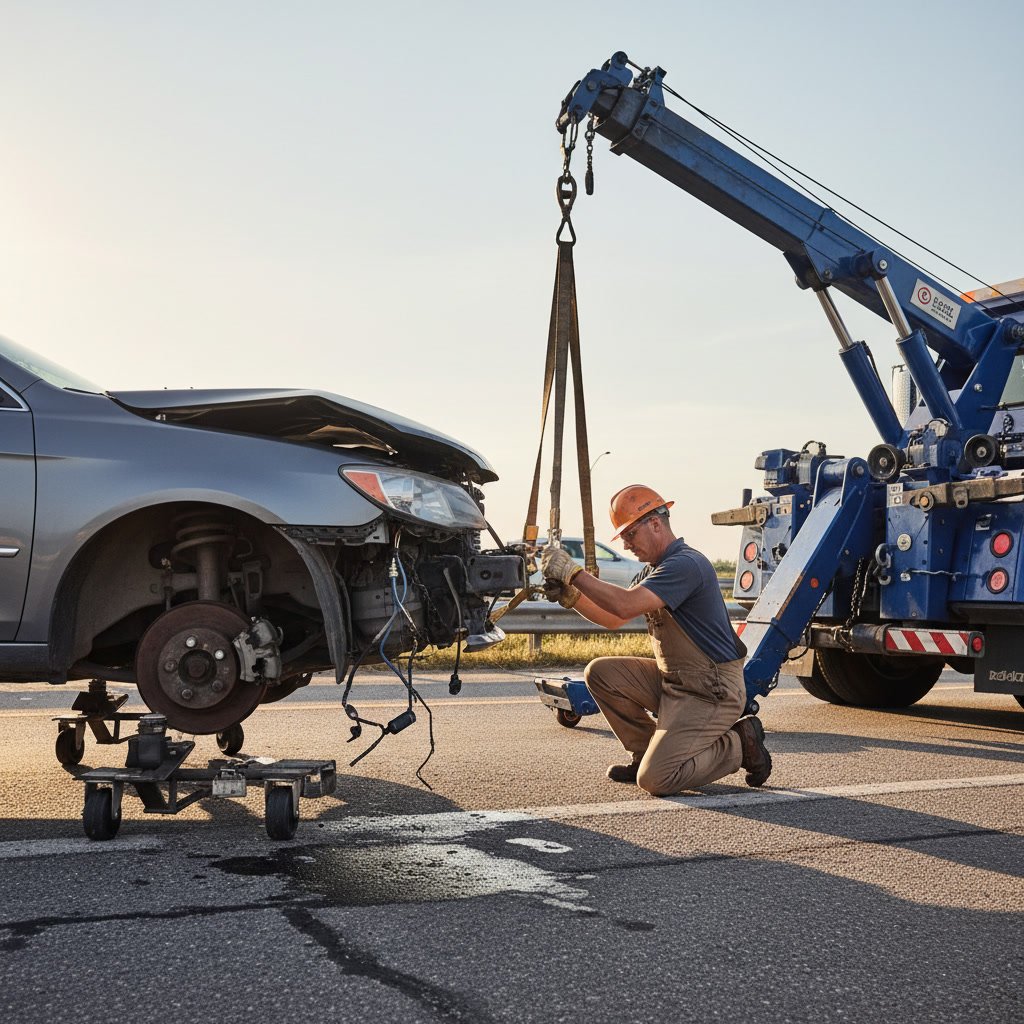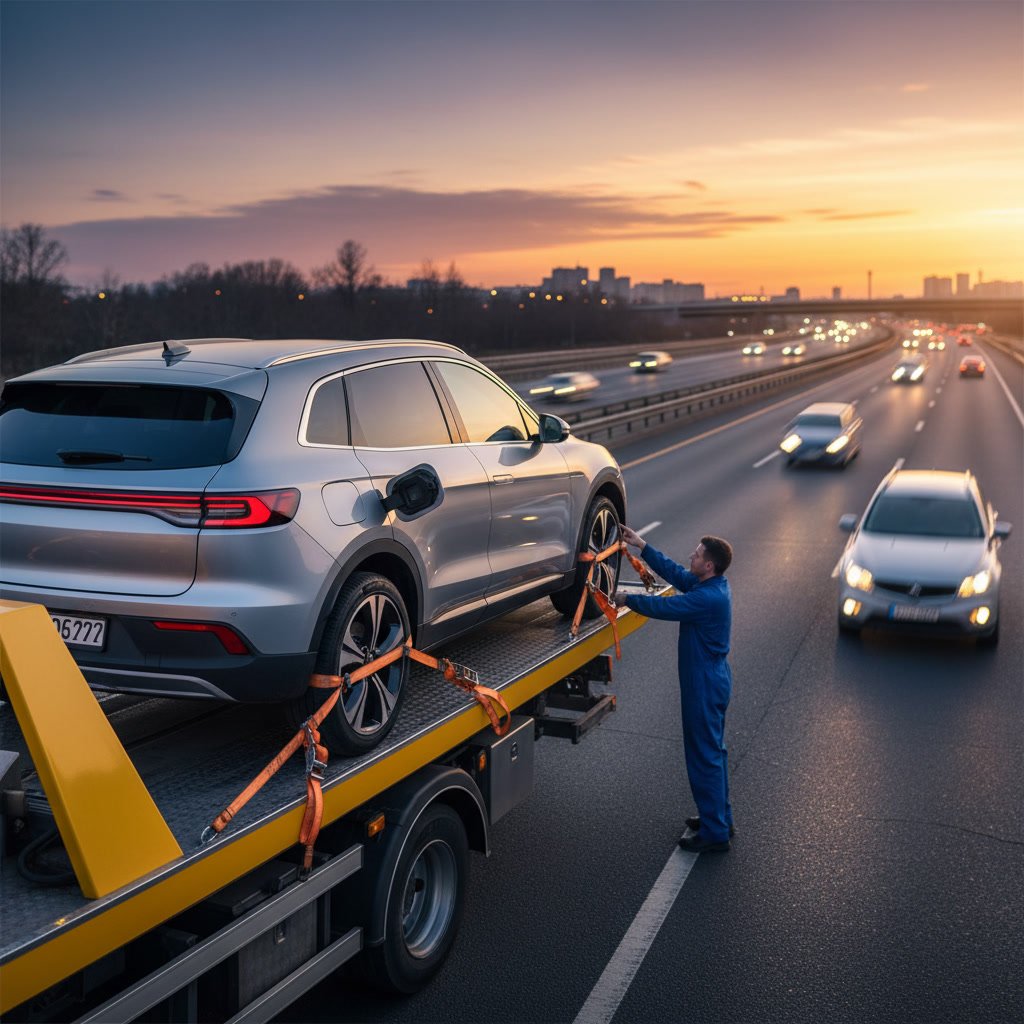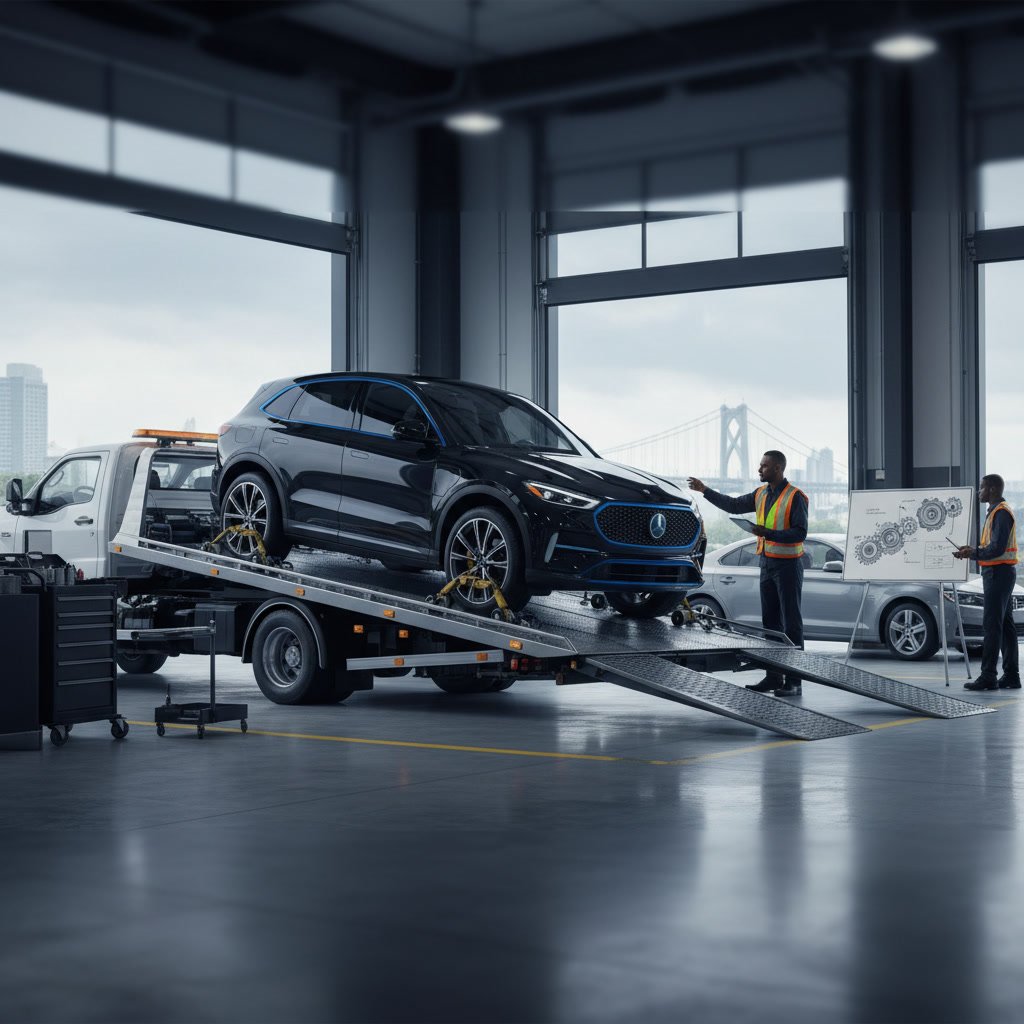
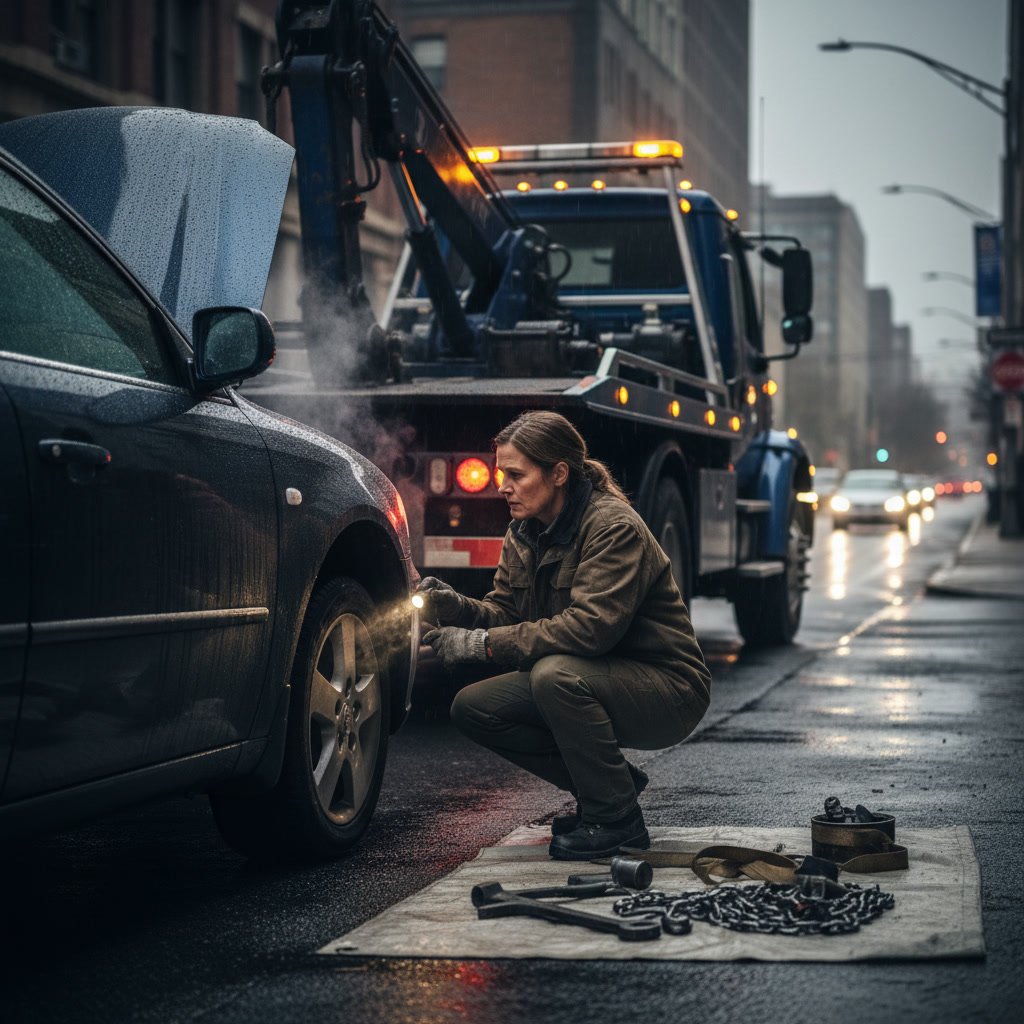
Before a tow truck driver hooks up your vehicle, a thorough pre-tow inspection protects both you and your car. Understanding what professionals check during the tow truck process helps you prepare and ensures a safe, damage-free transport from breakdown to destination. Experienced operators follow a precise checklist to assess your vehicle’s condition, confirm hookup compatibility, and identify potential hazards before any equipment touches your car.
Why the Pre-Hookup Inspection Matters
The moments before a tow truck connects to your vehicle are critical. A rushed hookup can damage suspension components, scratch paint, or create liability issues if pre-existing damage goes undocumented. Professional drivers document the vehicle’s condition with photos and notes, establishing a clear record that protects both the towing company and the vehicle owner. This documentation becomes essential if any dispute arises about when or how damage occurred.
Skipping this step can lead to expensive mistakes. A driver who fails to notice a low-hanging aftermarket bumper might scrape it across pavement during lift. One who misses a damaged steering column could worsen the problem during transport. The inspection is not just a formality but a safeguard built from decades of real-world experience.
Assessing Vehicle Position and Surroundings in Seattle
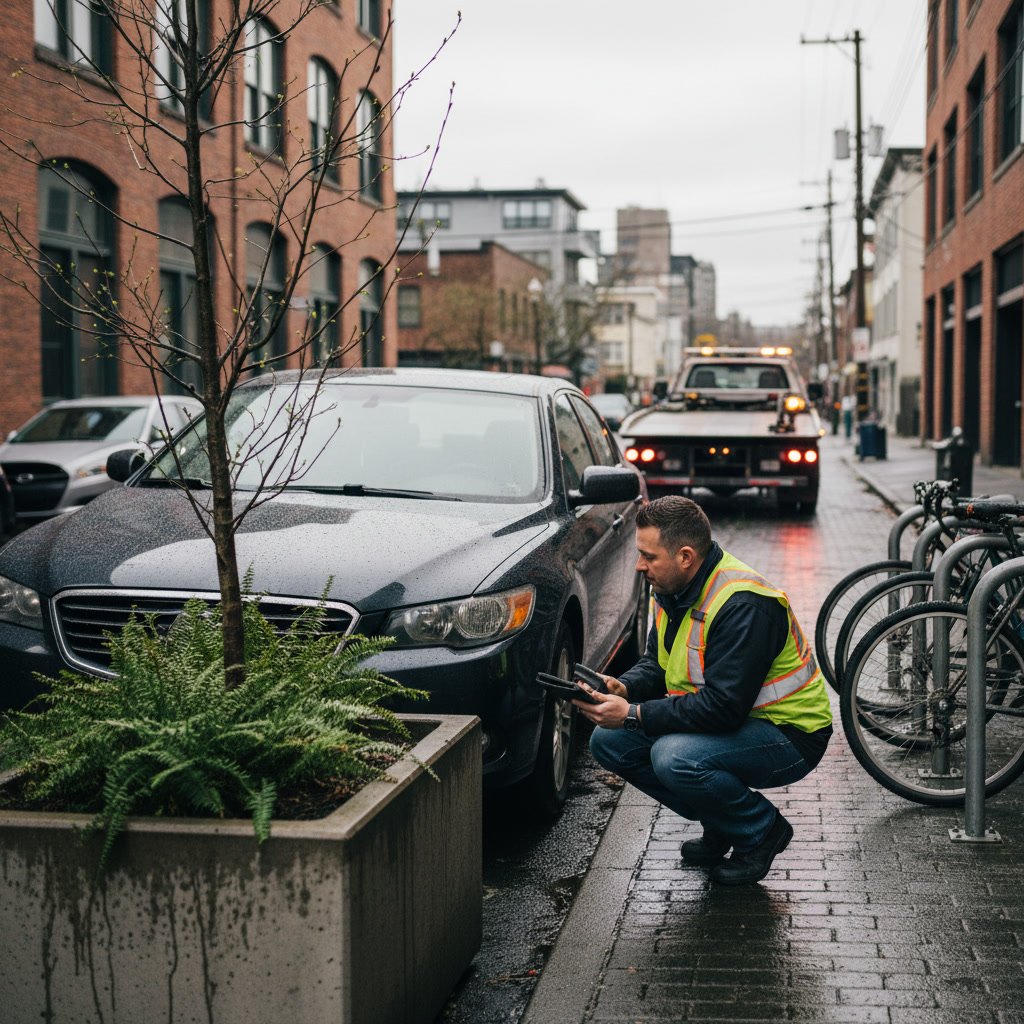
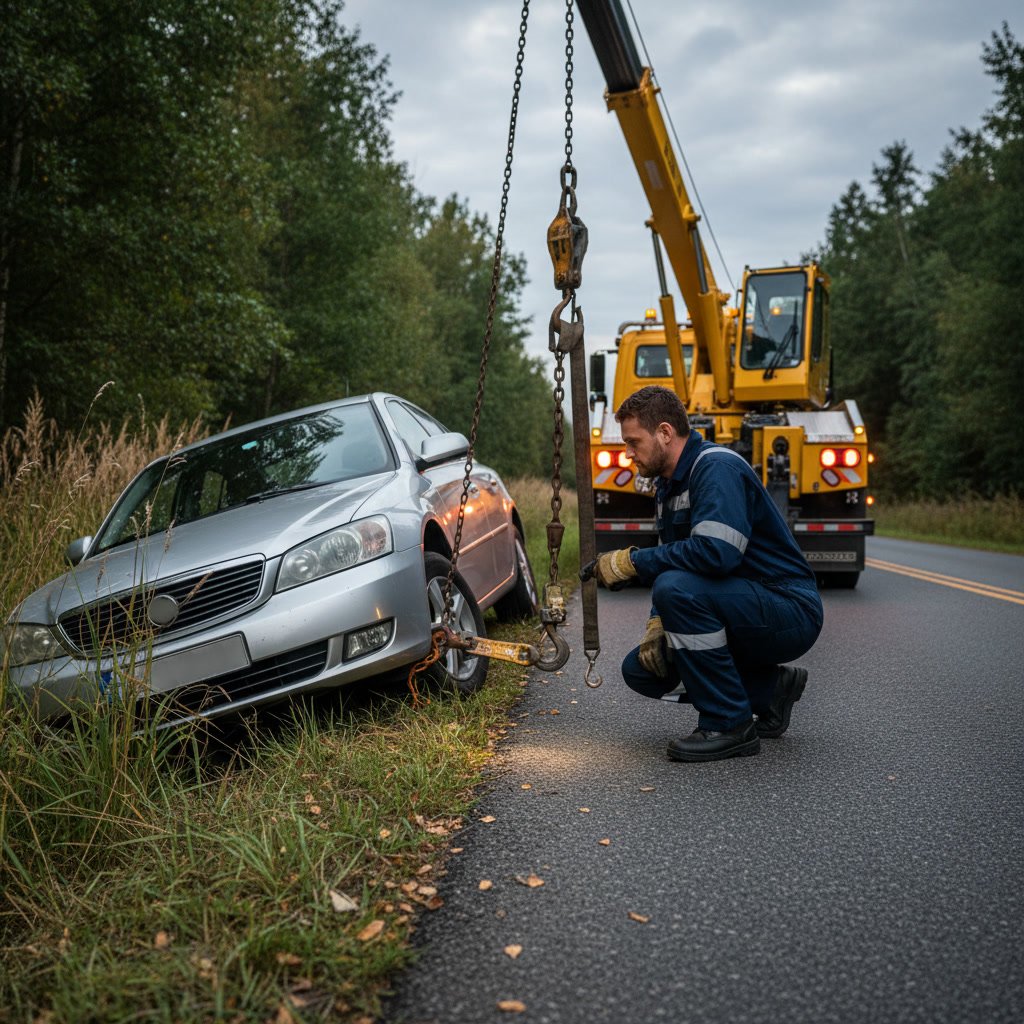
Before touching your car, the driver evaluates where it sits. Is it on a steep grade, blocking traffic, or wedged against a curb? Vehicles stranded on narrow Seattle streets or angled in a ditch require different hookup strategies than those parked safely on level ground. The driver also checks for overhead hazards like low tree branches, power lines, or parking garage ceilings that could interfere with the tow truck’s boom or lifted vehicle.
Traffic flow and safety zones matter too. If your car is on a busy highway shoulder, the operator positions the tow truck to create a protective barrier while working. Flares or cones may be deployed before the driver even approaches your vehicle, ensuring no one is struck by passing traffic during the hookup.
Checking the Transmission and Drivetrain
One of the first technical questions a driver asks is whether your vehicle is front-wheel drive, rear-wheel drive, all-wheel drive, or four-wheel drive. This determines which wheels must stay off the ground during transport. Towing an all-wheel-drive vehicle with two wheels on the pavement can destroy the transfer case within minutes, leading to repair bills in the thousands of dollars.
The driver will confirm your transmission type and check whether the vehicle is in park or neutral. Manual transmissions require different handling than automatics. If the transmission is locked or damaged, the driver may need to use dollies or a flatbed instead of a traditional wheel-lift. Missing this detail can turn a simple tow into a mechanical disaster.
Inspecting Tire Condition and Wheel Damage
Flat or shredded tires complicate the hookup. A driver examines each tire for pressure, tread separation, and sidewall damage. Towing a vehicle with a destroyed tire can cause the wheel to dig into the pavement, creating drag and potential safety hazards. In some cases, the driver will recommend placing the damaged wheel on a dolly or opting for a flatbed tow to avoid further harm.
Bent wheels or damaged lug nuts also get flagged. If a wheel is barely attached or a stud is broken, the hookup might worsen the problem. The driver documents these issues before proceeding, ensuring you understand the vehicle’s condition and any risks involved in transport.
Verifying Steering and Brake Function
Even though the tow truck does the moving, your vehicle’s steering and brakes still matter. If the steering column is locked or the wheels won’t turn, a flatbed becomes necessary. Attempting to tow a vehicle with seized steering using a wheel-lift can damage the suspension and alignment.
Brake function is checked to ensure the vehicle won’t roll unexpectedly during hookup. If the parking brake is stuck or the brakes are completely failed, the driver takes extra precautions to secure the vehicle with chains and chocks before lifting. This step prevents the car from sliding off the equipment mid-transport.
Examining the Undercarriage and Frame
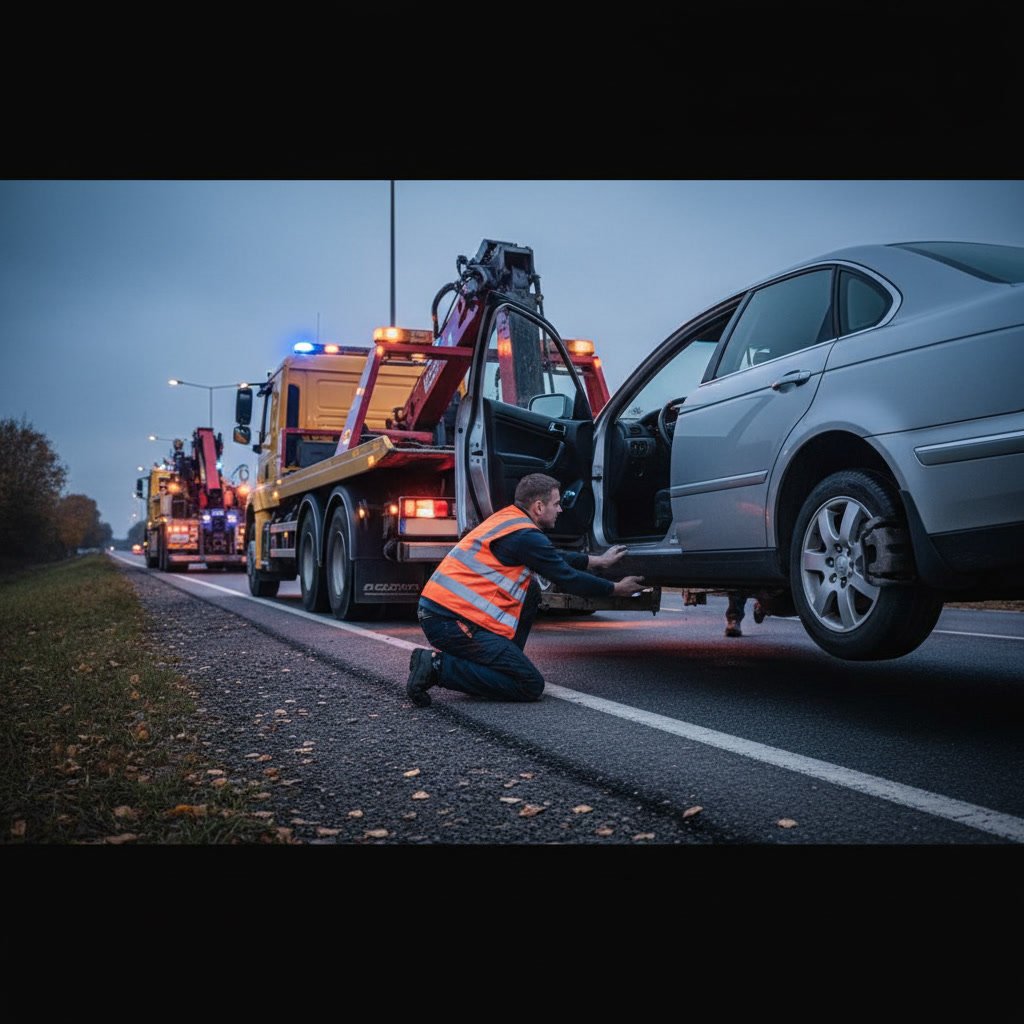
Professional drivers crouch down and inspect the undercarriage for leaking fluids, dangling parts, or structural damage. A cracked oil pan or loose exhaust can snag on the tow truck’s equipment, causing additional damage during the lift. Fluid leaks are noted and often photographed, so there is no confusion about whether the tow caused the problem.
Frame damage from a previous collision can affect how the vehicle sits on the tow truck. A bent frame may not rest evenly on the equipment, creating balance issues during transport. Identifying this before the hookup allows the driver to adjust the setup or recommend a flatbed for safer handling.
Documenting Pre-Existing Body Damage
Scratches, dents, cracked glass, and missing trim pieces are all documented before the hookup. The driver walks around the vehicle, taking photos from multiple angles and noting any visible damage on a condition report. You may be asked to sign this report, confirming that the listed damage existed before the tow began.
This documentation protects both parties. If a new dent appears after the tow, the pre-hookup photos prove whether it happened during transport or was already there. Reputable operators take this step seriously because their reputation depends on delivering vehicles in the same condition they received them.
Confirming Gear Selection and Emergency Brake Status
The driver will ask you to place the vehicle in park or neutral, depending on the tow method. If the vehicle is inoperable and you cannot shift it, the driver may need to access the shift lock override or manually disengage the transmission. Getting this wrong can cause the drivetrain to bind during the tow, leading to expensive internal damage.
The emergency brake is typically released before hookup to allow the rear wheels to roll freely. However, if the vehicle is on a steep incline, the driver may leave it engaged until the tow truck’s equipment has a secure grip. This prevents the car from rolling backward unexpectedly during the initial lift.
Selecting the Right Hookup Points
Not all vehicles have the same attachment points. The driver identifies factory-designated tow points, which are reinforced areas of the frame designed to handle the stress of being lifted and transported. Using the wrong attachment point can bend the frame, crack the bumper, or damage suspension mounts.
Aftermarket modifications like custom bumpers, lowered suspensions, or skid plates can obscure or eliminate factory tow points. In these cases, the driver may need to reposition the equipment or switch to a flatbed. One expert-level insight: drivers often carry a smartphone loaded with towing guides that show hookup points for thousands of vehicle makes and models, ensuring they never guess on an unfamiliar car.
Preparing Loose Parts and Personal Items
Before lifting your vehicle, the driver will ask you to remove or secure loose items inside the car. Anything on the dashboard, in cupholders, or unsecured in the cabin can become a projectile during transport. Drivers have seen everything from coffee mugs to laptops slide off seats and shatter during a tow.
External items like bike racks, roof carriers, or temporary spare tires are also flagged. If these are not removed or properly secured, they can shift during the tow and cause damage to your vehicle or others on the road. The driver may refuse to proceed until these items are addressed, protecting everyone involved.
Protecting Your Vehicle and Ensuring Safe Transport
Once the inspection is complete and the driver has selected the hookup method, final safety checks are performed. Chains or straps are attached at the designated points, then tested for tension and security. The driver lifts the vehicle a few inches off the ground and checks for unusual sounds, movement, or imbalance before proceeding with the full lift.
Many drivers also place protective padding between the tow equipment and your vehicle’s bumper or frame to prevent scratches. These small details separate a professional service from a careless one. If you are unsure whether your vehicle is being handled properly, ask questions. A reputable driver will gladly explain each step and show you the precautions being taken.
If you need assistance beyond just a tow, many companies offer comprehensive roadside assistance to address issues like dead batteries, lockouts, or flat tires before a tow becomes necessary. Understanding the full range of available support can save you time and money when trouble strikes.
Trusting Trained Professionals With Your Vehicle
The pre-hookup inspection reflects years of training and real-world experience. Pinocchio Towing LLC drivers follow these steps on every call, ensuring your vehicle is transported safely whether it is a luxury sedan, a work truck, or a damaged vehicle headed for repair. The process takes only a few minutes but prevents countless problems down the road.
When you understand what happens before the hookup, you can better prepare your vehicle and communicate any concerns to the driver. This partnership between you and the operator ensures a smooth experience from the moment the tow truck arrives until your vehicle reaches its destination.
If you need reliable towing or emergency support anywhere in the greater Seattle area, Pinocchio Towing LLC is ready to respond around the clock. Our trained operators perform thorough inspections and use professional-grade equipment to protect your vehicle at every step. Call +1 206-202-0009 anytime you need help, and experience the difference that honest, skilled service makes.