A professional tow truck service follows a structured process designed to get your vehicle moved safely and efficiently. From the moment you place the call, trained operators gather information about your location, vehicle type, and situation to dispatch the right equipment. Once on-site, the driver secures your vehicle using specialized equipment and transports it to your chosen destination with minimal risk of damage or delay.
Why Knowing the Towing Process Matters for Vehicle Owners
Understanding what happens during a tow gives you control during a stressful roadside situation. When you know the steps involved, you can prepare your vehicle properly, communicate clearly with the driver, and avoid common mistakes that slow down the process or cause additional damage. Many vehicle owners feel anxious when they need towing because they have never experienced the service before and do not know what to expect.
Knowledge also helps you identify a legitimate, professional operation versus an unlicensed operator who may cut corners. Professional companies follow industry standards for safety, equipment maintenance, and customer communication. Recognizing these markers protects you from scams and ensures your vehicle arrives in the same condition it left.
The Role of Modern Equipment in Safe Vehicle Transport
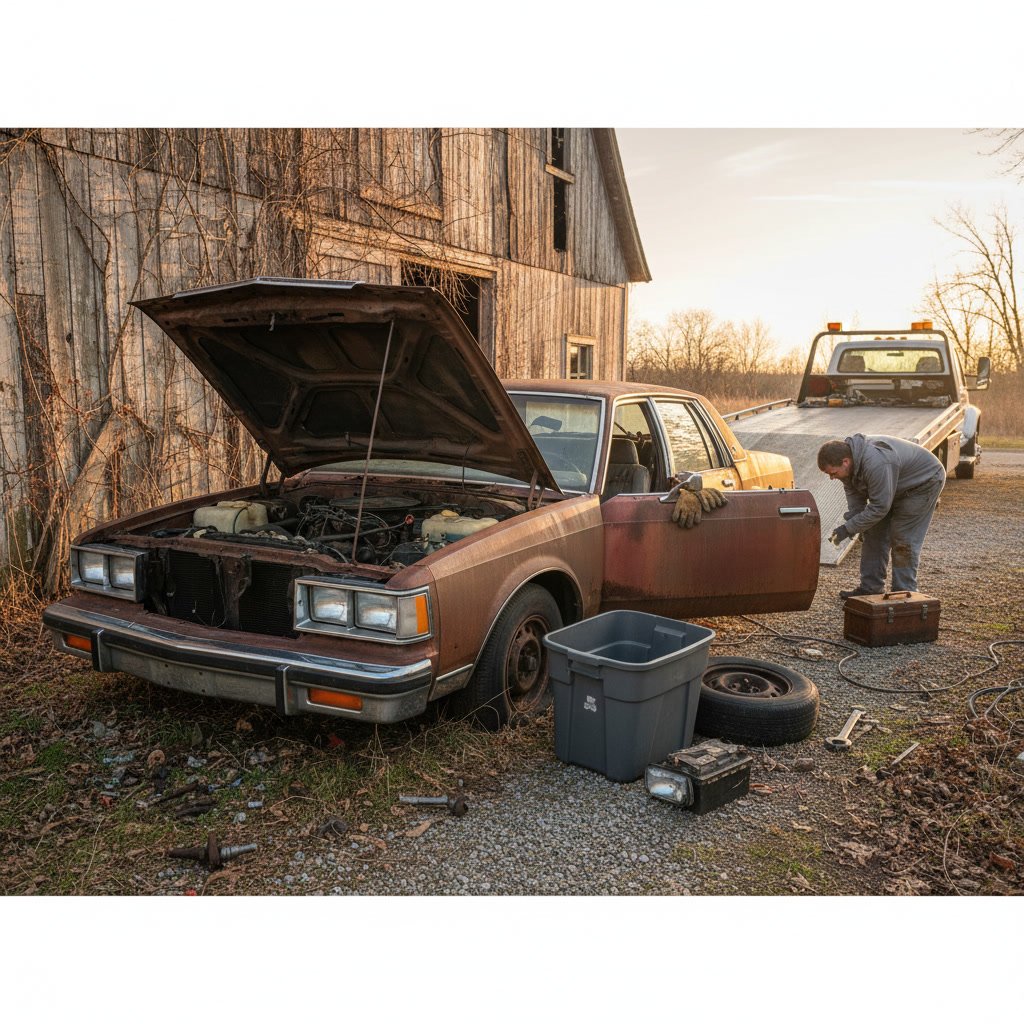
Towing companies use different types of trucks based on vehicle size, weight, and condition. Flatbed trucks carry the entire vehicle on a level platform, ideal for luxury cars, low-clearance vehicles, or those with transmission damage. Wheel-lift trucks secure the front or rear wheels and lift them off the ground, suitable for most standard cars and light trucks. Hook-and-chain systems are now rare because they risk undercarriage damage, though some operators still use them for junk vehicles headed to salvage.
Proper equipment matching prevents transmission strain, frame damage, and tire wear. A driver who arrives with the wrong truck type may need to call for a different unit, adding delay to your wait time. Dispatchers gather vehicle details during the initial call to ensure the correct equipment reaches you on the first trip.

What Information Dispatchers Need When You Call
The first step in any towing process is the phone call. Dispatchers ask for your exact location, including nearby cross streets, landmarks, or mile markers if you are on a highway. GPS coordinates from your smartphone can speed up the process, especially in areas with confusing street layouts or new developments not yet on older mapping systems.
You will also need to describe your vehicle make, model, year, and color. This helps the driver locate you in crowded parking lots or busy roadsides. The dispatcher asks about your vehicle’s condition: whether it rolls freely, has flat tires, or sustained collision damage. This information determines which truck and equipment the driver brings.
If you need roadside assistance instead of a full tow, such as a jumpstart or tire change, mention that during the call. Many operators provide these services and can bring the necessary tools to resolve minor issues on-site, saving you the cost and hassle of a tow.
How Long You Should Expect to Wait for Arrival
Average response times vary by location, time of day, and call volume. In urban areas during normal business hours, most professional services arrive within 30 to 45 minutes. Late-night calls, severe weather, or high-demand periods like holidays can extend wait times to 60 minutes or longer.
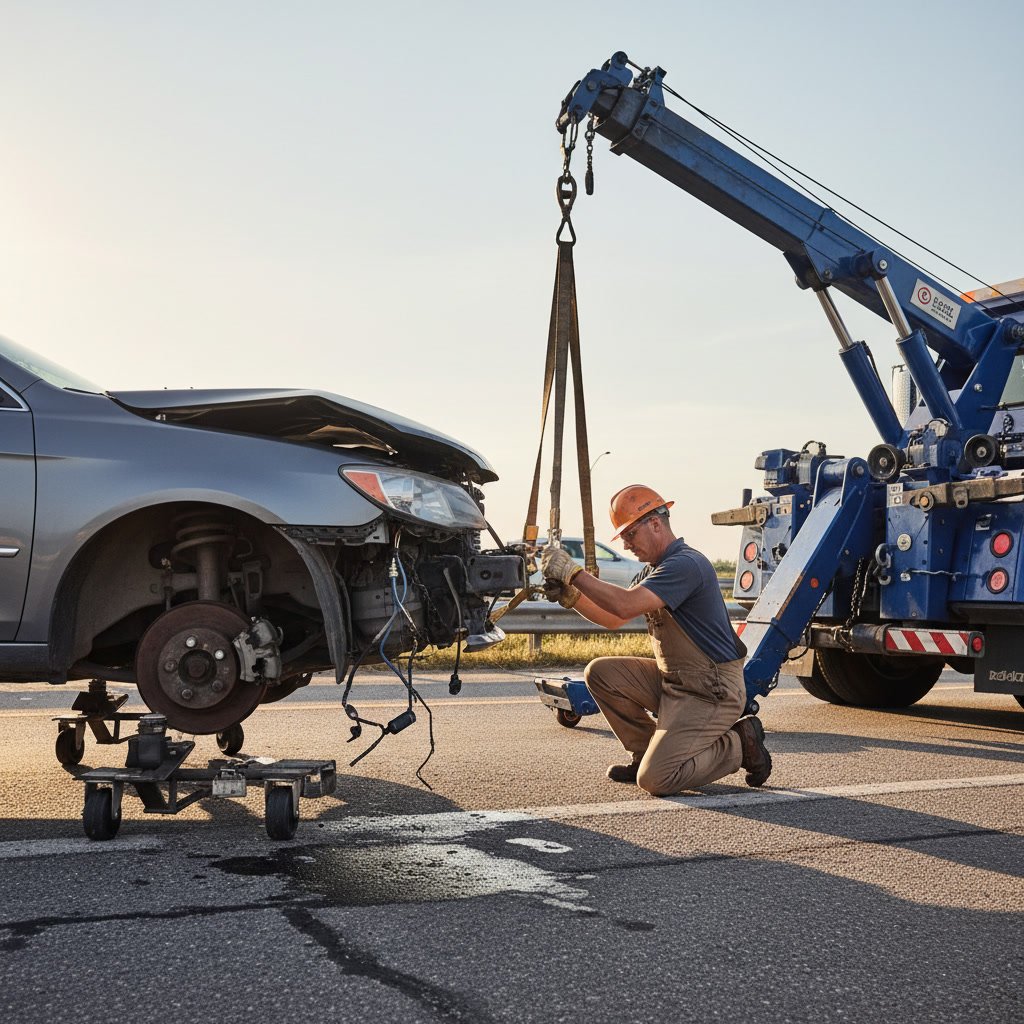
Factors that affect arrival time include distance from the nearest available truck, traffic conditions, and the complexity of your location. A vehicle stranded on a narrow shoulder of a busy interstate may require additional safety measures and coordination with law enforcement, adding time to the response.
Reputable companies provide estimated arrival windows during the initial call and update you if delays occur. If you are in an unsafe location, the dispatcher may advise you to move to a safer spot nearby or contact local authorities for traffic control until the truck arrives.
What the Driver Does When Arriving at Your Location in Seattle
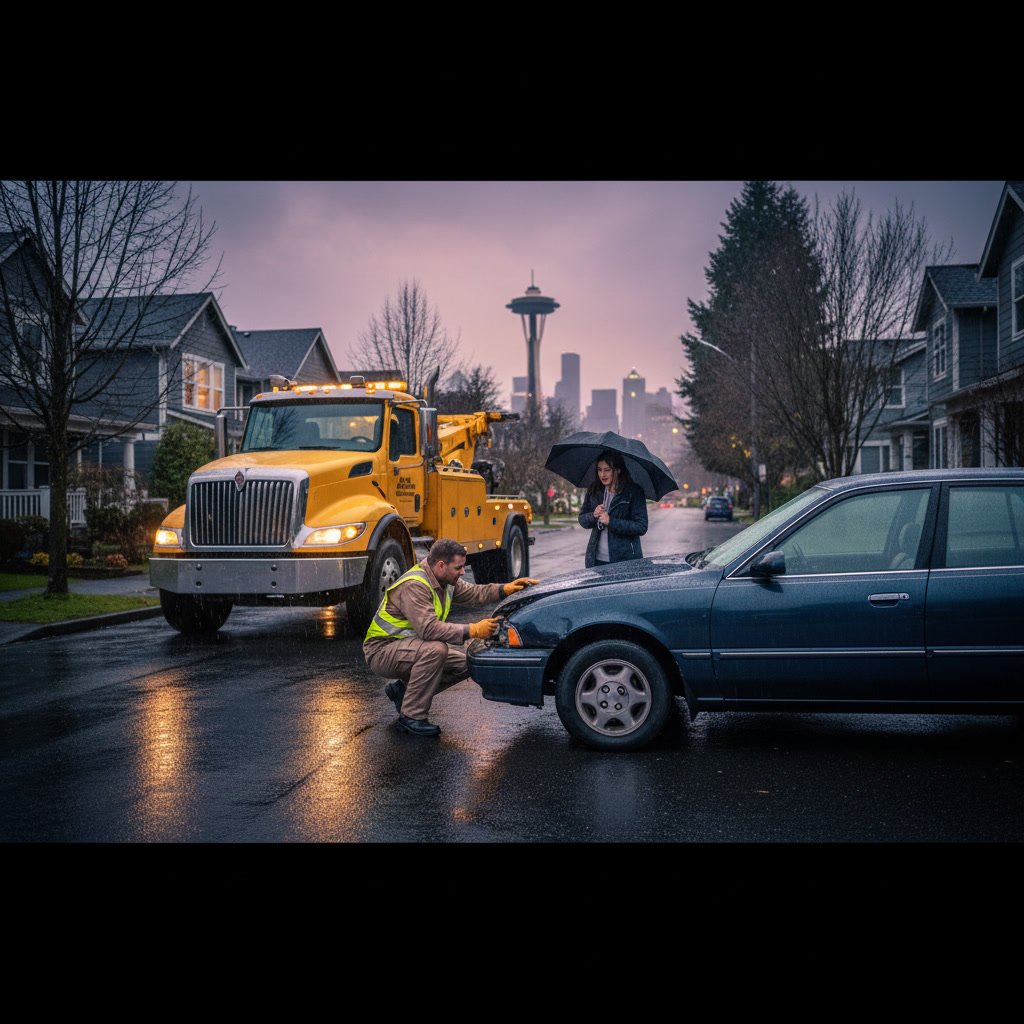
The driver first assesses your vehicle and surroundings to identify hazards such as traffic, uneven ground, or overhead obstructions. Safety is the top priority. The driver may position the truck to block traffic temporarily, deploy warning lights, and set out reflective cones or triangles to protect the work area.
Next, the driver inspects your vehicle for existing damage and may ask you to sign a condition report. This documentation protects both parties by recording scratches, dents, or broken parts before the vehicle is moved. Honest operators complete this step without rushing, even during busy shifts.
The driver then explains the loading process and asks you to retrieve personal belongings from the vehicle. Most towing policies prohibit transporting personal items inside the car due to liability concerns. Remove valuables, registration documents, insurance cards, and any loose items that could shift during transport.
Step-by-Step Loading and Securing Process
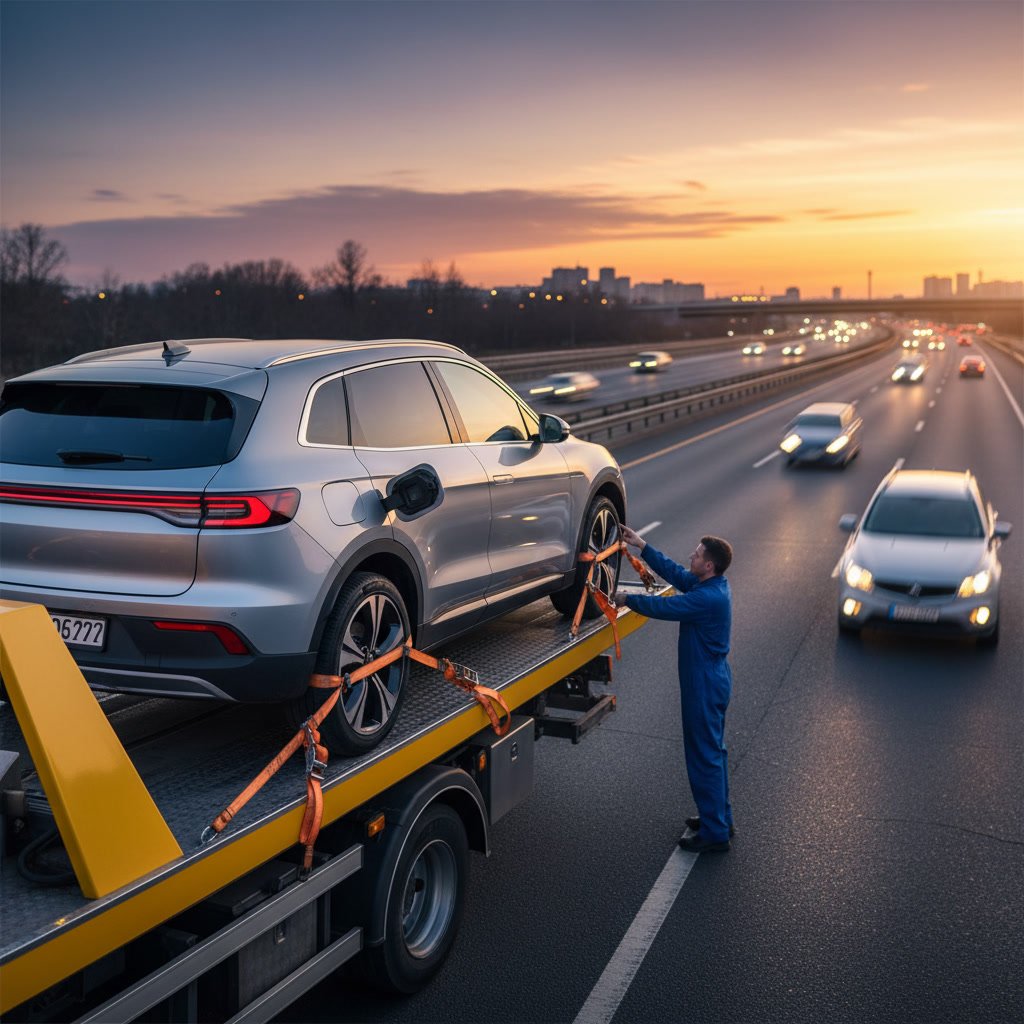
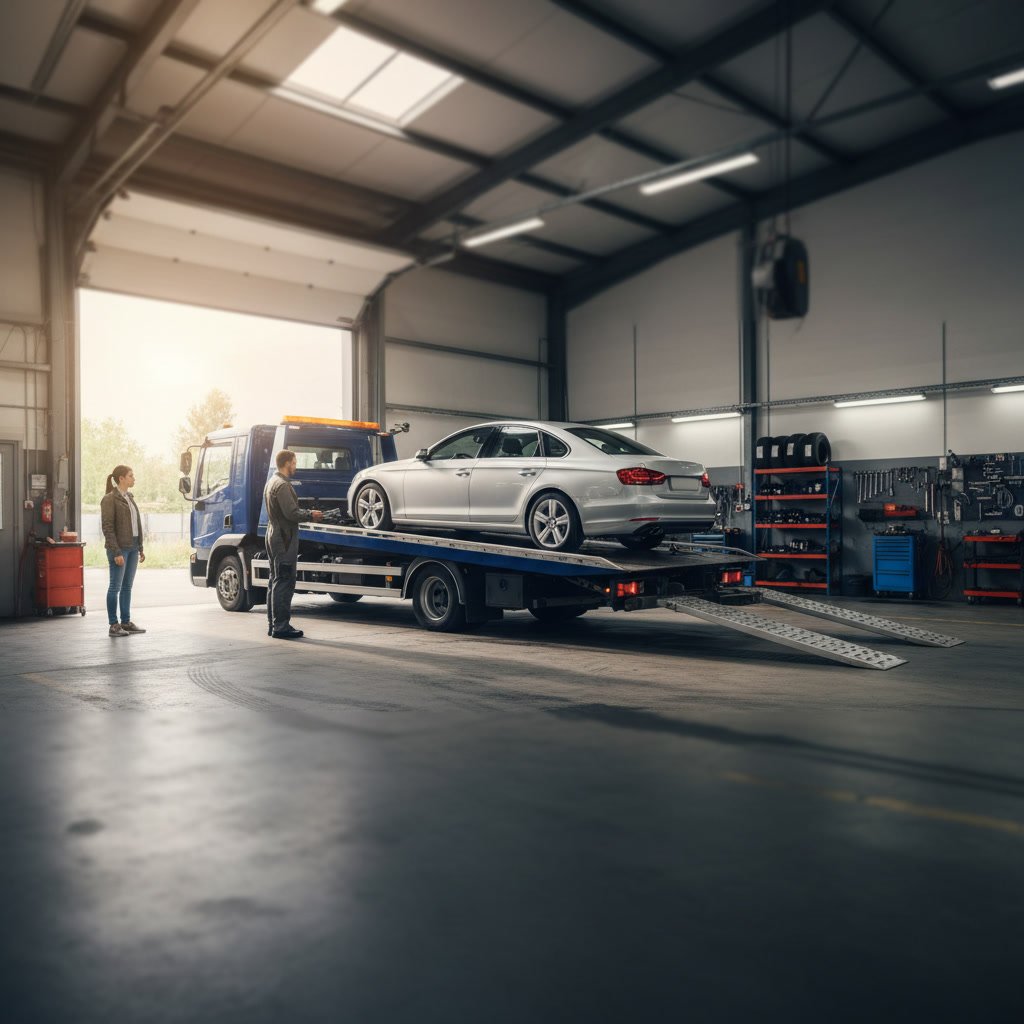
For flatbed towing, the driver tilts the bed using hydraulic controls and positions the truck so the vehicle can be winched onto the platform. A steel cable attaches to the vehicle’s frame or tow hooks, and the winch pulls the car slowly up the ramp. Once on the bed, the driver levels the platform and uses heavy-duty chains or straps to secure the vehicle at multiple points, preventing any movement during transit.
Wheel-lift towing involves positioning a metal yoke under the front or rear tires, then lifting those wheels off the ground with a hydraulic arm. The driver secures the lifted wheels with safety chains and ensures the remaining wheels roll freely. This method works well for most front-wheel-drive and rear-wheel-drive cars, but all-wheel-drive vehicles often require flatbed transport to avoid transmission damage.
Professional drivers double-check all connections before moving the vehicle. A properly secured car will not shift, bounce excessively, or scrape the ground during transport. Drivers trained in vehicle dynamics understand weight distribution and adjust tie-down points to balance the load, especially for larger trucks or vehicles with aftermarket modifications.
What Happens During the Drive to Your Destination
Once loaded, the driver transports your vehicle to the destination you specified during the initial call. This may be your home, a repair shop, a dealership, or a storage facility. Drivers take routes that minimize sharp turns, steep grades, and rough pavement to reduce stress on the vehicle and towing equipment.
During transport, the driver monitors the load through mirrors and makes adjustments if needed. Professional operators avoid sudden stops or high speeds that could cause the vehicle to shift. Most companies carry commercial insurance that covers damage occurring during the tow, but preventing damage through careful driving is always the first priority.
If you requested a ride along, some companies allow one passenger in the truck cab, though this varies by company policy and insurance coverage. Others may arrange for a separate ride or suggest you use a rideshare service to meet the truck at the destination.
Unloading Your Vehicle Safely at the Drop-Off Point
Upon arrival, the driver surveys the drop-off area for obstacles, overhead clearance, and ground stability. Unloading on soft soil, steep inclines, or narrow driveways requires extra caution. The driver may ask you to direct them to a specific parking spot or may recommend an alternative location if the original spot poses a risk.
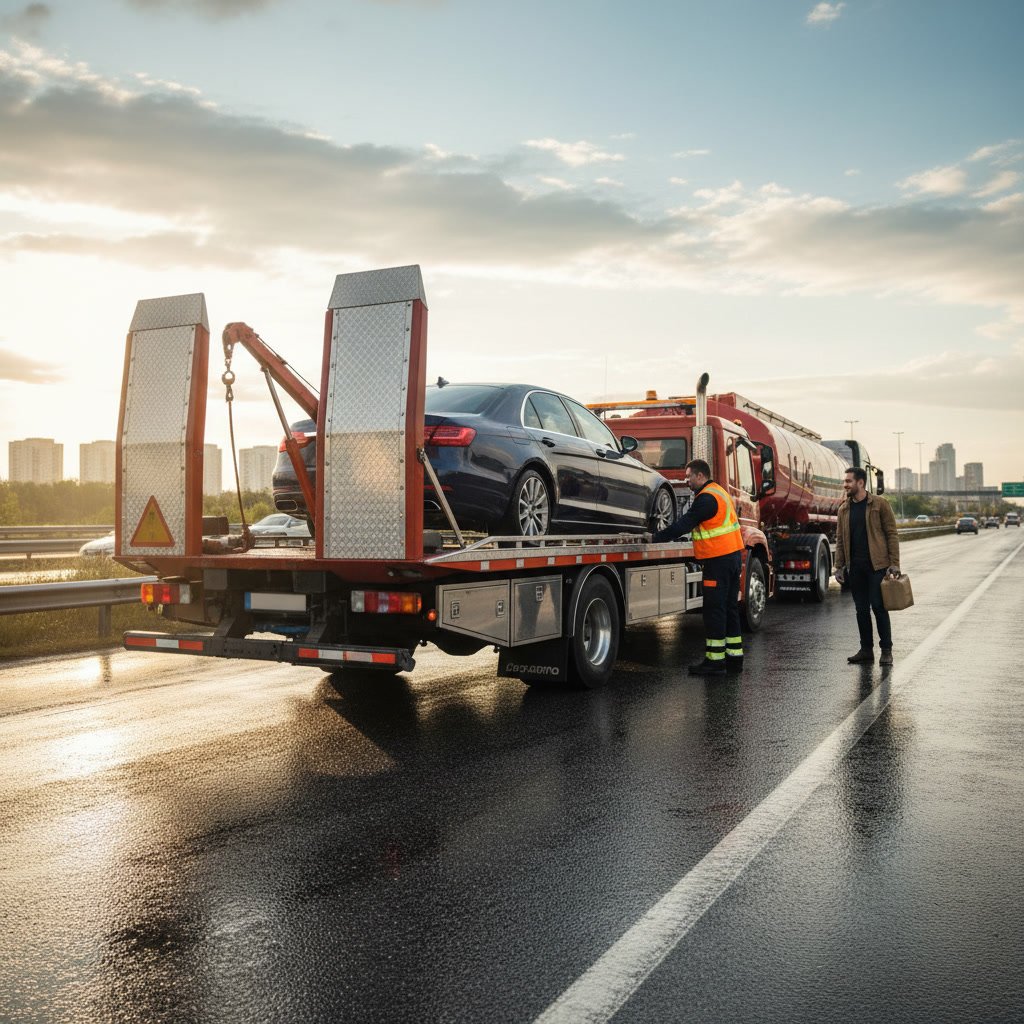
For flatbed trucks, the driver tilts the bed again and uses the winch to lower your vehicle gently to the ground. Wheel-lift trucks lower the lifted wheels and release the yoke. In both cases, the driver removes all straps, chains, and securing devices, then performs a final walk-around to confirm no equipment remains attached.
The driver hands you the keys and any paperwork, including the signed condition report and invoice. If you notice new damage that was not documented before loading, report it immediately while the driver is still on-site. Reputable companies address damage claims through their insurance and want to resolve issues before leaving the scene.
How Professional Companies Handle Payment and Paperwork
Payment terms vary by company. Some require payment before unloading, while others invoice you later. Common payment methods include credit cards, debit cards, and cash. A few companies still accept checks, though this is less common due to fraud concerns.
The invoice should itemize the base towing fee, mileage charges, and any additional services such as winching, after-hours rates, or storage. Pinocchio Towing LLC operates with fixed pricing and transparent billing, so you know the cost upfront without surprise fees added at the end. This honesty builds trust and eliminates the anxiety that comes with unclear estimates.
Keep all receipts and signed documents for insurance claims or warranty purposes. If your vehicle was towed due to an accident, your insurance company will likely reimburse the towing cost under your policy’s roadside assistance or collision coverage. Submit the invoice and any photos of the incident to expedite the claim process.
Common Mistakes Vehicle Owners Make During Towing
One frequent error is failing to tell the dispatcher about a locked steering wheel or engaged parking brake. These conditions can complicate loading and may require extra time or equipment to resolve. Always mention any mechanical issues, aftermarket modifications, or damage that affects how the vehicle rolls or steers.
Another mistake is leaving valuables inside the car. Towing companies are not responsible for items left in the vehicle, and some policies explicitly exclude liability for personal property. Remove electronics, wallets, and important documents before the driver begins loading.
Some owners also choose the wrong destination in a rush. If you send your car to a shop that is closed or cannot handle your specific repair, you may incur additional towing fees to move it again. Verify the destination’s hours, services, and availability before the truck leaves your location. If you are uncertain, ask the driver for recommendations based on your vehicle type and issue.
Why Choosing the Right Towing Partner Matters
Not all towing companies maintain the same standards. Unlicensed operators may use outdated equipment, lack proper insurance, or employ untrained drivers. These shortcuts put your vehicle at risk and leave you without recourse if something goes wrong. Professional services invest in regular equipment maintenance, ongoing driver training, and comprehensive insurance coverage.
Established companies also value their reputation and prioritize customer satisfaction. They arrive on time, communicate clearly, and treat your vehicle with care. Pinocchio Towing LLC has built its reputation since 2020 on technical expertise and honest service, providing 24/7 availability to drivers throughout the region who need reliable help during roadside emergencies.
When you choose a trusted provider, you gain peace of mind knowing your vehicle is in capable hands. Whether you need a standard tow, towing in Seattle, WA 98178, or specialized services, working with a company that values transparency and professionalism makes a stressful situation manageable.
What to Do After Your Vehicle Is Delivered
Once your vehicle arrives at its destination, inspect it thoroughly for any new damage. Compare its condition to the pre-tow documentation and take photos if you notice anything unusual. If the vehicle was towed to a repair shop, provide the mechanic with details about what happened and any symptoms you noticed before the breakdown.
If the tow was due to an accident, contact your insurance company as soon as possible to report the incident and submit the towing invoice. Many policies cover towing and roadside assistance up to a certain dollar amount per incident. Prompt reporting helps you receive reimbursement faster and keeps your claim moving forward.
For vehicles towed to storage or your home, secure the keys and ensure the vehicle is parked safely. If you plan to leave it for an extended period, consider disconnecting the battery to prevent drain and placing a cover over it to protect the paint and interior from the elements.
Understanding the towing process from call to delivery removes uncertainty and helps you communicate effectively with your towing provider. Professional operators follow proven steps to secure, transport, and unload your vehicle safely, using equipment matched to your car’s needs. Choosing a reliable company with transparent pricing and skilled drivers ensures your vehicle reaches its destination without added stress or unexpected costs.
If you need dependable towing or roadside help anywhere in the greater Seattle area, Pinocchio Towing LLC is available around the clock to assist you. Our team uses modern equipment and follows industry best practices to protect your vehicle at every stage. Reach out at +1 206-202-0009 anytime you need fast, honest service you can trust.