When your car breaks down on State Route 520 or in a Kirkland parking lot, getting it towed quickly is important. But choosing the wrong towing method can lead to expensive transmission damage, bent suspension components, or drivetrain problems that cost thousands to repair. Professional car towing Kirkland services know exactly how to transport your vehicle safely, but understanding the proper techniques yourself helps you make informed decisions and protect your investment.
This guide walks you through the essential steps to ensure your car is towed correctly, the different towing methods and when each applies, and what to ask your tow operator before they hook up your vehicle.
Why Improper Towing Causes Transmission and Suspension Damage
Your transmission was designed to move power from the engine to the wheels while the vehicle is running. When a car is towed with the drive wheels on the ground and the engine off, the transmission components turn without proper lubrication. This creates friction, heat, and metal-on-metal contact that can destroy gears, clutches, and seals.
Automatic transmissions are especially vulnerable. Towing a front-wheel-drive car with the front wheels down or an all-wheel-drive vehicle with any wheels touching pavement can cause catastrophic damage within just a few miles.
Suspension damage typically occurs when tow operators use improper hookup points or lift angles. Modern cars have complex suspension geometry, and attaching chains or straps to the wrong locations can bend control arms, damage tie rods, or stress mounting points beyond their design limits.
The Safest Method for Car Towing Kirkland
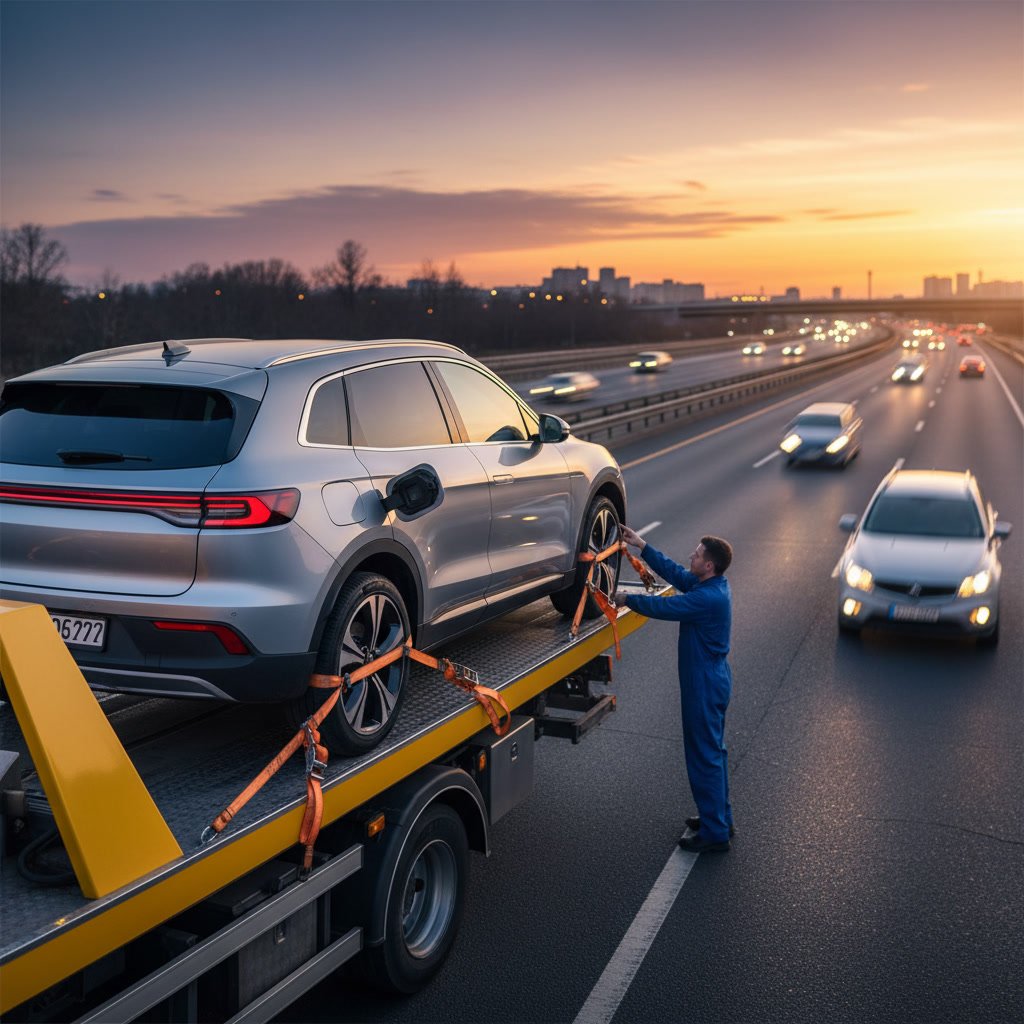
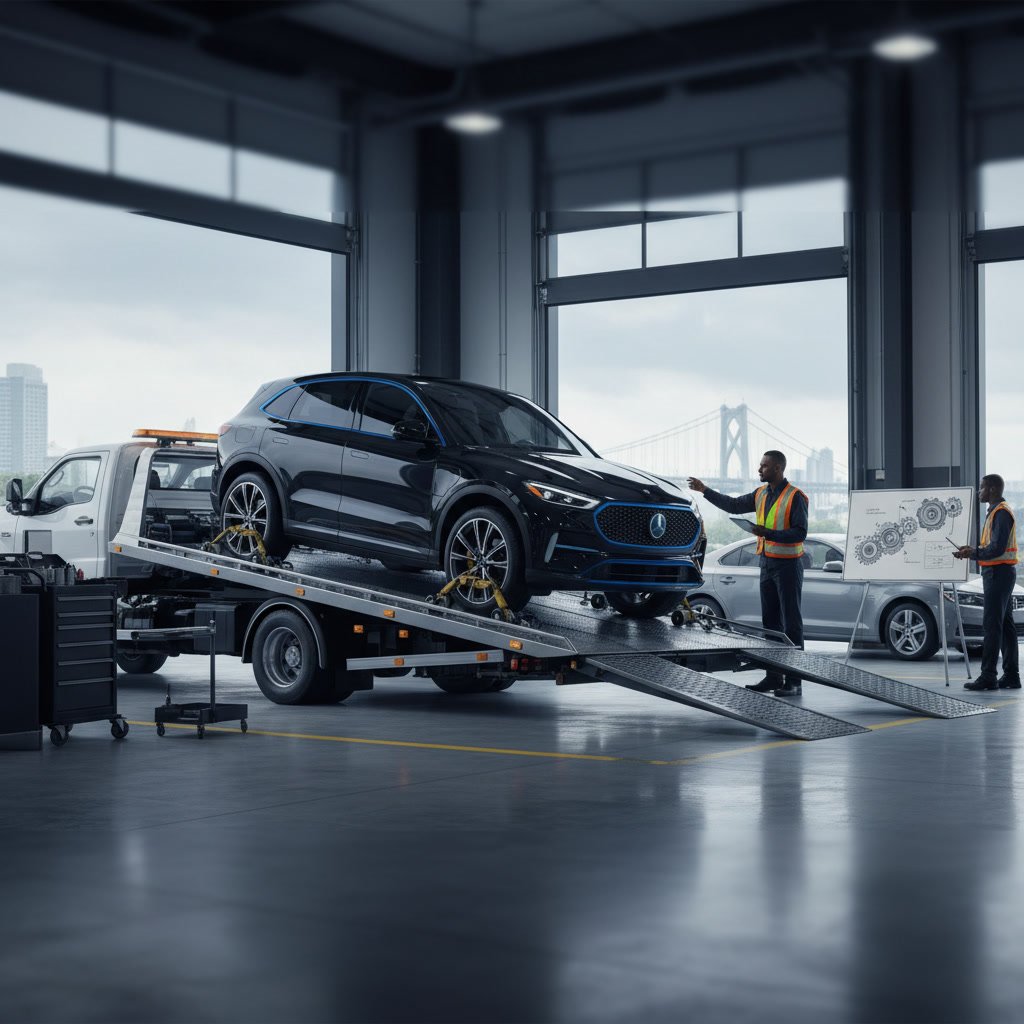
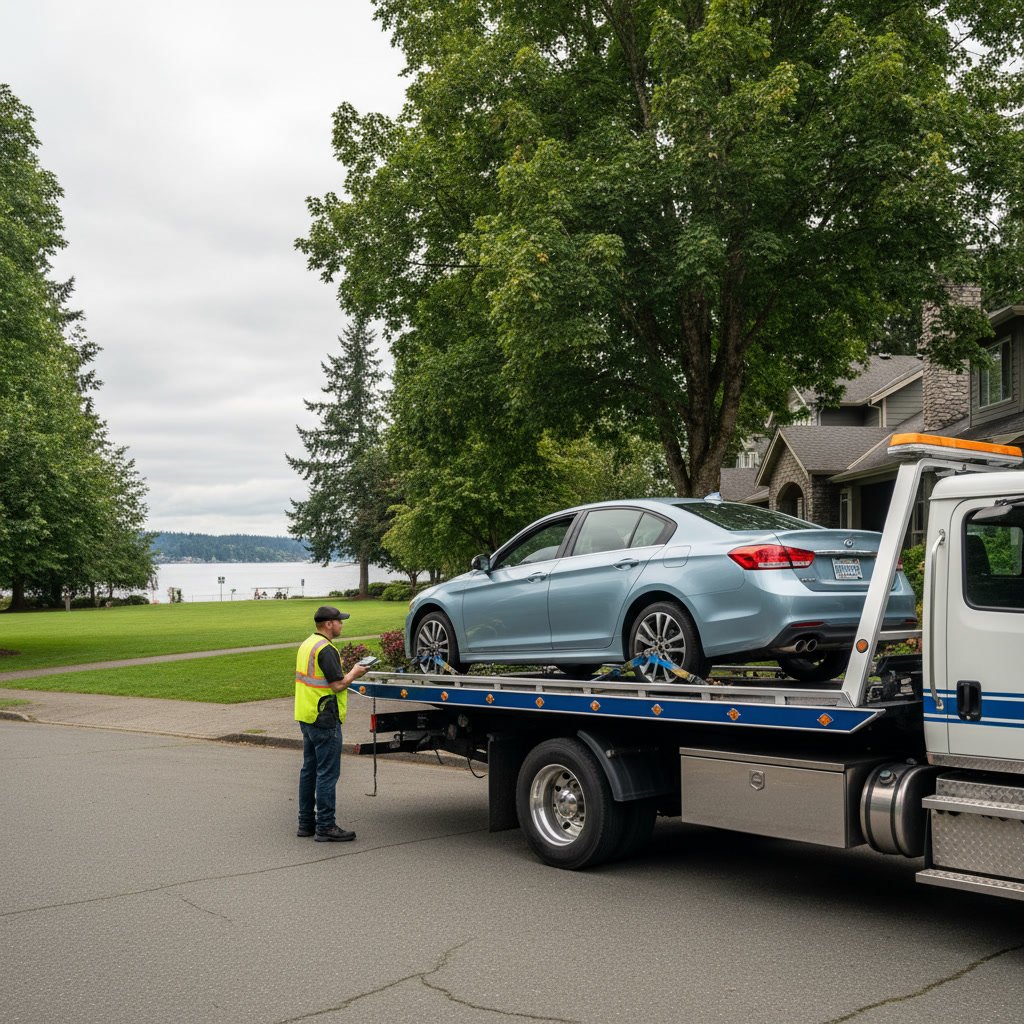
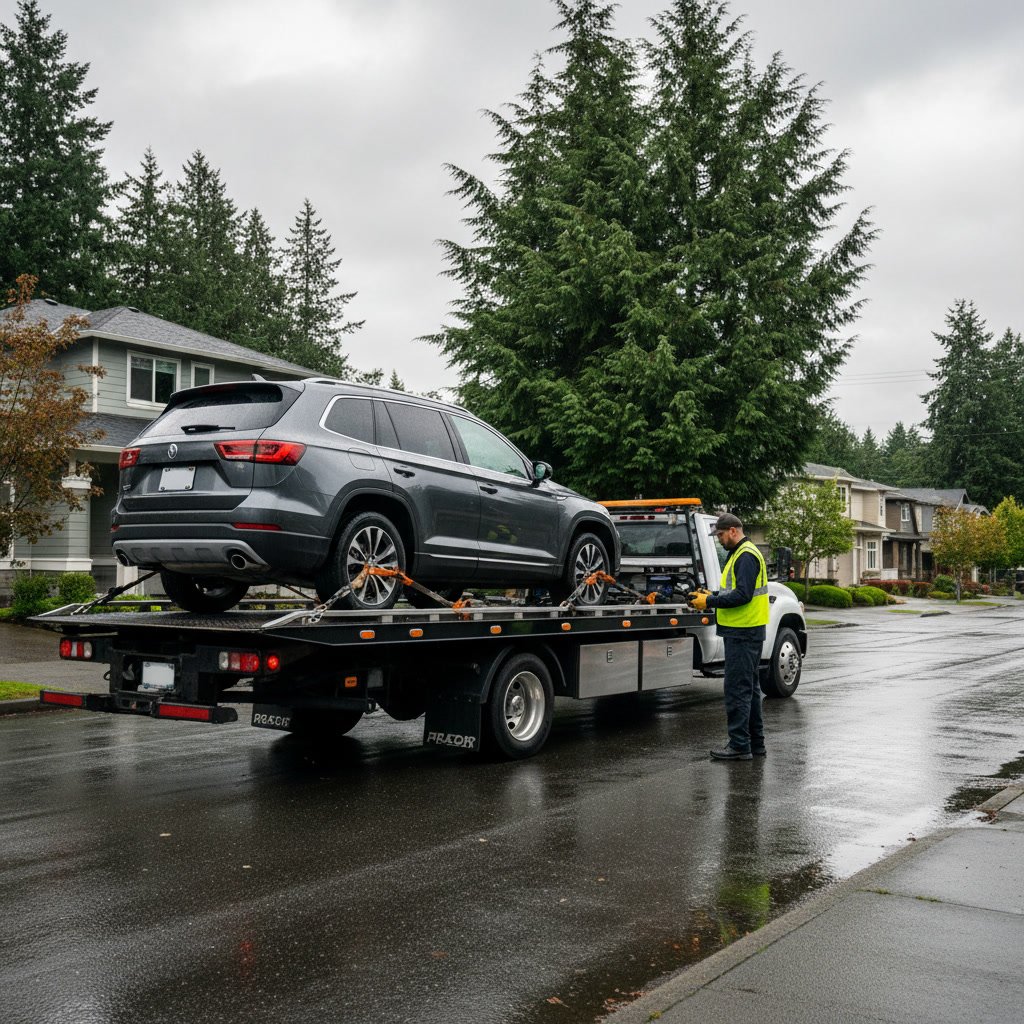
Flatbed towing is the gold standard for vehicle transport. The entire car sits on a flat platform with all four wheels off the ground, eliminating any risk of transmission or drivetrain damage. No wheels turn, no components spin without lubrication, and your suspension remains in its natural resting position.
Every vehicle type benefits from flatbed towing. Front-wheel drive, rear-wheel drive, all-wheel drive, and four-wheel drive cars are all transported safely. Luxury vehicles, sports cars, and low-clearance models also avoid scraping or ground contact issues.
Flatbed service costs slightly more than wheel-lift towing in some cases, but the price difference is minimal compared to a $3,000 transmission rebuild or suspension repair. When you call for roadside assistance, specifically request a flatbed truck if your vehicle has all-wheel drive or you’re unsure about the proper towing method.
When Wheel-Lift Towing Is Acceptable
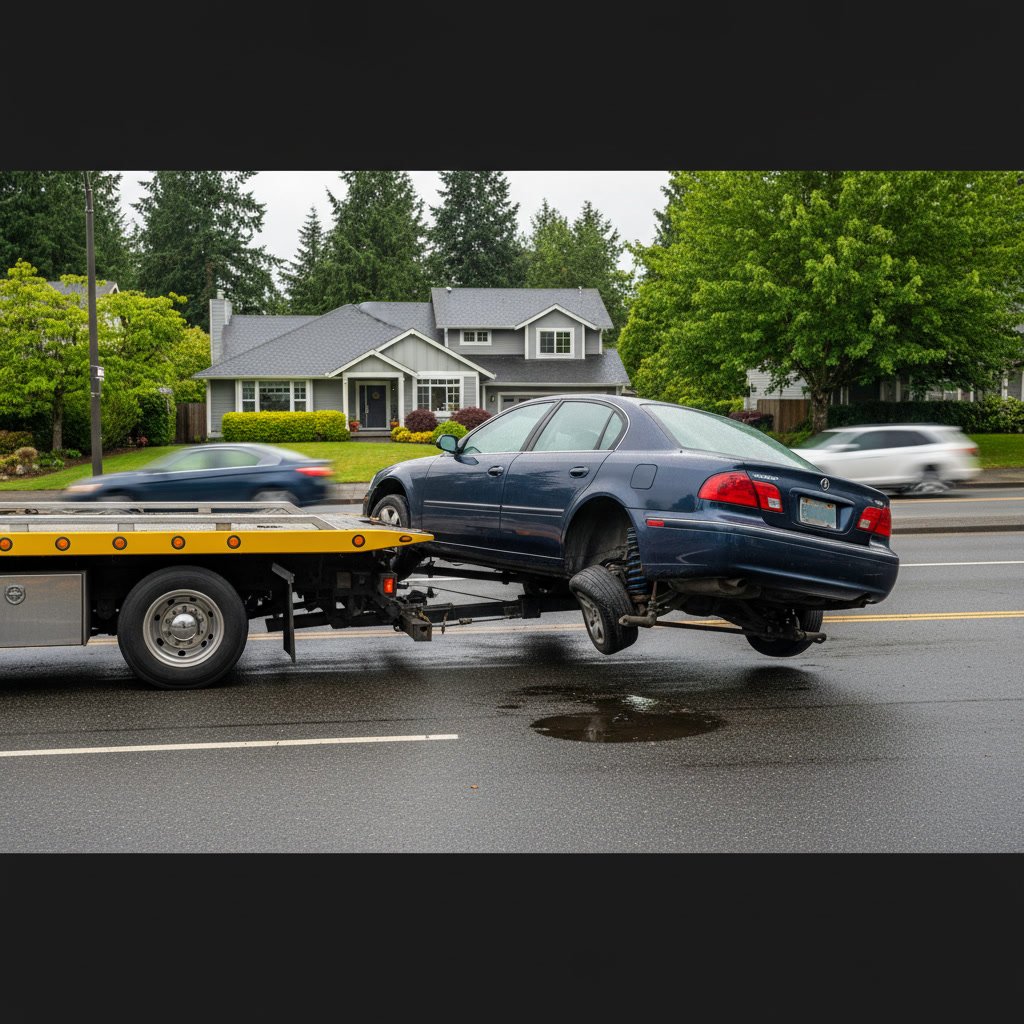
Traditional wheel-lift towing lifts either the front or rear wheels off the ground using a metal yoke while the opposite end rolls on the pavement. This method works safely only in specific situations.
Front-Wheel Drive Vehicles
If your car is front-wheel drive, the tow truck should lift the front wheels. The rear wheels can roll freely without engaging the transmission because they’re not connected to the drivetrain. This is safe for distances under 50 miles and is the most common towing configuration for standard sedans and compact cars.
Rear-Wheel Drive Vehicles
Rear-wheel drive cars should be towed with the rear wheels lifted and the front wheels rolling. Again, the non-drive wheels can safely roll without transmission involvement. Pickup trucks and older sedans typically fall into this category.
When Wheel-Lift Fails
Wheel-lift towing is not safe for all-wheel drive or four-wheel drive vehicles unless a dolly is used to lift the rolling wheels off the ground. Even with neutral selected, AWD systems often maintain mechanical connections that will spin transmission components. The same applies to certain luxury vehicles with complex electronic systems that can’t be fully disengaged.
Pro Tip: Check your owner’s manual for the towing section. Most manufacturers specify whether your model can be flat-towed, requires a dolly, or must be transported on a flatbed. Keep a photo of this page on your phone for roadside emergencies.
All-Wheel Drive and Four-Wheel Drive Special Considerations
AWD and 4WD systems present unique challenges for towing. These drivetrains send power to all four wheels, meaning all four wheels connect mechanically to the transmission in some way. Even in neutral, components inside the transfer case and differentials may turn when the wheels roll.
Subaru, Audi, and many SUVs require flatbed towing unless the driveshaft is disconnected. Disconnecting a driveshaft is possible but time-consuming and requires mechanical knowledge. Most tow operators won’t perform this service roadside.
Some 4WD trucks allow the transfer case to be placed in neutral, fully disconnecting the drivetrain. This configuration permits flat-towing behind RVs, and those same vehicles can usually be wheel-lift towed safely. However, you must verify your specific model’s requirements because not all 4WD systems work the same way.
When searching for reliable car towing Kirkland services, confirm the operator has flatbed capability before they dispatch a truck. This saves time and prevents a wheel-lift truck from arriving for a vehicle that can’t be safely towed that way.
How to Protect Your Suspension During the Tow
Even with the correct towing method, poor technique can damage suspension components. Professional operators know where to attach straps and chains, but understanding the process helps you spot potential problems.
Proper Attachment Points
Tow trucks should use factory-designed tow hooks or frame attachment points. These locations are engineered to handle the stress of lifting and securing the vehicle. Attaching to suspension components, body panels, or undercarriage plastic can cause bending, cracking, or tearing.
Most modern vehicles have reinforced front and rear tow hooks hidden behind small removable panels in the bumper cover. Your owner’s manual shows their location. Point these out to the tow operator if they’re not immediately visible.
Avoiding Excessive Angles
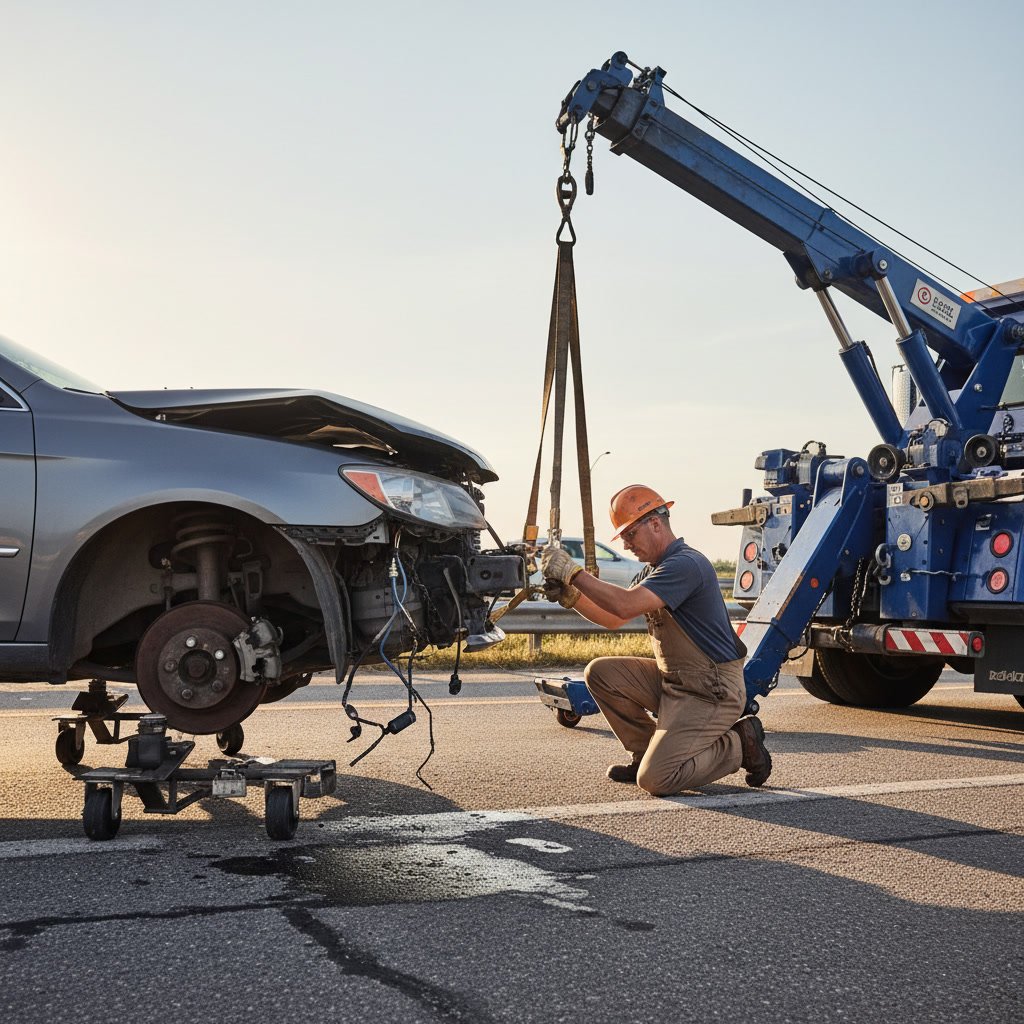
Wheel-lift towing creates an angle between the lifted end and the ground. If this angle is too steep, the vehicle’s frame can contact the pavement when driving over bumps or inclines. Low-clearance sports cars and vehicles with front air dams are especially vulnerable.
Skilled operators use wheel dollies or adjust the lift height to maintain adequate clearance. If you see the undercarriage scraping during hookup, speak up immediately. This is another reason flatbed towing is preferable for any vehicle with limited ground clearance.
Securing the Vehicle Properly
Once loaded, your car must be secured with multiple tie-down straps or chains. These should attach to frame points, not to suspension arms or steering components. Excessive pressure on suspension parts during transport can bend control arms or damage bushings.
Quality towing services use at least four attachment points and check tension to prevent the vehicle from shifting. The car should not bounce excessively on the flatbed or move side-to-side.
Questions to Ask Before the Tow Truck Arrives
When you call for car towing Kirkland assistance, asking the right questions upfront prevents problems and ensures the correct equipment arrives.
First, ask if they have a flatbed available. If your vehicle has AWD, 4WD, or you’re unsure about the safe towing method, flatbed is mandatory. Confirm the operator can accommodate your vehicle’s size and weight. Standard flatbeds handle most cars and light trucks, but heavy-duty vehicles may require specialized equipment.
Second, describe your vehicle’s condition. If the steering is locked, wheels are turned sharply, or the parking brake is stuck, the operator needs to know. These situations require different techniques or tools. A locked steering wheel may need special dollies, and a seized parking brake might require a flatbed even for a vehicle that could otherwise be wheel-lift towed.
Third, confirm pricing and coverage area. Ask for the base fee and per-mile rate. Verify they service your exact location in Kirkland, whether you’re near downtown, Totem Lake, or Juanita. Companies like Pinocchio Towing LLC serve Kirkland along with Seattle, WA 98178, Redmond, Edmonds, and Everett, providing consistent regional coverage.
Fourth, ask about their response time. If you’re in a dangerous location like a freeway shoulder, every minute matters. Operators with 24/7 availability typically respond within 30 to 45 minutes depending on traffic and distance.
What Happens If Your Car Gets Damaged During Towing
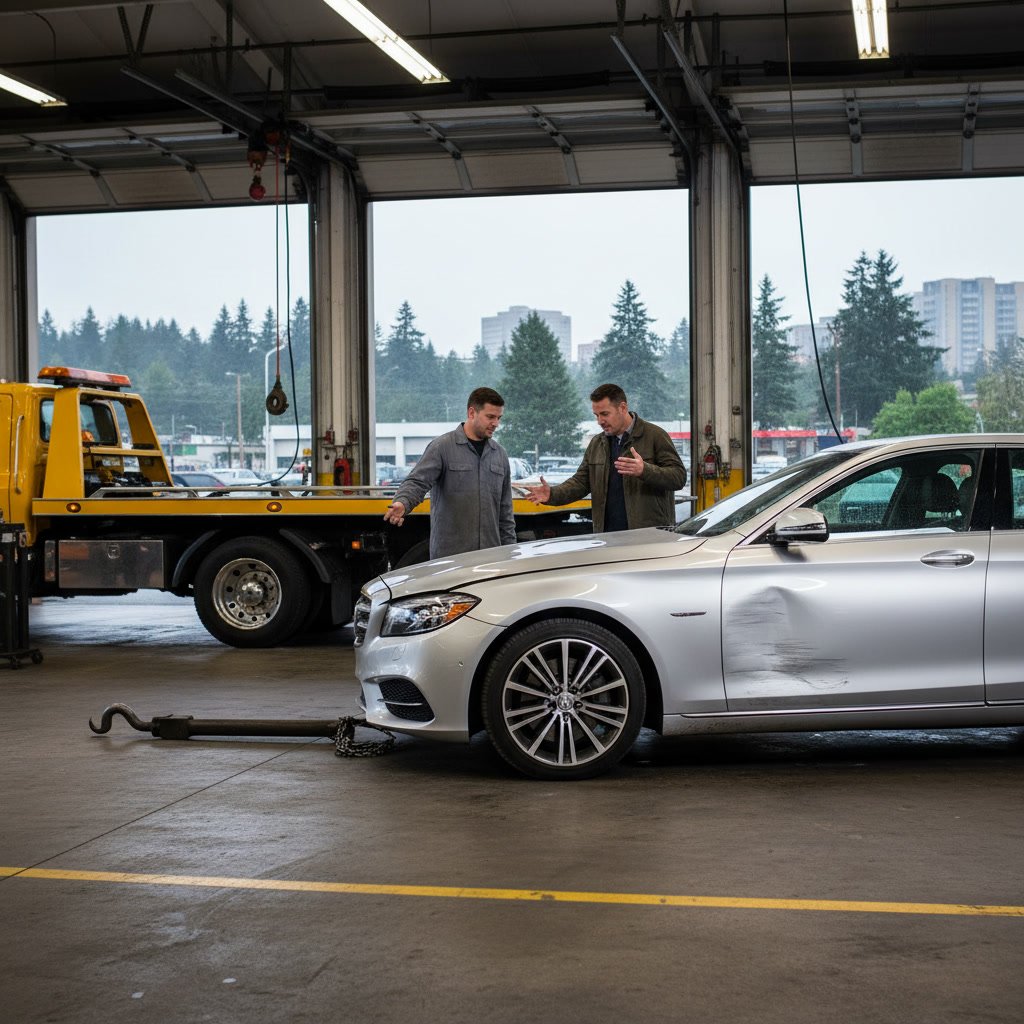
Reputable towing companies carry insurance that covers damage caused during transport. Before the tow begins, walk around your vehicle with the operator and note any existing damage. Take photos of all four sides, the undercarriage if visible, and any areas of concern.
After delivery, inspect the vehicle again before signing any paperwork. Check for new scratches, dents, fluid leaks, or suspension issues. If you discover damage, document it immediately with photos and written notes. Contact the towing company’s office right away to file a claim.
Most damage occurs from improper hookup methods or failure to secure the vehicle correctly. This is why choosing experienced professionals matters. Companies with decades of experience and positive customer reviews are less likely to cause damage and more likely to handle claims fairly if problems arise.
Additional Services That Prevent the Need for Towing
Sometimes a full tow isn’t necessary. Many roadside situations can be resolved on-site, getting you back on the road without transporting the vehicle.
If your battery dies, a jumpstart service can have you running in minutes. Dead batteries are one of the most common roadside issues, especially during cold Seattle-area winters. Professional operators carry commercial-grade jump packs that safely start vehicles without risking electrical system damage.
Running out of fuel is another common problem that doesn’t require a tow. Fuel delivery services bring gasoline or diesel directly to your location, typically within 30 to 45 minutes. This is faster and less expensive than towing to the nearest station. If you’ve experienced this before, you might find helpful information in our guide on emergency fuel delivery in Kirkland.
Flat tires can often be changed on-site if you have a spare. Roadside assistance includes tire changes, saving you the cost of a tow to a repair shop. However, if the tire damage also affected the wheel or suspension, towing may still be necessary for safety.
Locked keys inside the vehicle used to mean an automatic tow to a dealership. Now, many roadside services include lockout assistance, using specialized tools to unlock doors without damage. This service is faster and cheaper than towing, and you can be on your way in under 30 minutes.
Choosing the Right Towing Company in Kirkland
Not all towing companies operate with the same standards. When your vehicle needs transport, the company you choose directly impacts whether your car arrives safely or with new damage.
Look for companies with proper licensing and insurance. Washington State requires tow operators to carry specific liability coverage. Don’t hesitate to ask for proof of insurance before allowing them to touch your vehicle.
Experience matters significantly. Companies that have operated for years build reputations based on quality service. Pinocchio Towing LLC has served the Seattle area since 2020, building expertise through thousands of successful tows and roadside assists. Long-standing businesses invest in quality equipment, ongoing training, and customer satisfaction because their reputation depends on it.
Check for 24/7 availability. Breakdowns don’t happen on a schedule. Companies that offer round-the-clock service ensure you’re never stranded waiting until morning. Emergency situations, especially those involving safety hazards like highway shoulders, require immediate response regardless of the time.
Read reviews and ask for recommendations. Online reviews reveal patterns in service quality, response times, and how companies handle problems. A few negative reviews are normal, but consistent complaints about damage, hidden fees, or poor communication are red flags.
Transparent pricing is essential. The company should clearly explain their rate structure over the phone. This includes the base hook-up fee, per-mile charges, and any additional costs for after-hours service or special equipment. Surprise fees after the tow is complete indicate poor business practices.
Frequently Asked Questions
Can I tow my AWD vehicle with the front wheels off the ground?
No, AWD vehicles should not be towed with any wheels on the ground unless the driveshaft is disconnected. Even with the front wheels lifted, the rear wheels turning can spin transmission components and cause damage. Always use flatbed towing for AWD vehicles.
How much does flatbed towing cost in Kirkland?
Flatbed towing typically costs between $75 and $125 for the base service call plus $3 to $5 per mile. Short distances under five miles usually fall within the base fee. Prices may increase for after-hours service or if special equipment is needed. Always confirm pricing before the truck is dispatched.
Will towing damage my car’s electronics or computer systems?
Proper towing does not damage vehicle electronics. However, jumpstarting incorrectly or using poor-quality equipment can cause electrical problems. Professional operators use equipment designed to protect modern vehicle systems. Battery disconnection during transport is rarely necessary but can be done if the vehicle has electrical faults.
How long does it take for a tow truck to arrive in Kirkland?
Response times average 30 to 45 minutes depending on your exact location, traffic conditions, and the company’s current call volume. Companies with multiple trucks stationed throughout the service area respond faster. Emergency situations on highways or dangerous locations often receive priority dispatch.
Do I need to be present when my car is towed?
Yes, you should be present whenever possible. You’ll need to provide keys, specify the destination, sign authorization paperwork, and document the vehicle’s condition before transport. If you absolutely cannot be present, you’ll need to arrange alternative authorization and key access with the towing company in advance.
Getting Professional Help When You Need It
Understanding proper towing methods protects your vehicle from unnecessary damage and helps you make informed decisions during stressful roadside situations. Whether you drive a standard sedan, a luxury AWD vehicle, or a pickup truck, knowing which towing method your car requires ensures safe transport.
When you need reliable car towing Kirkland service with proper equipment and experienced operators, Pinocchio Towing LLC provides 24/7 assistance throughout Kirkland, Seattle, Redmond, Edmonds, and Everett. Our team uses professional-grade flatbed and wheel-lift trucks, understands the specific requirements for different vehicle types, and prioritizes safe transport that protects your transmission and suspension.
For immediate assistance or to discuss your specific towing needs, call +1 206-202-0009 anytime day or night. Our operators will ask the right questions, dispatch the appropriate equipment, and ensure your vehicle reaches its destination safely and efficiently.