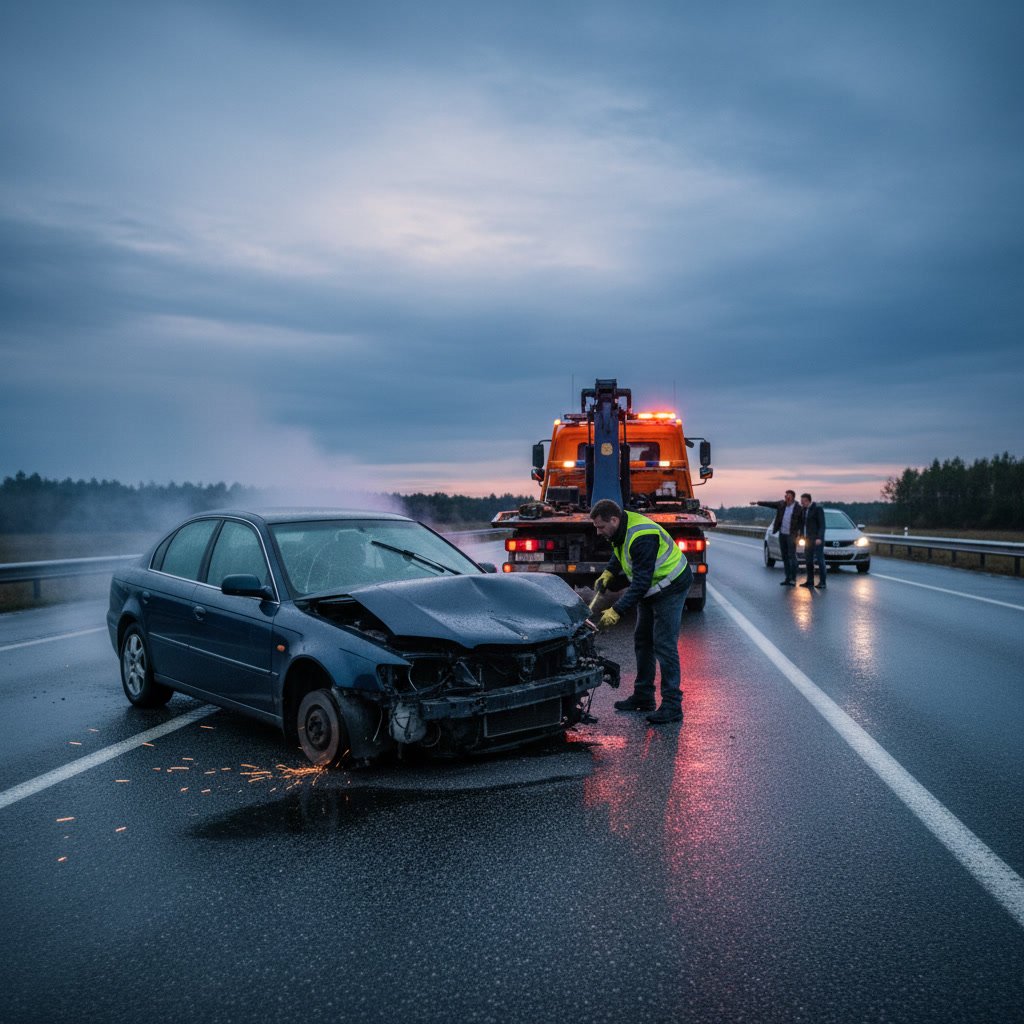
Breaking down on a busy highway creates immediate danger. When your vehicle stops working on I-5 or Highway 99 in Edmonds, every minute counts. Heavy traffic, narrow shoulders, and weather conditions make these corridors particularly hazardous for stranded motorists. Getting fast roadside assistance in Edmonds requires knowing who to call, where you are, and how to stay safe until help arrives.
This guide covers the essential steps for securing emergency help quickly, the specific challenges of I-5 and Highway 99 breakdowns, and how professional services respond to highway emergencies in the Edmonds area.
Why I-5 and Highway 99 Breakdowns Require Immediate Response
Interstate 5 through Edmonds carries more than 200,000 vehicles daily during peak periods. Highway 99 runs parallel through commercial districts with constant traffic flow. Both routes present specific hazards for disabled vehicles.
Shoulder width on I-5 varies from eight to twelve feet in the Edmonds segment. Some sections offer no shoulder at all, forcing disabled vehicles into active traffic lanes. Highway 99 features frequent intersections, driveways, and limited pull-off areas, making safe stopping locations scarce.
The risk of secondary collisions increases every minute a vehicle remains on the highway. Washington State Patrol data shows that vehicles disabled in traffic lanes face collision risk within the first 10 minutes. Moving to the shoulder reduces but does not eliminate this danger.
Professional roadside assistance teams understand these risks and prioritize highway calls. Response time becomes the critical factor in preventing injuries and additional vehicle damage.
Immediate Steps When Your Vehicle Breaks Down
The moment you realize your vehicle is failing, begin moving toward the shoulder. Use turn signals even if traffic seems light. Maintain as much speed as safely possible until you clear the traffic lane.
If the engine dies completely, use momentum to coast as far right as possible. Every foot of distance from active lanes improves your safety margin.
Activating Hazard Lights and Visibility Markers
Turn on hazard lights immediately. These four-way flashers remain your primary warning to other drivers. They function even when the engine is off, drawing power from the battery.
If you carry emergency triangles or flares, place them 100 to 300 feet behind your vehicle. This early warning gives approaching drivers time to change lanes. Avoid walking in traffic lanes when placing these markers.
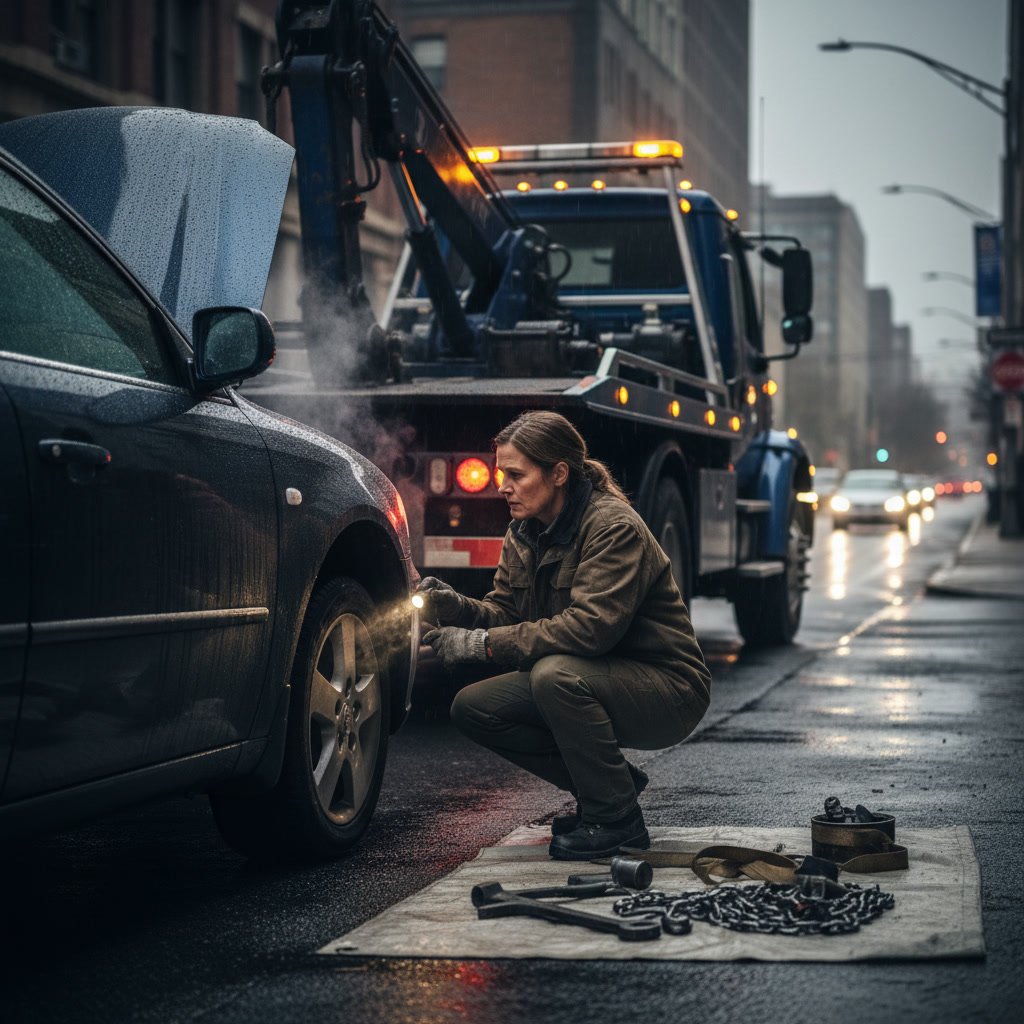
At night or during rain, visibility drops dramatically. Your hazard lights may not provide sufficient warning. Consider using a flashlight or phone light to increase visibility if you must exit the vehicle.
Deciding Whether to Stay in the Vehicle
This decision depends on your exact location. If you reached a wide shoulder with a guardrail between you and traffic, staying inside offers protection from passing vehicles.
If your vehicle sits partially in a travel lane or on a narrow shoulder without barriers, exiting may be safer. Move beyond the guardrail or up an embankment, staying clear of traffic.
Never stand directly behind your vehicle. Rear-end collisions push disabled vehicles backward with tremendous force.
How to Contact Roadside Assistance Edmonds Services Quickly
Speed matters when you are stranded on a highway. Having contact information saved before an emergency eliminates fumbling through searches while stressed.
Calling a local service like Pinocchio Towing LLC at +1 206-202-0009 connects you directly with dispatchers who know Edmonds roads. Local companies often reach highway locations faster than national call centers that must route requests through multiple systems.
When you call for roadside assistance Edmonds providers, have this information ready: your exact location with mile markers or cross streets, the nature of your vehicle problem, whether you are in a safe location, and your vehicle type and color.
Using Mile Markers and Landmarks for Precise Location
Highway mile markers appear every tenth of a mile on I-5. These green rectangular signs with white numbers give dispatchers pinpoint accuracy. On Highway 99, business names and intersections help identify your location.
If you are unsure of your exact position, your smartphone GPS provides coordinates. Most dispatch systems accept GPS coordinates and can locate you within seconds.
Describing nearby exits helps as well. Edmonds has distinct exits at 220th Street SW, 205th Street SW, and Highway 104. Mentioning the last exit you passed gives the driver a reference point.
What Dispatchers Need to Know
Describe your vehicle problem clearly. A flat tire requires different equipment than a dead battery or empty fuel tank. Knowing the issue allows the service to bring the right tools.
Mention if you are in a dangerous position. Vehicles sitting in travel lanes or on blind curves receive priority dispatch. Companies familiar with emergency situations understand the urgency.
If children, elderly passengers, or pets are with you, inform the dispatcher. This may affect how they prioritize your call and what additional assistance they arrange.
Common Highway Breakdown Issues and Solutions
Different problems require different responses. Understanding what help you need speeds up the entire process.
Flat Tires and Blowouts
Tire failures are the most common highway breakdown. High speeds and road debris make blowouts particularly dangerous on I-5 and Highway 99.
If you have a spare tire and jack, mention this to dispatch. Technicians can perform an on-site tire change in 15 to 20 minutes under safe conditions. If the shoulder is too narrow or traffic too heavy, they may need to tow your vehicle to a safer location.
Vehicles without spare tires require a tow to a tire shop. Knowing this upfront sets accurate expectations for arrival time and next steps.
Dead Batteries and Jumpstart Service
Battery failure often happens without warning. Corroded terminals, old batteries, or electrical drains leave vehicles unable to start.
Jumpstart service takes only minutes once the technician arrives. Professional equipment provides a stronger charge than standard jumper cables, starting vehicles that consumer-grade tools cannot.
After a jumpstart, the technician typically recommends driving for 20 to 30 minutes to recharge the battery. If the battery is completely dead, you may need a tow to avoid getting stranded again.
Running Out of Fuel
Fuel delivery brings two to three gallons of gasoline or diesel directly to your location. This amount provides enough range to reach the nearest gas station.
Services offering emergency fuel delivery keep common fuel types in their trucks. Diesel vehicles should always confirm fuel type to avoid contamination.
The delivery process takes 10 to 15 minutes once the truck arrives. The technician pours fuel directly into your tank, verifies the vehicle starts, and confirms you can safely drive.
Mechanical Failures Requiring Towing
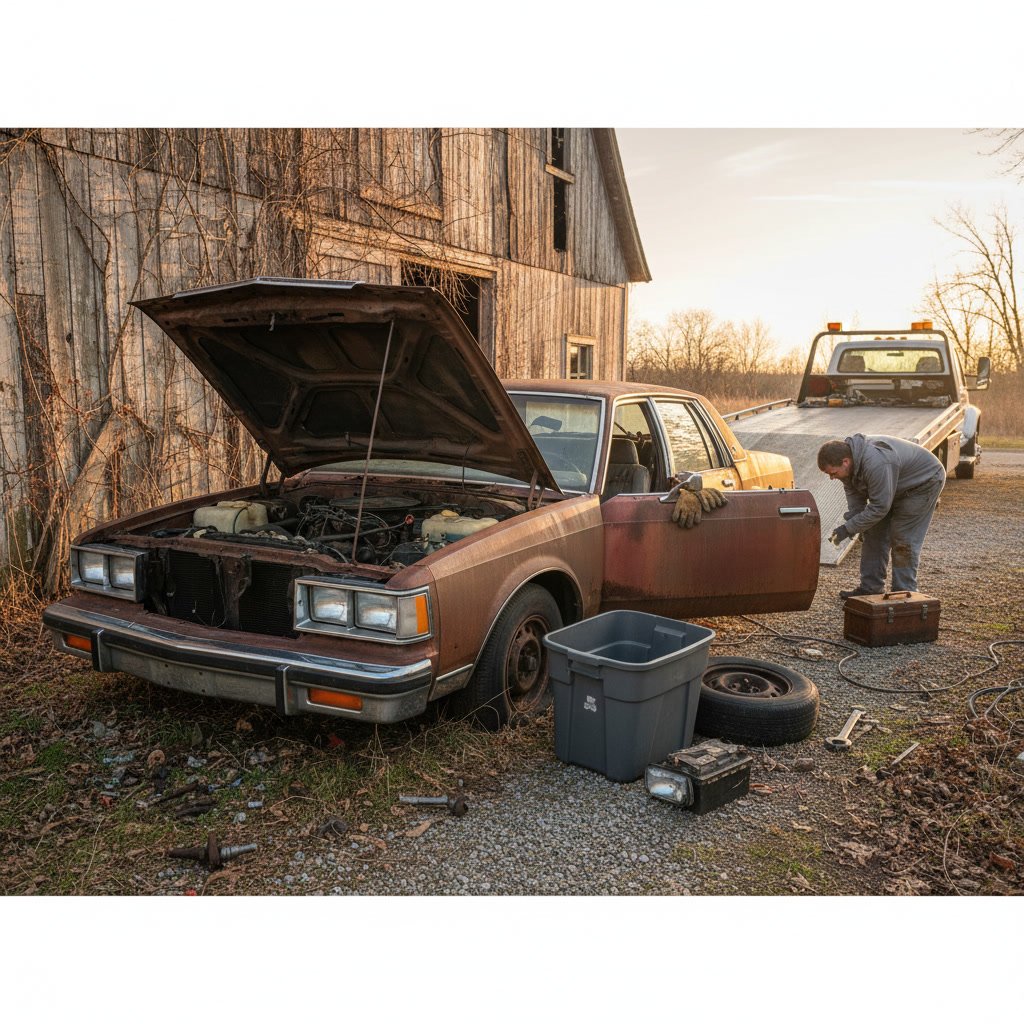
Engine problems, transmission failures, and major mechanical issues cannot be repaired on the highway. These situations require towing to a repair facility.
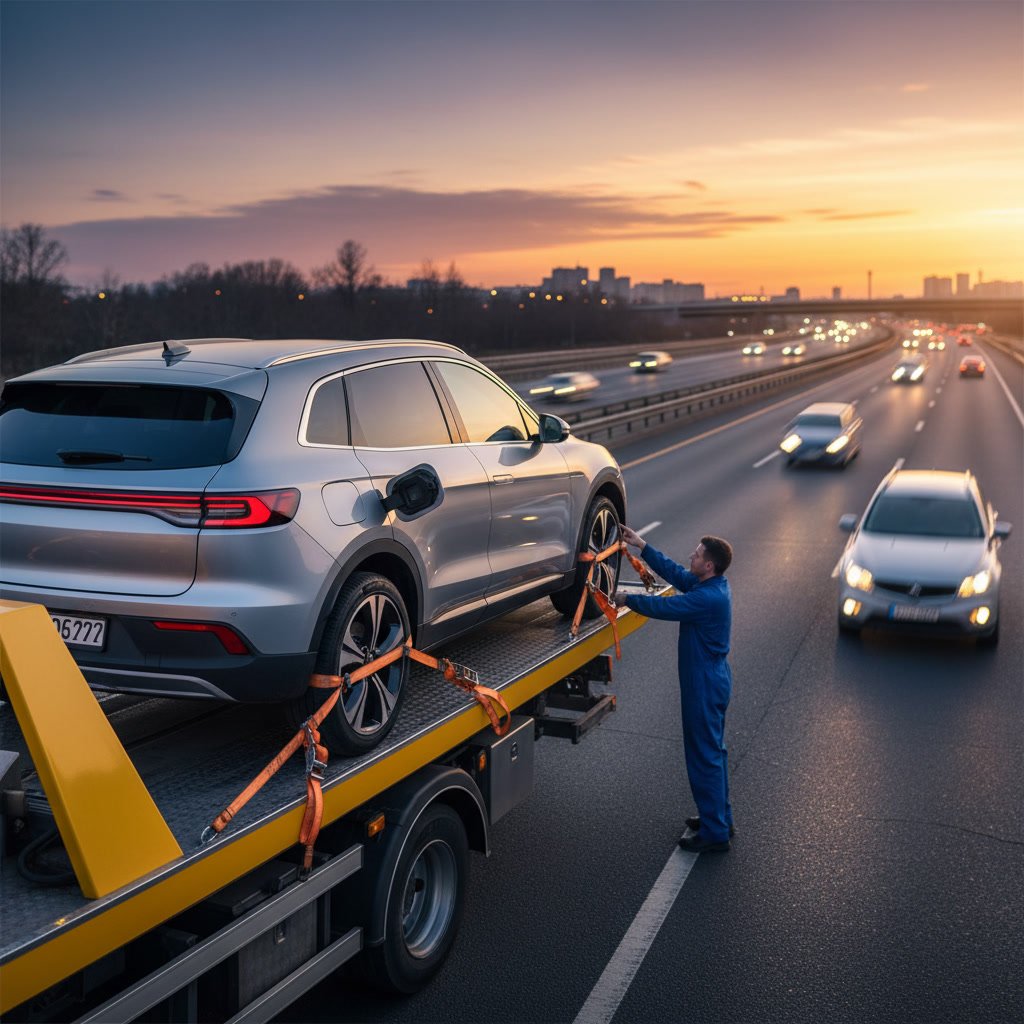
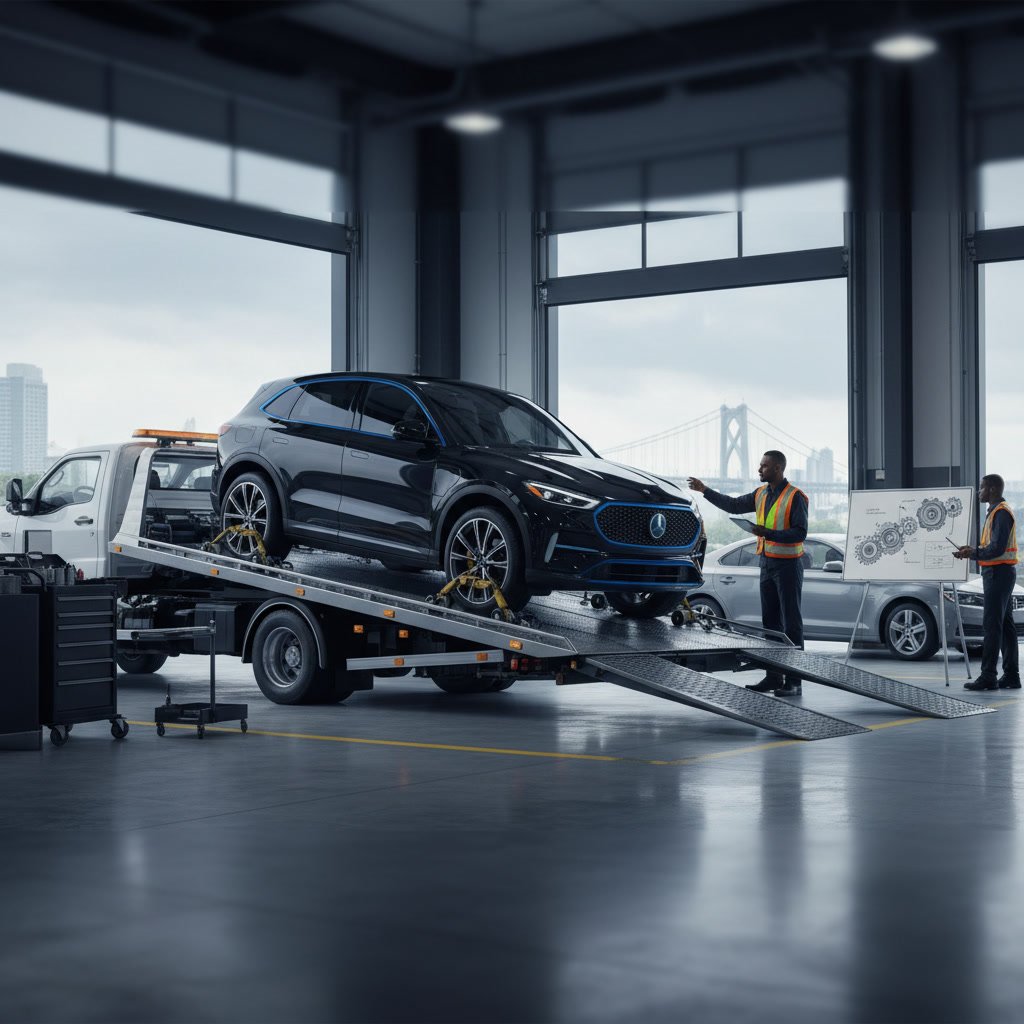
Flatbed towing offers the safest transport for vehicles with drive train damage. Wheel-lift towing works for cars with functional transmissions and steering.
Professional operators assess which method suits your vehicle and situation. If you have a preferred repair shop, provide the address to dispatch. Otherwise, the service can recommend local facilities.
Pro Tip: Keep a photo of your vehicle insurance card and emergency contact numbers saved on your phone. Screenshots remain accessible even without cell service in some areas.
Average Response Times for Roadside Assistance Edmonds
Response time depends on your exact location, time of day, and current call volume. Highway emergencies typically receive priority due to safety concerns.
Local services operating in Edmonds generally arrive within 20 to 40 minutes for I-5 and Highway 99 calls during normal conditions. Rush hour traffic between 7 to 9 AM and 4 to 7 PM can extend these times.
Companies with multiple trucks stationed throughout the service area respond faster than single-truck operations. Pinocchio Towing LLC maintains 24/7 availability with equipment ready for immediate dispatch.
Weather conditions affect response times as well. Heavy rain, fog, or ice slow all traffic, including emergency vehicles. Allowing extra time during adverse weather prevents frustration.
What Happens After You Call
Dispatch assigns the nearest available truck to your location. The driver contacts you directly, often within minutes, to confirm your position and problem.
This call serves multiple purposes. The driver verifies you are safe, confirms what equipment to bring, and provides an estimated arrival time. You can describe any changes to your situation during this conversation.
Most services text or call updates if delays occur. Knowing the driver is en route and when to expect arrival reduces stress considerably.
Safety Considerations While Waiting for Help
The period between calling for help and the truck arriving presents the greatest risk. How you position yourself matters enormously.
If you decided to stay in the vehicle, keep your seatbelt fastened. This provides protection if another vehicle strikes yours. Unbuckled occupants suffer more severe injuries in secondary collisions.
If you exited to a safe area, stay beyond barriers and off the shoulder. Never attempt to wave down passing vehicles or walk along the highway to find help.
Weather Protection and Comfort
Washington weather changes rapidly. Rain and wind make waiting outside uncomfortable and potentially dangerous.
If you must stay outside due to vehicle position, wear visible clothing. Bright colors or reflective materials help passing drivers see you. Standing near your vehicle’s front, away from traffic, offers some wind protection.
During winter months, hypothermia becomes a concern. If you remain in the vehicle, run the engine for short periods to maintain heat, but ensure the exhaust pipe is not blocked by snow or debris.
Communicating with Other Drivers
Other motorists may stop to offer assistance. While most people have good intentions, accepting rides from strangers carries risk.
Thank them for stopping but inform them you have already called professional help. If they offer to contact someone for you, provide a specific phone number rather than accepting a ride.
Law enforcement officers regularly patrol I-5 and Highway 99. If a Washington State Patrol trooper stops, they can verify your roadside assistance is en route and provide additional safety measures if needed.
Why Local Edmonds Services Respond Faster Than National Chains
National roadside assistance programs route calls through centralized call centers. These centers contact local contractors who may or may not be immediately available.
This multi-step process adds 10 to 30 minutes to response time. Each transfer between systems requires repeating information and waiting for confirmation.
Local companies like those serving the Seattle, WA 98178 area operate direct dispatch systems. Your call reaches someone who immediately assigns a truck without routing through intermediaries.
Local operators also know the roads intimately. They understand which I-5 exits provide fastest access and where Highway 99 congestion typically occurs. This knowledge translates to faster arrival times.
Equipment and Training Advantages
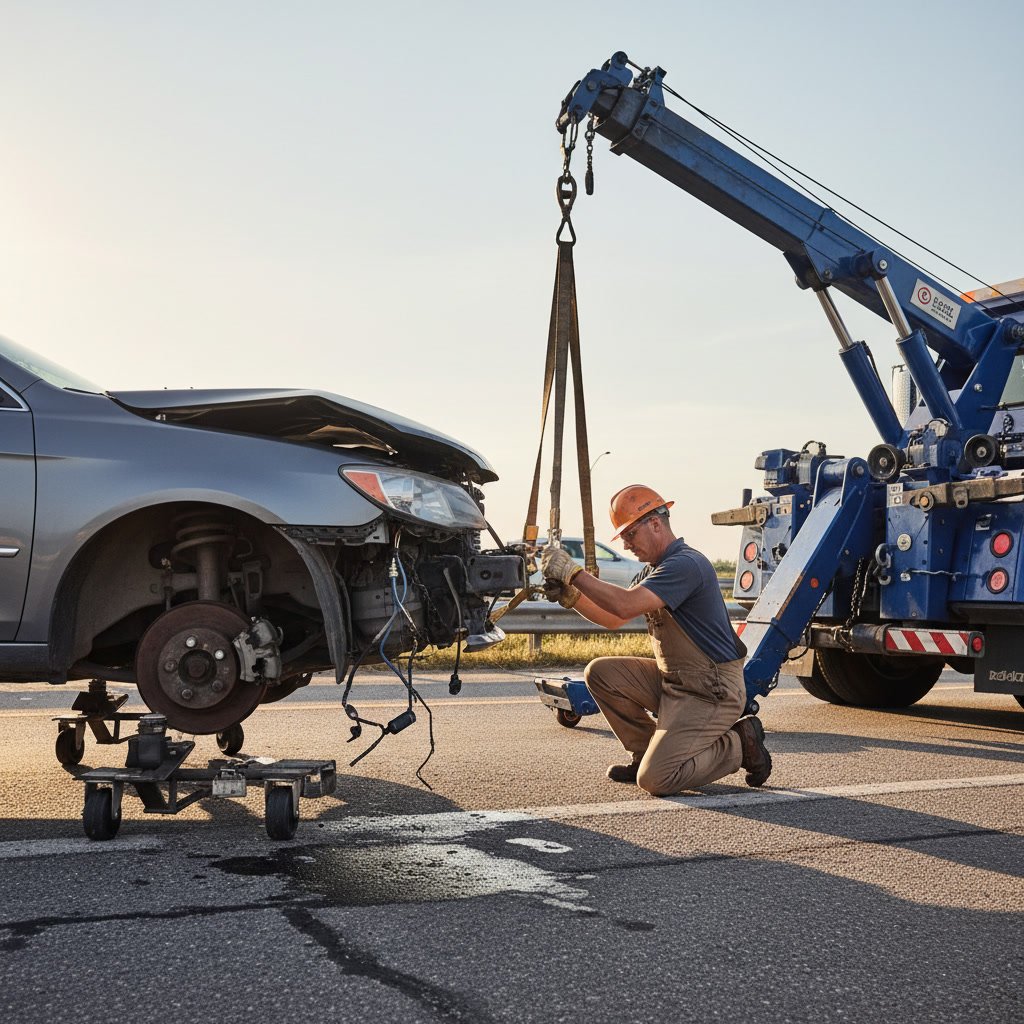
Established local services maintain specialized equipment for highway work. Heavy-duty trucks handle large vehicles and challenging recovery situations that lighter equipment cannot manage.
Technicians familiar with Edmonds highways know safe positioning for tow trucks, how to work efficiently in traffic, and local regulations governing highway operations.
This experience matters when seconds count. Experienced operators complete tasks faster and safer than technicians unfamiliar with high-traffic environments.
Preventing Future Highway Breakdowns
While some failures happen without warning, regular maintenance prevents most common highway breakdowns.
Check tire pressure monthly and before long trips. Underinflated tires overheat at highway speeds and blow out more frequently. Tire tread depth should exceed 4/32 inch for safe wet-weather driving.
Battery testing takes minutes at most auto parts stores. Batteries typically last three to five years. Testing annually after the three-year mark identifies weak batteries before they fail.
Keep fuel above a quarter tank. This habit prevents running out of gas and protects fuel pumps, which use gasoline for cooling. Running on fumes shortens pump life and increases failure risk.
Emergency Kit Essentials
Every vehicle should carry basic emergency supplies. A charged phone battery or portable charger ensures you can call for help. Keep this in the vehicle, not in your home.
Flashlight, reflective vest, and emergency triangles improve visibility and safety. These items cost less than $50 total but provide enormous value during breakdowns.
Water, basic first aid supplies, and a blanket add comfort during extended waits. Highway breakdowns often take longer to resolve than parking lot situations due to traffic and safety requirements.
Key Takeaway: The combination of knowing who to call, having critical information ready, and staying safe while waiting makes the difference between a minor inconvenience and a dangerous situation.
Frequently Asked Questions
How much does roadside assistance cost in Edmonds?
Basic services like jumpstarts or tire changes typically cost $75 to $125. Towing rates depend on distance, usually starting around $100 for the first five miles. Highway calls may include traffic hazard fees due to the increased risk and specialized equipment required.
Will my insurance cover roadside assistance?
Many auto insurance policies include roadside coverage as an optional add-on. Check your policy declarations page or call your agent to confirm. Some credit cards also provide roadside benefits for cardholders.
Can I wait in my car on the highway shoulder?
If you are completely off the travel lane on a wide shoulder with barriers protecting you from traffic, staying in the vehicle with your seatbelt fastened is often safest. If your vehicle is partially in traffic or on a narrow shoulder without barriers, exit to a protected area away from moving vehicles.
What if I break down during rush hour traffic?
Heavy traffic actually provides some protection because vehicles move slower, giving drivers more reaction time. However, response times increase during congestion. Call immediately and communicate any changes in your situation to dispatch. If traffic stops completely around you, remain in your vehicle with hazards on.
Do roadside assistance services work 24 hours in Edmonds?
Reputable local services maintain 24/7 availability because breakdowns do not follow business hours. Nighttime and early morning calls receive the same priority response as daytime emergencies, though some areas may have slightly longer response times during overnight hours due to reduced staffing.
Getting Help When You Need It Most
Highway breakdowns on I-5 or Highway 99 in Edmonds demand quick action and clear thinking. Knowing how to get fast roadside assistance in Edmonds, staying safe while stranded, and understanding what to expect from professional services turns a dangerous situation into a manageable inconvenience.
Local experience, direct dispatch, and 24-hour availability make the difference between waiting for hours and getting back on the road quickly. Pinocchio Towing LLC provides professional roadside assistance throughout Edmonds and surrounding areas with the equipment and expertise highway emergencies require.
If you find yourself stranded on I-5 or Highway 99, contact our team at +1 206-202-0009 for immediate assistance. Our drivers know these roads and understand the urgency of getting you to safety.